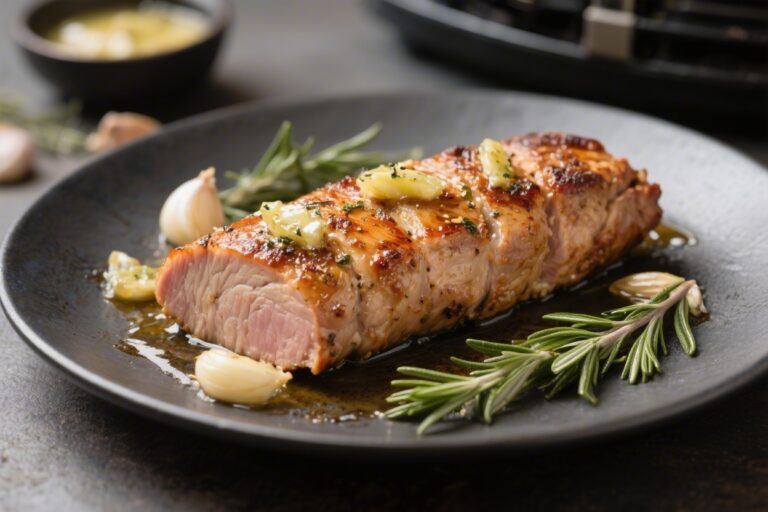
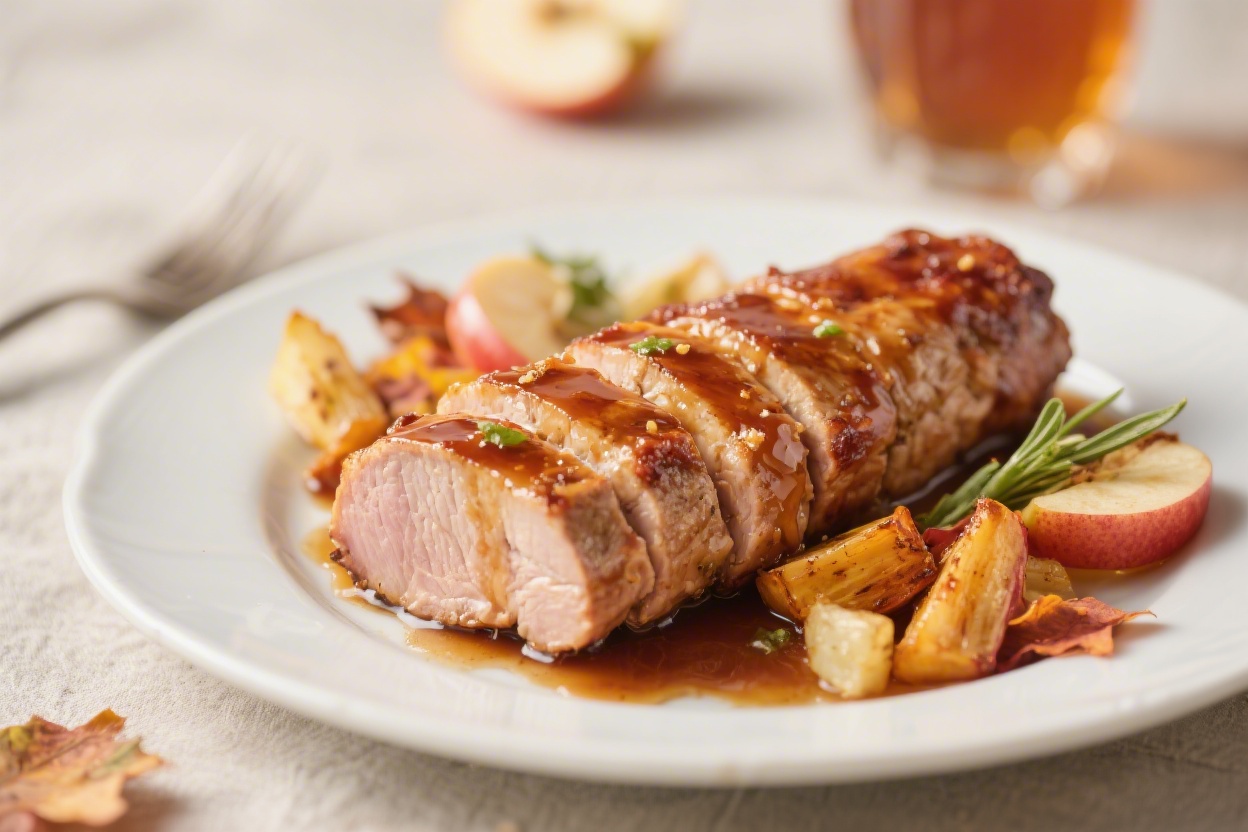
Pork tenderloin is weeknight-friendly, but this version feels special enough for company. It brings together the crisp tang of apple cider with a quick grill or roast, so you get fall flavors without giving up summer’s char and brightness. The glaze is sweet, tart, and a little sticky, and it hugs the juicy slices of pork.
Jump to RecipeAdd a squeeze of lemon and a handful of herbs, and you’ve got a dish that’s equal parts cozy and fresh. It’s easy, fast, and wildly satisfying.
Why This Recipe Works
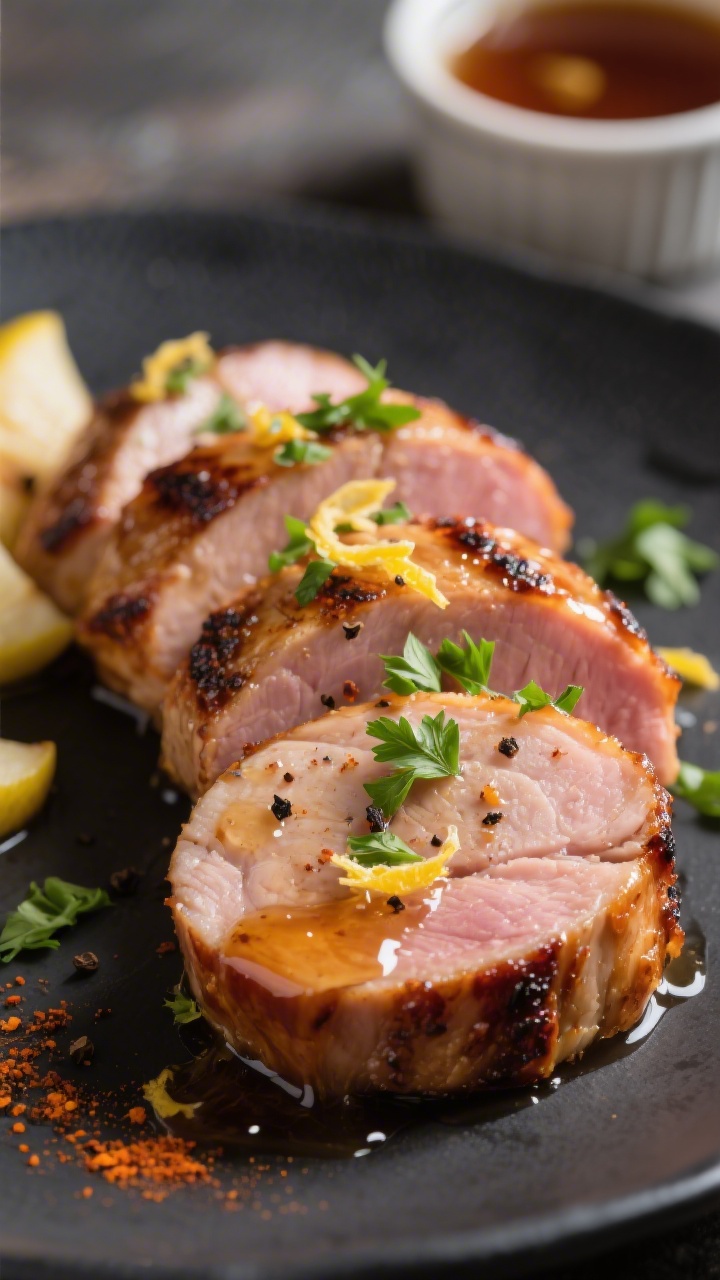
This dish pairs lean, tender pork with a glaze that balances sweet apple cider, savory mustard, and a touch of heat. Quick searing locks in moisture, while finishing with the glaze creates a glossy coat and concentrated flavor.
The cider reduces into a syrupy sauce that clings to the meat without turning cloying. Fresh herbs and lemon zest cut through the richness so every bite tastes bright and clean.
Jump to RecipeIngredients
- 2 pork tenderloins (about 1 to 1.25 lbs each), silver skin trimmed
- 1 cup apple cider (not apple cider vinegar)
- 2 tablespoons apple cider vinegar
- 2 tablespoons Dijon mustard
- 2 tablespoons maple syrup (or honey)
- 1 tablespoon soy sauce (or tamari)
- 1 teaspoon smoked paprika
- 1/2 teaspoon ground cumin
- 1/4 teaspoon red pepper flakes (optional, for heat)
- 2 cloves garlic, minced
- 1 tablespoon olive oil (plus more for brushing)
- 1 teaspoon kosher salt, plus more to taste
- 1/2 teaspoon black pepper
- 1 lemon, zested and cut into wedges for serving
- 2 tablespoons fresh herbs (parsley, chives, or thyme), chopped
How to Make It
- Pat dry and season. Blot the pork with paper towels. Rub with 1 tablespoon olive oil, then season all over with 1 teaspoon kosher salt, 1/2 teaspoon black pepper, smoked paprika, and cumin.
- Make the glaze. In a small saucepan, combine apple cider, cider vinegar, Dijon, maple syrup, soy sauce, garlic, and red pepper flakes.Bring to a simmer over medium heat. Cook 10–12 minutes, stirring occasionally, until reduced by roughly half and slightly syrupy.
- Choose your cooking method. You can grill (medium-high, about 450°F) or roast (425°F). For either, preheat well so you get good browning.
- Sear for color.
- Grill: Sear the tenderloins over direct heat, 2–3 minutes per side, until nicely marked.
- Stovetop + Oven: Heat a large oven-safe skillet over medium-high.Add a thin film of oil. Sear all sides, 6–8 minutes total.
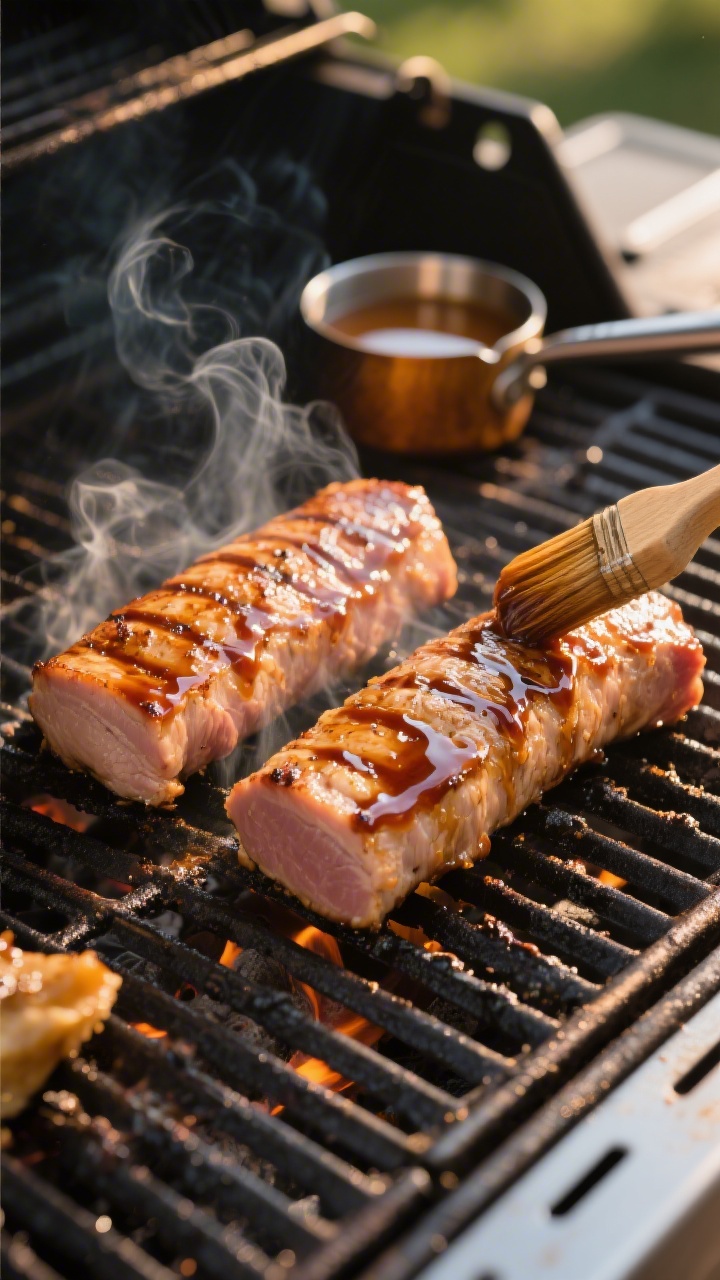
- Glaze and finish. Brush the pork generously with the cider glaze.
- Grill: Move to indirect heat, cover, and cook 10–14 minutes, brushing with more glaze once or twice.
- Oven: Transfer the skillet to the oven and roast 10–14 minutes, glazing once halfway through.
Cook until the thickest part reaches 140–145°F.
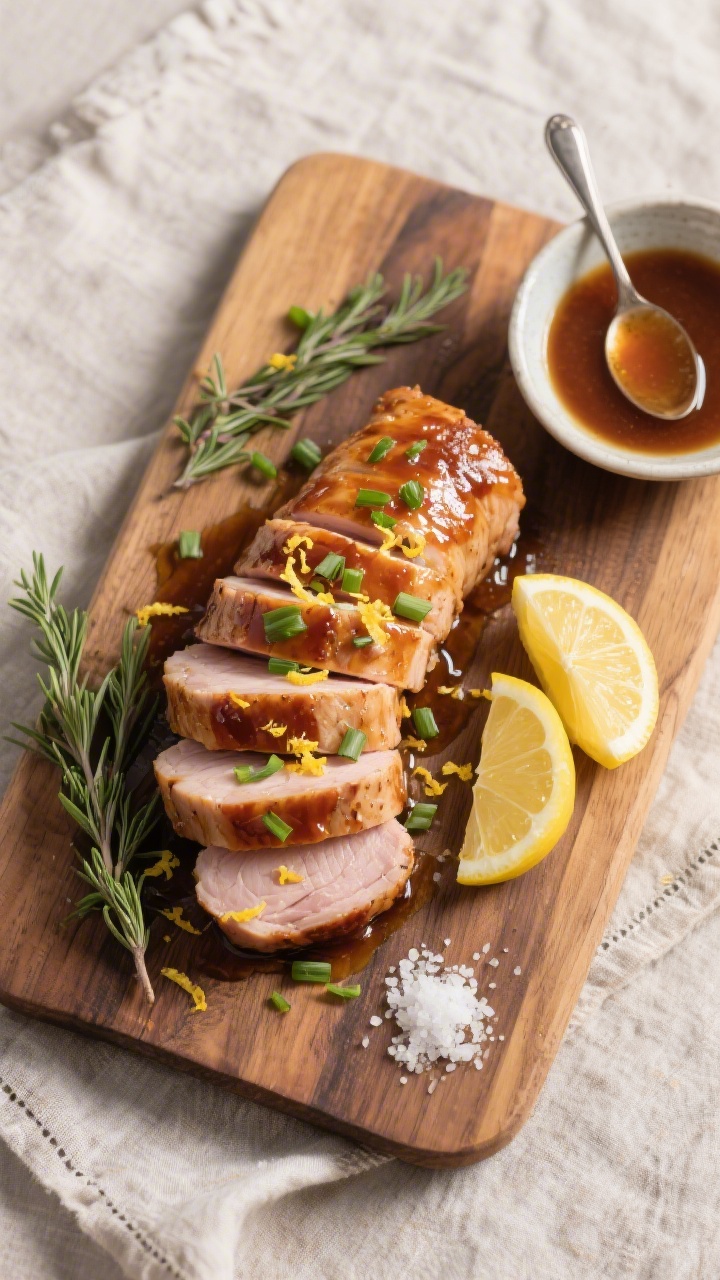
- Rest and brighten. Transfer to a cutting board, tent loosely with foil, and rest 5–10 minutes. Brush with a last swipe of glaze, scatter lemon zest over top, and sprinkle with fresh herbs.
- Slice and serve. Cut into 1/2-inch medallions.Serve with any remaining glaze and lemon wedges for a final squeeze.
Apple Cider Glazed Pork Tenderloin
Sweet, tart, and a little sticky — fall flavours with summer's char and brightness
Ingredients — Pork
- 2 pork tenderloins (about 1–1.25 lbs each), silver skin trimmed
- 1 tbsp olive oil (plus more for brushing)
- 1 tsp kosher salt
- ½ tsp black pepper
- 1 tsp smoked paprika
- ½ tsp ground cumin
Ingredients — Apple Cider Glaze
- 1 cup apple cider (not apple cider vinegar)
- 2 tbsp apple cider vinegar
- 2 tbsp Dijon mustard
- 2 tbsp maple syrup (or honey)
- 1 tbsp soy sauce or tamari (tamari for gluten-free)
- 2 cloves garlic, minced
- ¼ tsp red pepper flakes (optional, for heat)
For Finishing
- 1 lemon, zested (plus wedges for serving)
- 2 tbsp fresh herbs (parsley, chives, or thyme), chopped
Instructions
- Season the PorkPat the tenderloins dry with paper towels. Rub with 1 tablespoon olive oil, then season all over with kosher salt, black pepper, smoked paprika, and cumin.Patting the pork completely dry is essential — surface moisture blocks browning and flavour development.
- Make the GlazeCombine apple cider, cider vinegar, Dijon, maple syrup, soy sauce, garlic, and red pepper flakes in a small saucepan. Bring to a simmer over medium heat. Cook 10–12 minutes, stirring occasionally, until reduced by roughly half and slightly syrupy.Aim for syrupy, not sticky taffy. If it over-reduces, thin it with a splash of cider.
- Sear for ColourPreheat grill to medium-high (450°F) or oven to 425°F. For grilling, sear tenderloins over direct heat for 2–3 minutes per side until nicely marked. For stovetop, heat an oven-safe skillet over medium-high with a thin film of oil, searing all sides for 6–8 minutes total.
- Glaze & Finish CookingBrush the pork generously with the cider glaze. For grilling, move to indirect heat, cover, and cook 10–14 minutes, brushing with more glaze once or twice. For oven, transfer the skillet to the oven and roast 10–14 minutes, glazing once halfway through. Cook until the thickest part reaches 140–145°F.Layer flavour by brushing glaze during the last several minutes of cooking, not just at the end. Pull at 140–145°F — carryover heat will finish the job.
- Rest, Brighten & ServeTransfer to a cutting board, tent loosely with foil, and rest 5–10 minutes. Brush with a final swipe of glaze, scatter lemon zest over the top, and sprinkle with fresh herbs. Slice into half-inch medallions and serve with remaining glaze and lemon wedges.Resting is non-negotiable — it lets juices redistribute so every slice stays moist and tender.
Tips for the Best Results
- Pat the pork completely dry before seasoning — moisture blocks browning.
- Make the glaze ahead (up to 3 days) and warm gently before brushing.
- Pull the pork at 140–145°F and let carryover heat finish cooking — it dries out fast past that point.
- A meat thermometer is the best way to avoid overcooking lean tenderloin.
- Brush glaze in thin layers during cooking, not just at the end, for deeper flavour.
- Rest for 5–10 minutes before slicing — this is the difference between juicy and dry.
- Apple juice works as a substitute, but add an extra teaspoon of vinegar and reduce the maple syrup slightly to compensate.
How to Store
- Refrigerate: Cool completely, then store sliced pork with leftover glaze in an airtight container for up to 3 days.
- Reheat: Warm gently in a skillet over low heat with a splash of water or cider until just heated through. Avoid high heat to prevent drying out.
- Freeze: Freeze slices and sauce separately for up to 2 months. Thaw overnight in the fridge, then reheat gently.
Why This is Good for You
Pork tenderloin is a lean protein, so you get satisfying flavor without a lot of saturated fat.
The apple cider glaze uses natural sweetness and modest maple syrup instead of heavy sugar. Fresh herbs and lemon add vitamin C and phytochemicals that support overall wellness. Pair it with roasted squash and a crisp salad for a balanced plate.
Jump to RecipeCommon Mistakes to Avoid
- Skipping the pat-dry step: Surface moisture blocks browning and flavor.Dry the pork first.
- Over-reducing the glaze: If it gets too thick, it can burn. Aim for syrupy, not sticky taffy. Thin with a splash of cider if needed.
- Overcooking: Pork tenderloin dries out fast.Pull it at 140–145°F and let carryover heat finish the job.
- Not resting: Resting lets juices redistribute so slices stay moist.
- Only glazing at the end: Layer flavor by brushing during the last several minutes, not just at serving.
Recipe Variations
- Spiced Autumn: Add a pinch of cinnamon and allspice to the glaze. Serve with roasted apples and sweet potatoes.
- Smoky Peach Summer: Swap half the cider for peach nectar. Grill over charcoal for a deeper smoke note.
- Herb-Forward: Stir chopped thyme and rosemary into the glaze right at the end to keep the flavors fresh.
- Chili-Maple Heat: Replace red pepper flakes with a teaspoon of adobo sauce from chipotles.The smoky heat loves the cider.
- Gluten-Free: Use tamari or coconut aminos instead of soy sauce and check labels on mustard and vinegar.
- Sheet Pan Dinner: Roast the pork on a sheet pan with halved Brussels sprouts and sliced red onion. Toss the veg with olive oil, salt, and pepper; they’ll caramelize under drips of glaze.
FAQ
Can I use pork loin instead of tenderloin?
Yes, but adjust the timing. Pork loin is thicker and fattier, so it needs longer, slower cooking.
Roast at 350°F until it reaches 145°F, brushing with glaze during the last 15–20 minutes.
Jump to RecipeWhat if I only have apple juice?
Apple juice works, but it’s usually sweeter and less tangy than cider. Add an extra teaspoon of cider vinegar and reduce the maple syrup by 1 teaspoon to keep the glaze balanced.
Do I need a meat thermometer?
It’s the best way to avoid overcooking. Pork goes from juicy to dry very quickly, and a thermometer ensures you hit that perfect 140–145°F target.
Can I make the glaze ahead?
Absolutely.
Simmer the glaze up to 3 days ahead and refrigerate. Warm it gently before brushing so it spreads evenly.
How do I keep the glaze from burning on the grill?
Finish over indirect heat and glaze in thin layers. If flare-ups happen, move the pork to a cooler zone and close the lid.
Keep a small safe zone on the grill at all times.
What sides go well with this?
Think contrast: a crisp salad with fennel or arugula, grilled corn, roasted squash, brown rice, or creamy mashed potatoes. Tart slaw also works beautifully with the sweet glaze.
Can I cook it entirely on the stovetop?
Yes. Sear on all sides, then lower the heat to medium-low, cover, and cook, turning and glazing occasionally, until it reaches 140–145°F.
Keep the heat gentle to prevent scorching.
Is this recipe kid-friendly?
Generally, yes. The glaze is sweet and tangy with only mild heat. Skip the red pepper flakes if you prefer it completely mild.
Jump to RecipeIn Conclusion
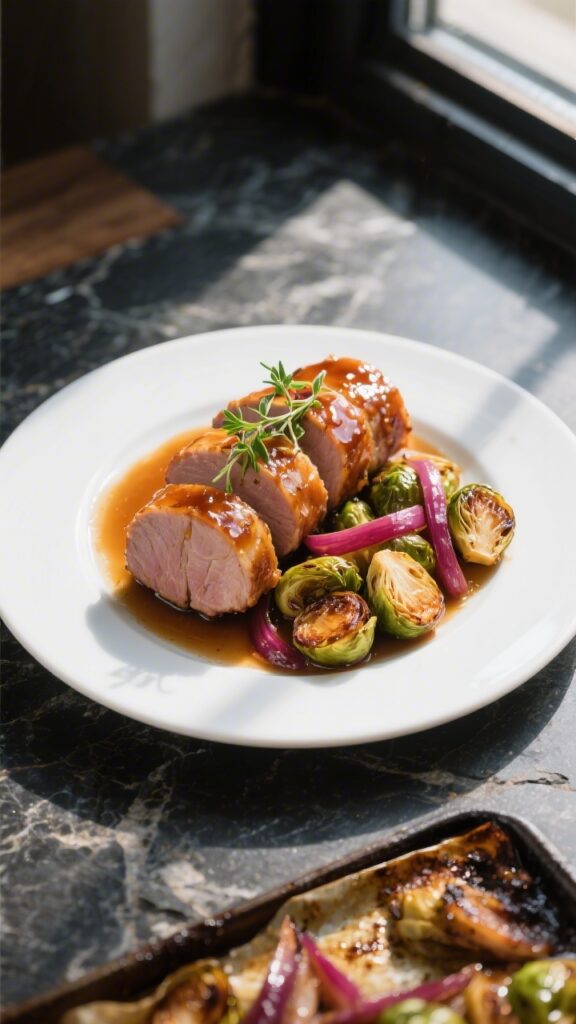
This Apple Cider Glazed Pork Tenderloin bridges seasons in the best way.
You get the warmth of fall spices and cider with the upbeat feel of a quick grill or roast. It’s fast enough for a Tuesday, yet polished enough for guests. Keep a little extra glaze on the side, add a squeeze of lemon, and enjoy that perfect sweet-savory balance in every bite.
Jump to Recipe