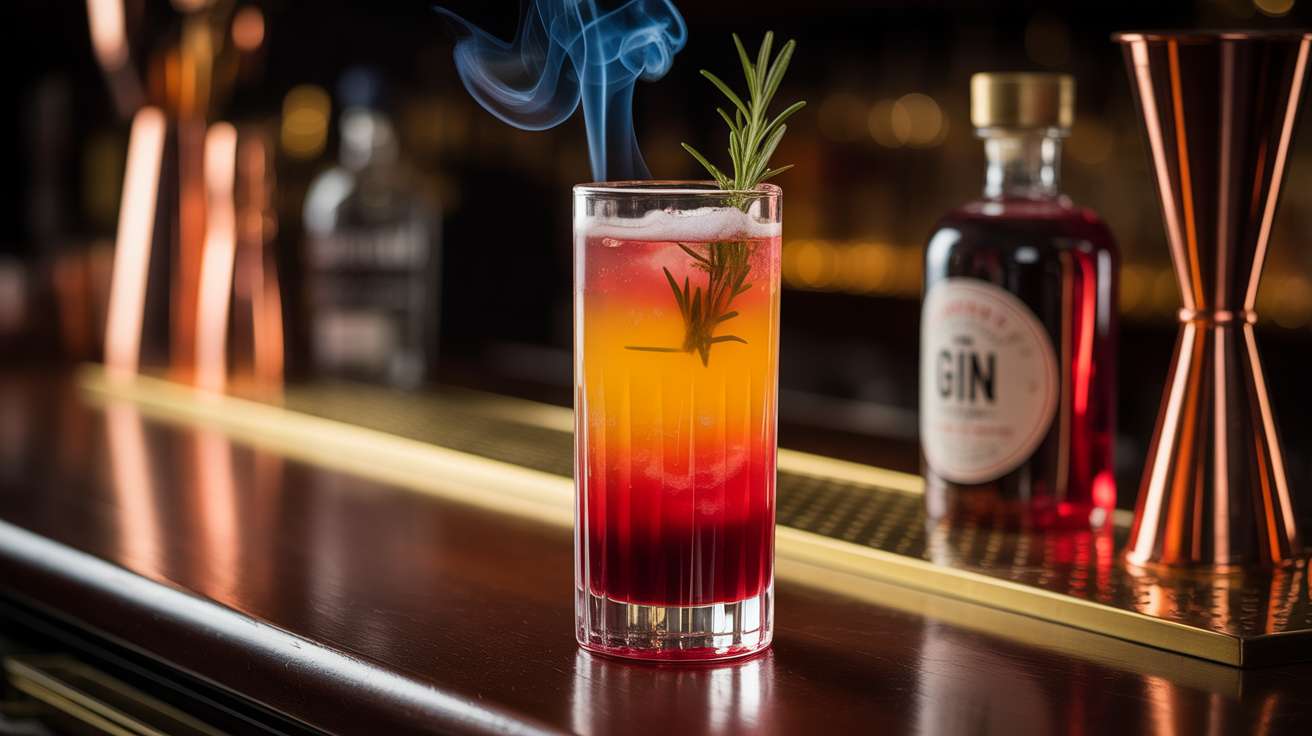
A blood orange and smoked rosemary gin fizz is the kind of cocktail that stops the room. That deep sunset colour, the gentle fizz climbing through the glass, and a sprig of rosemary still trailing wisps of fragrant smoke — it looks like something from a cocktail bar you’d need a reservation for. But it takes ten minutes to make at home, and the flavour is just as dramatic as the presentation: bright citrus, floral gin, a touch of honey sweetness, and a warm, earthy smokiness drifting off the top.
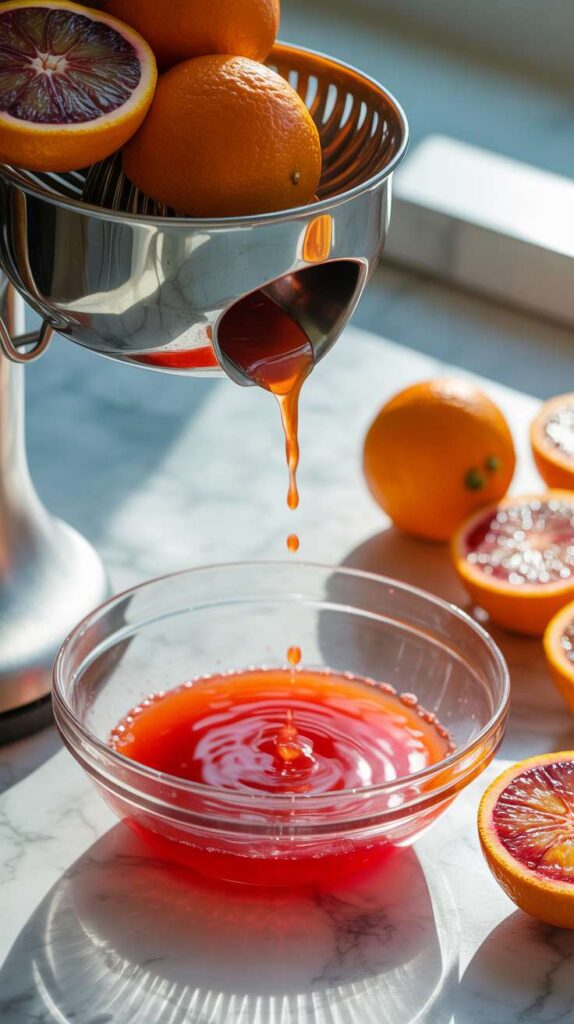
This isn’t a complicated drink. It’s a well-built gin fizz with two clever upgrades — blood orange for that unmistakable colour and charred rosemary for a garnish that engages the nose before the glass even reaches your lips. Simple ingredients, smart technique, serious impact.
Jump to RecipeWhy This Recipe Works
This cocktail is built on contrast. Cold, citrusy fizz against warm, earthy charred rosemary creates a sensory experience beyond just taste. Blood orange juice gives the drink its sunset gradient — deeper and more complex than regular orange, with a berry-like sweetness that pairs naturally with botanical gin. Honey syrup dissolves cleanly where raw honey would clump, adding rounded sweetness that lime juice sharpens into balance. Hard shaking aerates and chills the mixture into a slight froth. The smoked rosemary is the finishing move — charring releases aromatic oils that perfume every sip.
In short, colour from the blood orange, balance from the citrus and honey, and drama from the smoke make this a cocktail that tastes as good as it looks.
What You’ll Need
2 ounces premium gin (botanical-heavy works best)
1.5 ounces fresh blood orange juice, strained
0.5 ounces honey syrup (equal parts honey and warm water, cooled)
0.5 ounces fresh lime juice
Chilled soda water to top
1 large sprig fresh rosemary
Ice: large cubes for the glass, regular ice for the shaker
Equipment: cocktail shaker, fine-mesh strainer, highball or large gin glass, kitchen torch or lighter
Step-by-Step Instructions
Jump to RecipeMake the honey syrup. Mix equal parts honey and warm water until fully dissolved. Let it cool completely before using. This step ensures the honey integrates smoothly into the cold drink instead of clumping into sticky lumps at the bottom of the shaker.
Juice and strain. Juice a fresh blood orange and pass it through a fine-mesh sieve. You want a clear, bright liquid with no pulp — clean juice keeps the drink looking sharp and professional in the glass.
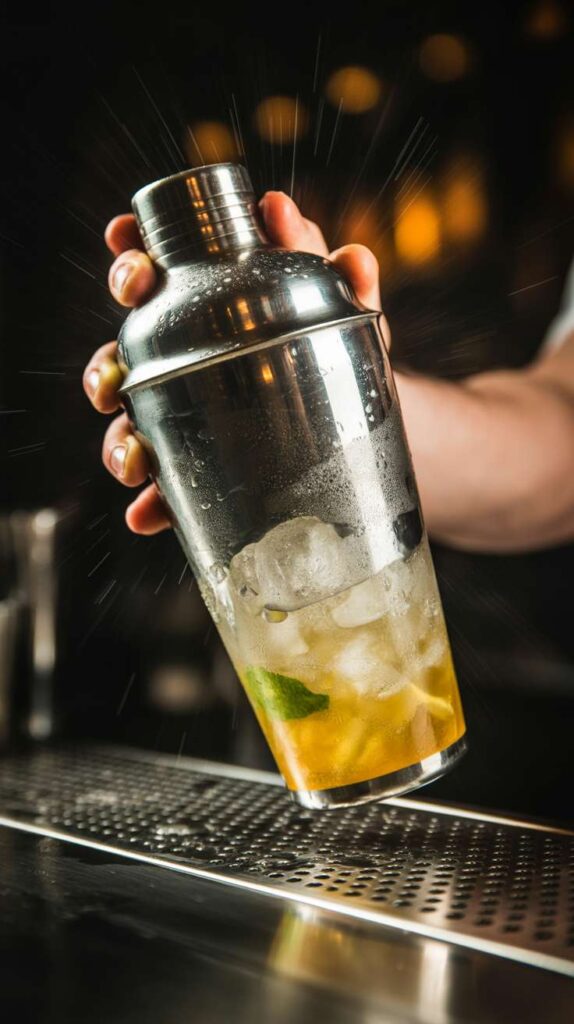
Shake hard. Combine the gin, blood orange juice, lime juice, and honey syrup in a cocktail shaker filled with ice. Shake vigorously for at least 15 seconds until the shaker feels painfully cold. This chills, dilutes slightly, and aerates into a light froth.
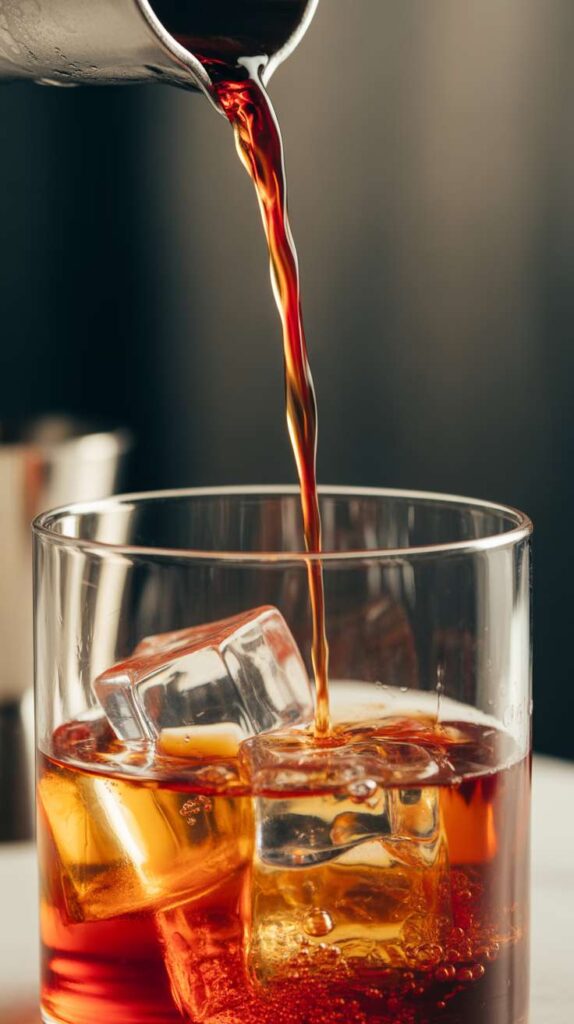
Build the glass. Fill a highball glass or a large wine-style gin glass with fresh, clear ice cubes. Double-strain the shaken mixture into the glass to catch any ice shards or pulp that slipped through.
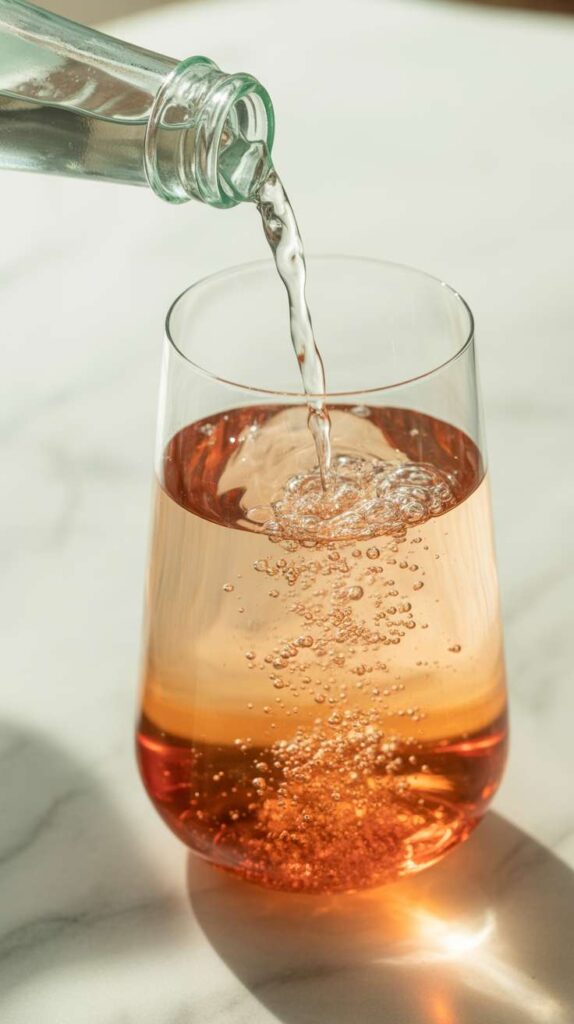
Add the fizz. Slowly pour chilled soda water over the top. Pour gently down the side of the glass — rushing it breaks the carbonation. You’ll see a beautiful ombré effect as the dense juice sits at the bottom and lightens upward through the soda.
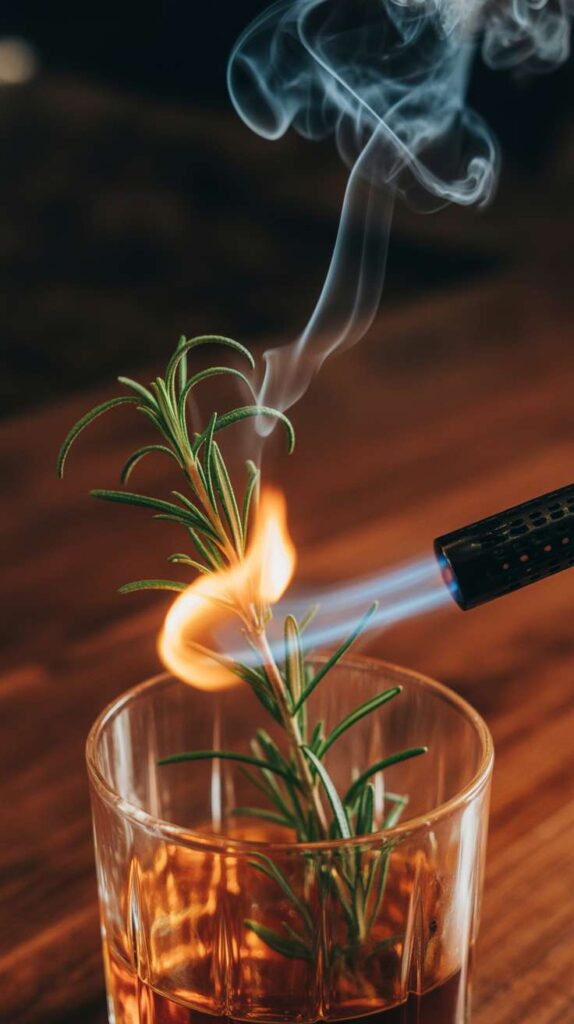
Smoke the rosemary. Use a kitchen torch or lighter to char just the tips of a fresh rosemary sprig until they glow and release a thin stream of white smoke. The scent of charred rosemary transforms the drink from a cocktail into an experience.
Garnish and serve. Drop the smoking rosemary into the glass and serve immediately. The smoke drifts across the surface and the aroma meets the citrus on every sip.
Blood Orange & Smoked Rosemary Gin Fizz
Bright citrus fizz with smoky rosemary and botanical gin
For the Cocktail
- 2 oz gin
- 1.5 oz blood orange juice
- 0.5 oz honey syrup
- 0.5 oz lime juice
- Soda water, to top
- Ice
For Garnish
- 1 sprig fresh rosemary
Instructions
- Make Honey SyrupMix equal parts honey and warm water until dissolved and let cool.Ensures smooth mixing in the drink.
- Prepare JuiceJuice and strain blood orange to remove pulp.Creates a clean, smooth cocktail.
- ShakeShake gin, blood orange juice, lime juice, and honey syrup with ice for 15 seconds.Shake until the shaker is very cold.
- StrainStrain into a glass filled with fresh ice.Double strain for a refined texture.
- Add SodaTop gently with soda water.Pour slowly to preserve carbonation.
- Smoke RosemaryLightly torch rosemary until it releases smoke.Do not burn fully — just char the tips.
- ServePlace rosemary in the drink and serve immediately.Enjoy while the aroma is fresh.
Tips for the Best Results
- Always make honey syrup instead of using raw honey.
- Strain juice for best presentation.
- Shake properly for correct dilution and chill.
- Use fresh soda water for maximum fizz.
- Do not over-burn rosemary.
- Serve immediately for best aroma.
- Use quality gin for better flavor.
- Adjust sweetness to taste.
How to Store
Cocktails are best made fresh — the fizz, froth, and smoke are all at their peak the moment the drink is built. If hosting, make the honey syrup and juice the blood oranges up to a day ahead and refrigerate. Shaking, building, and smoking should happen right before serving. Leftover honey syrup keeps refrigerated for up to two weeks.
Health Benefits
Vitamin C from blood orange: Blood oranges are rich in vitamin C and anthocyanins — the pigments that give them their deep red colour — both of which act as antioxidants supporting immune health.
Natural sweetener: Honey syrup replaces refined sugar with a sweetener that contains trace minerals and enzymes, offering a marginally more nutritious option.
Lime’s digestive support: Fresh lime juice provides citric acid, which can aid digestion and adds vitamin C alongside the blood orange.
Rosemary aromatherapy: The scent of rosemary has been linked in studies to improved alertness, memory, and mood — so the garnish does more than just look impressive.
Mindful portions: A single, well-crafted cocktail encourages savouring over speed, supporting a more moderate approach to drinking.
Pitfalls to Watch Out For
Clumpy honey: Raw honey won’t dissolve in cold liquid. Always pre-make the honey syrup with warm water and let it cool. Skipping this step leaves sticky lumps at the bottom of the glass.
Pulpy juice: Unstrained blood orange juice clouds the drink and ruins the clean ombré effect. Strain through a fine sieve for that polished, bar-quality look.
Under-shaking: Fifteen seconds feels long, but anything less means the drink isn’t cold enough and the froth won’t develop. Shake until the metal is painfully cold.
Pouring soda too fast: Aggressive pouring kills the carbonation and destroys the layered gradient. Tilt the glass slightly and pour the soda slowly down the inside edge.
Burning the rosemary too much: You want a light char on the tips, not a blackened branch. A quick touch of flame producing white smoke is perfect — if it catches fire, blow it out immediately.
Stale soda water: Flat or warm soda makes the fizz limp. Use a freshly opened bottle, well chilled, for the brightest, crispest bubbles.
Alternatives
Non-alcoholic version: Replace the gin with a non-alcoholic botanical spirit or simply use extra soda water. The blood orange, honey, and lime still create a stunning drink on their own.
Vodka swap: Vodka produces a cleaner, more neutral base if you find gin’s botanicals too assertive. The blood orange becomes the dominant flavour.
Different citrus: Regular navel orange or grapefruit work as substitutes. You’ll lose the signature colour but the flavour balance holds. Ruby red grapefruit gives the closest pink-hued effect.
Herb variations: Thyme or sage can replace the rosemary for a different aromatic profile. Both char beautifully and release fragrant smoke.
Sparkling wine fizz: Replace the soda water with prosecco or cava for a celebratory twist that adds subtle sweetness and effervescence.
Batch option: Multiply the gin, juice, lime, and honey syrup and mix in a pitcher. Refrigerate until serving, then pour over ice and top individually with soda and a smoked rosemary sprig.
FAQ
What Gin Works Best?
A botanical-heavy London dry gin with juniper, citrus peel, and floral notes pairs best. Hendrick’s, Monkey 47, or any gin with a complex botanical profile works beautifully.
Can I Use Store-Bought Blood Orange Juice?
Fresh is always better for colour and brightness. Store-bought tends to be pasteurised and duller. If using it, choose 100% juice with no added sugar and strain before using.
What If I Don’t Have a Kitchen Torch?
A standard lighter works. Hold the rosemary tips over the flame for a few seconds until they begin to smoke. The effect is slightly less dramatic but the aroma is the same.
Can I Make the Honey Syrup Ahead?
Yes, and it’s recommended. Make a batch, store in a sealed jar, and refrigerate for up to two weeks. Having it ready makes cocktail assembly much faster.
Is the Smoke Just for Show?
No. Charring the rosemary releases essential oils that perfume the drink and change how it smells and tastes with every sip. It’s functional aromatics as much as it is visual drama.
Can I Batch These for a Party?
Mix the base — gin, juice, lime, and honey syrup — in a pitcher up to a few hours ahead. Shake individual portions with ice when guests arrive, pour over cubes, top with soda, and smoke the rosemary to order.
Jump to RecipeWrapping Up
A blood orange and smoked rosemary gin fizz is refreshing, beautiful, and surprisingly simple to pull off at home. Fresh juice for colour, a good shake for chill, slow soda for fizz, and one dramatic touch of flame for that unforgettable finish. Make the honey syrup ahead, keep everything cold, and light the rosemary just as you hand over the glass. It’s the kind of drink that turns an ordinary evening into an occasion.