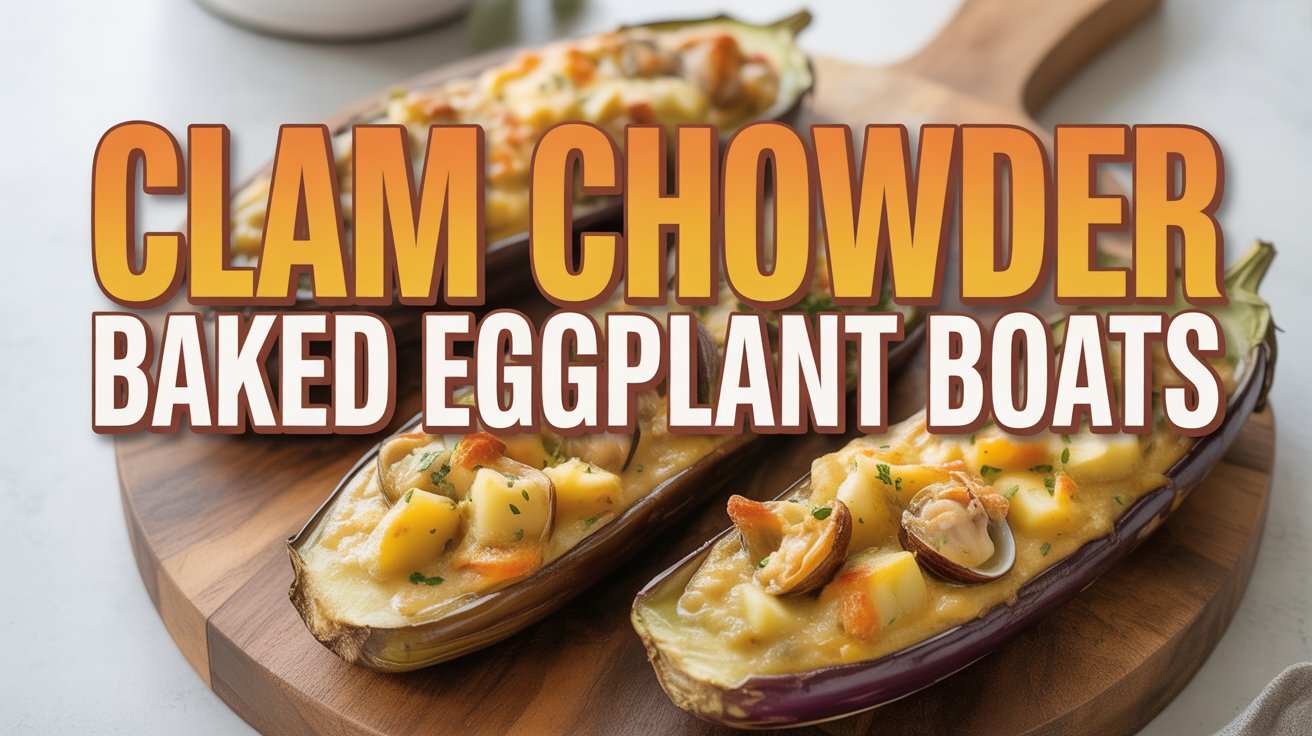
Imagine pouring tender, oven-roasted eggplant over the heart-warming richness of a traditional New England clam chowder—that creamy, briny, deeply savory depth. This dish delivers precisely that flavor experience, and it is truly remarkable.
After baking, the eggplant takes on a texture that is almost buttery and has a subtle earthiness that is slightly smoky, making it the ideal medium for the strong, oceanic flavors of the clam chowder. Every bite becomes a multi-layered experience as the chowder seeps into the tender flesh of the eggplant: first, the mild sweetness of the vegetable, then the salty kiss of clam, and finally, a wave of richness that lingers long after you swallow and is enhanced by cream and potatoes.
It’s a surprisingly harmonious combination. The natural umami of both clams and eggplant amplifies each other, creating a savory intensity that feels indulgent without being heavy. The creaminess is broken up by a hint of thyme and cracked black pepper, which adds just enough edge to make every forkful intriguing.
This dish promises to be one of the most fulfilling, flavorful bites you will encounter throughout the season, regardless of whether you are a devoted seafood lover or a vegetable enthusiast searching for something more daring.
Why Eggplant Boats Are the Ultimate Comfort Food Vessel
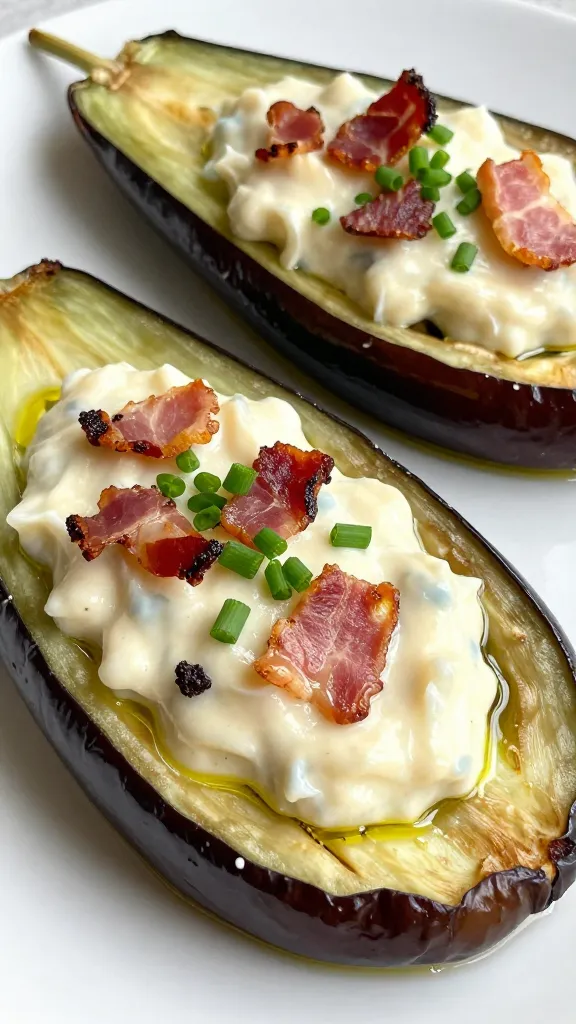
Eggplant isn’t just a pretty purple veggie—it’s a flavor sponge with a meaty texture that holds up to bold fillings. When you roast it, the flesh turns buttery soft, creating the perfect “boat” for rich, creamy clam chowder. Plus, it’s gluten-free and low-carb friendly (though let’s be real, we’re here for the taste, not the diet points).
The Science Behind the Perfect Eggplant Boat
Salting your eggplant before baking isn’t just an old wives’ tale. It draws out bitterness and helps the flesh hold its shape. Pro tip: Don’t skip this step unless you enjoy soggy, bitter disappointment.
How to Make Clam Chowder That’s Actually Exciting
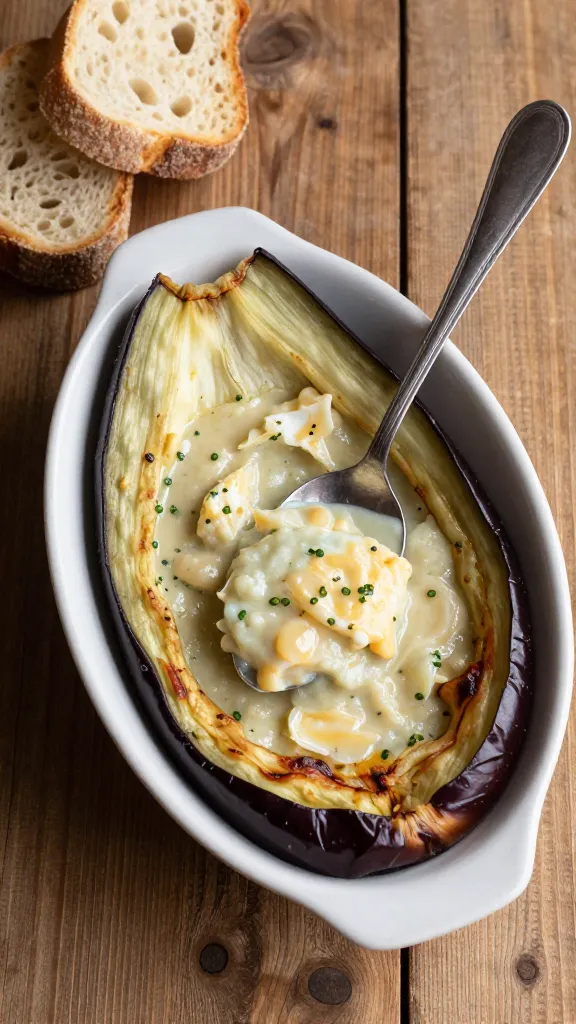
Most clam chowders are either too gloppy or too bland. Not this one. We’re kicking it up with:
- Smoky bacon (because everything’s better with bacon)
- Fresh thyme for earthy depth
- A splash of white wine (drink the rest while cooking—chef’s privilege)
The Clam Controversy: Canned vs. Fresh
Purists will insist on fresh clams, but let’s be real—canned clams are cheaper, easier, and still delicious. If you’re feeling fancy, go fresh. If you’re feeling lazy (no judgment), canned works just fine.
Step-by-Step Assembly: Building Your Flavor Fleet
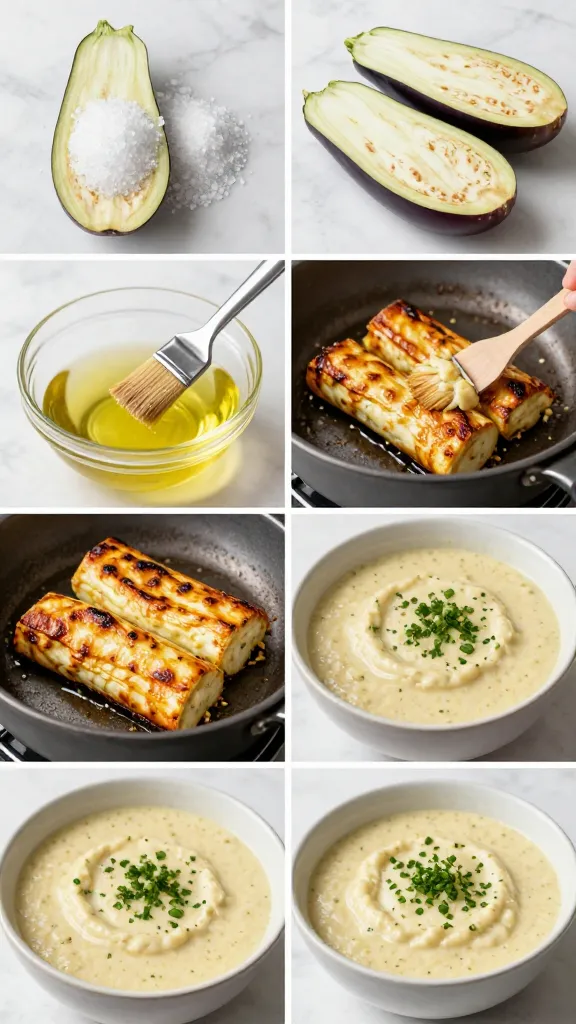
This isn’t rocket science, but a few tricks ensure your eggplant boats don’t capsize:
- Roast the eggplant halves until they’re tender but still hold their shape
- Scoop out some flesh (save it for the chowder—zero waste!)
- Fill with clam chowder, top with breadcrumbs, and bake until golden
Next-Level Serving Suggestions
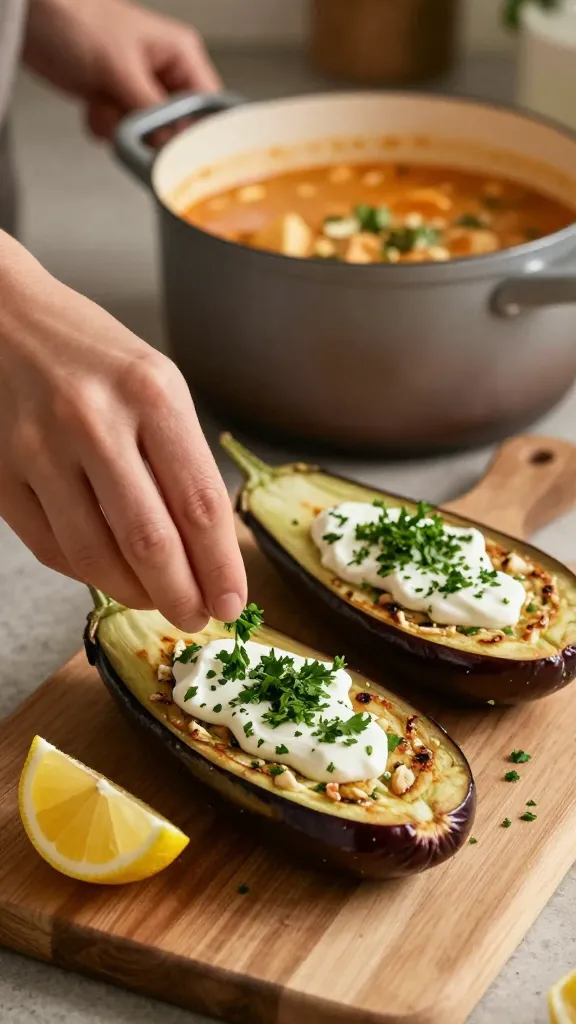
These boats are stars on their own, but here’s how to make them shine even brighter:
- Garlic bread croutons for extra crunch
- Fresh parsley for a pop of color
- Lemon wedges to cut through the richness
FAQ: Your Burning Clam Chowder Eggplant Boat Questions, Answered
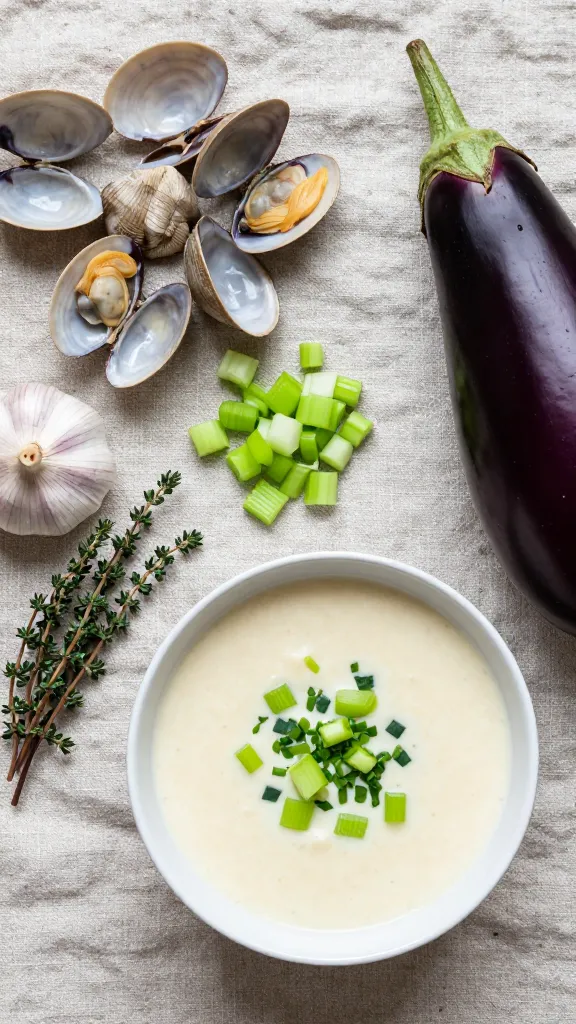
What type of eggplant works best for this recipe?
Globe eggplant is the most reliable choice due to its large, meaty flesh that holds up well during baking. Japanese or Italian eggplant also work if you prefer a more delicate, tender result with slightly thinner walls.
Do I need to salt the eggplant before baking?
Yes, salting and resting the eggplant for 20–30 minutes before baking draws out excess moisture and reduces any natural bitterness. This step also helps the flesh absorb the clam chowder more evenly during cooking.
Should I use canned or fresh clams for the chowder?
oth work well. Canned clams are convenient and deliver consistent flavor, while fresh clams offer a more pronounced oceanic taste. If using fresh clams, steam them open first and reserve the clam liquor to deepen the chowder’s base.
Can I use store-bought clam chowder instead of homemade?
Absolutely. A good-quality canned or jarred New England clam chowder works perfectly and significantly reduces prep time. Warm it gently and adjust seasoning before spooning it over the eggplant.
How do I prevent the eggplant from becoming too soggy?
Pre-bake the eggplant until it is just tender before adding the chowder. This creates a slightly firmer structure that can absorb the sauce without collapsing. Avoid over-scooping the flesh if making a stuffed version.
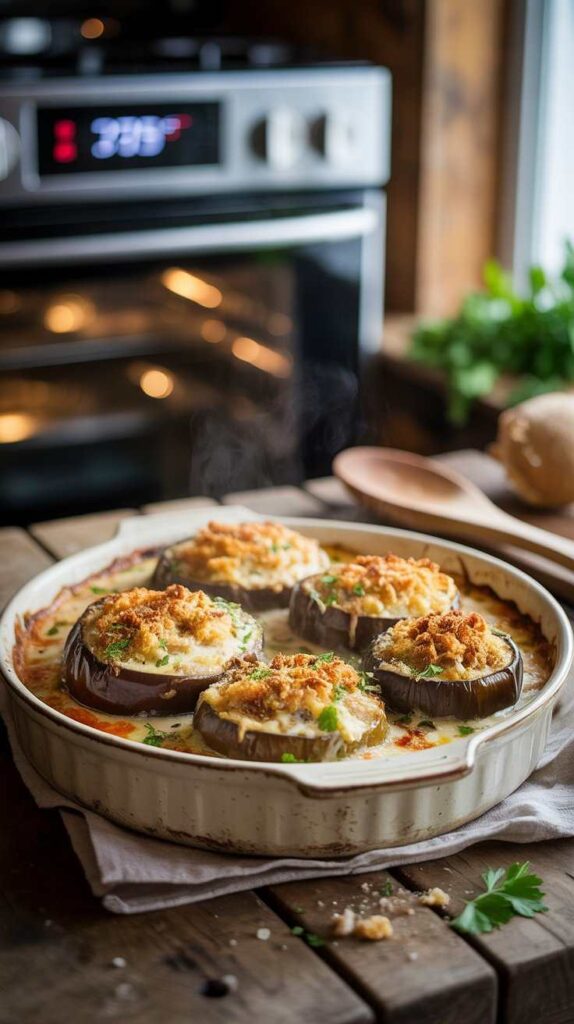
What is the ideal baking temperature for this dish?
Bake at 400°F (200°C) for the initial roasting of the eggplant. Once the chowder is added, reduce to 375°F (190°C) to allow the flavors to meld without drying out the topping or overcooking the filling.
Why does eggplant pair so well with clam chowder?
Both eggplant and clams are naturally high in glutamates, the compound responsible for umami flavor. When combined, they create a flavor-synergy effect where each ingredient amplifies the savory depth of the other, resulting in a richer overall taste.
How do I keep the chowder from curdling in the oven?
Avoid using high heat once the chowder is added to the dish. High oven temperatures cause the proteins in cream-based sauces to separate. Keeping the oven at or below 375°F and covering the dish loosely with foil during baking helps maintain a smooth, creamy texture.
Can I add cheese on top of this dish?
Yes. A light layer of Gruyère, white cheddar, or Parmesan adds a golden, slightly nutty crust that complements the briny chowder beautifully. Broil for the final 2–3 minutes for a bubbly, caramelized finish.
What herbs work best in this recipe?
Thyme, bay leaf, and flat-leaf parsley are classic companions to clam chowder and translate beautifully here. Fresh dill also works wonderfully and adds a slightly bright, grassy note that lifts the richness of the cream base.
Can I use a Manhattan-style clam chowder instead of New England?
es, though the flavor profile will shift significantly. Manhattan clam chowder is tomato-based and tangier, which pairs well with eggplant’s earthiness but produces a lighter, more acidic dish rather than the indulgent creamy version.
Does the eggplant skin become edible after baking?
Yes. When baked at the right temperature, the skin softens considerably and becomes fully edible. It also helps the eggplant hold its shape during baking and serving, making it especially useful in stuffed or boat-style presentations.
Final Thoughts: Set Sail for Flavor Town
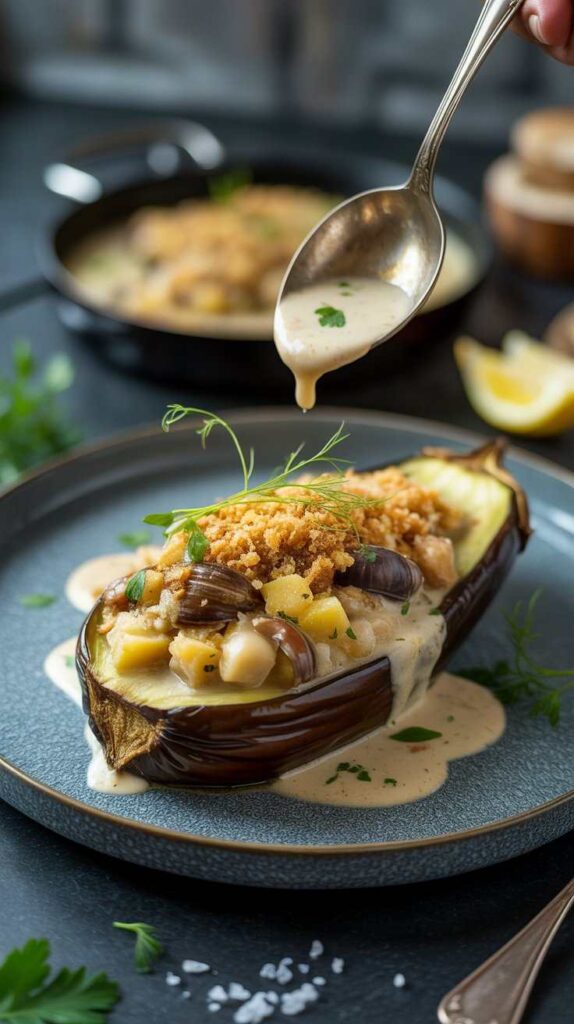
Clam Chowder Baked Eggplant is one of those rare recipes that makes you feel both safe and excited at the same time. It combines two beloved cooking styles: the thick, creamy richness of New England clam chowder and the smoky, tender satisfaction of baked eggplant. The result is a dish that is much better than the sum of its parts.
The best thing about this recipe is that it can be used in so many ways. It always tastes great, looks great, and has a great texture, whether you serve it as the main course at a dinner party, a filling lunch on the weekend, or a dish to impress guests. The salty clam, smooth cream, and soft roasted eggplant work together to make a balance that is both rustic and elegant.
Most importantly, it is very easy to get to. Even a home cook can make something that tastes like it came from a professional kitchen with just a few good ingredients and a simple method.
After you try this mix, you won’t be able to think of eggplant or clam chowder on their own again. They just go together. Without a doubt, it will become a regular part of your recipe rotation after you make it once.