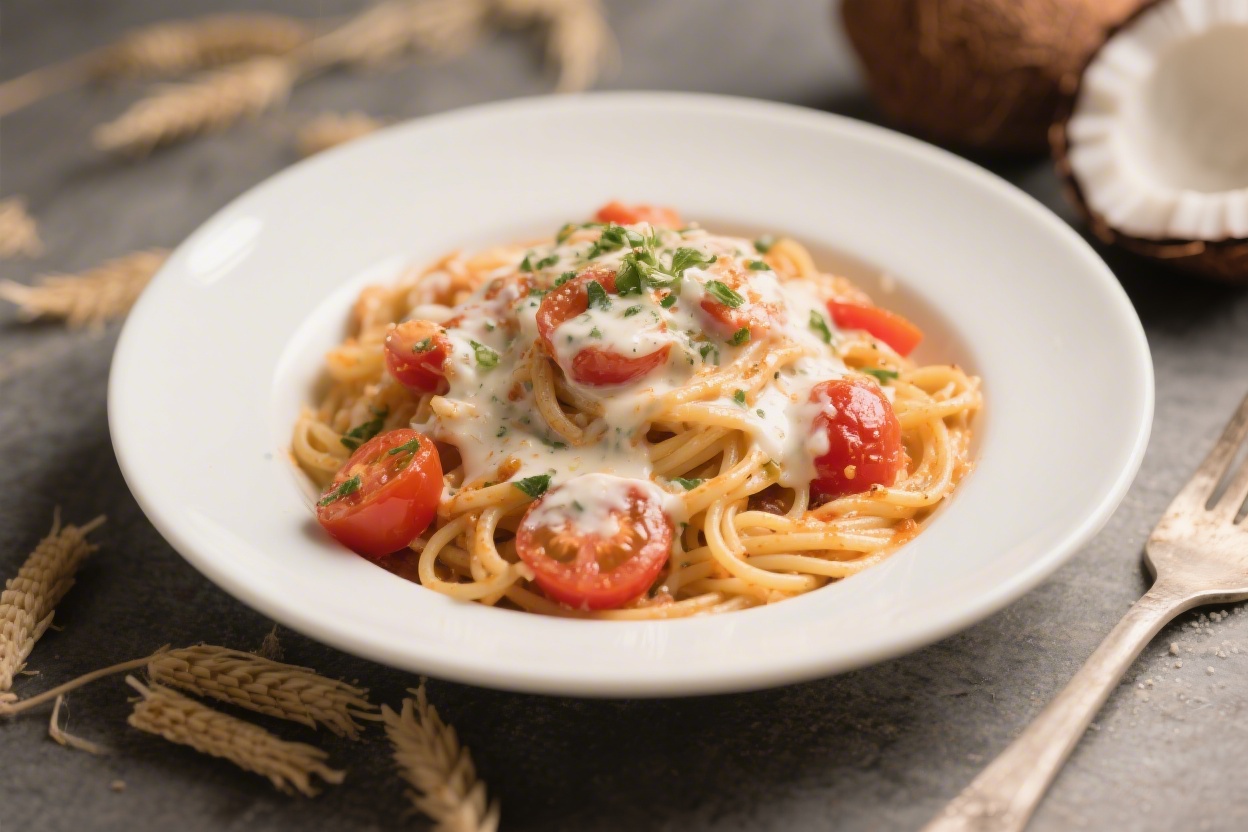
This creamy coconut tomato pasta is the kind of dish you make on a busy night and still feel like you’ve treated yourself. It’s rich and silky without any dairy, thanks to coconut milk. The tomato base keeps things bright and balanced, while garlic and herbs make the sauce taste slow-simmered.
Jump to RecipeUse your favorite gluten-free pasta, and you’ll have a comforting bowl that’s friendly to many diets. It comes together fast, tastes even better the next day, and makes great leftovers for lunch.
What Makes This Special
- Dairy-free creaminess: Full-fat coconut milk gives the sauce a velvety texture without cream or cheese.
- Gluten-free friendly: Works beautifully with gluten-free pasta made from brown rice, quinoa, or chickpeas.
- Weeknight easy: One pot for the sauce, one for pasta, and about 30 minutes start to finish.
- Balanced flavor: Tomatoes add acidity, coconut milk adds richness, and a touch of heat and herbs round it out.
- Flexible base: Great for add-ins like spinach, mushrooms, shrimp, or roasted vegetables.
Ingredients
- 12 ounces gluten-free pasta (penne, fusilli, or spaghetti)
- 2 tablespoons olive oil (or avocado oil)
- 1 small yellow onion, finely chopped
- 3–4 garlic cloves, minced
- 1/2 teaspoon red pepper flakes (optional, adjust to taste)
- 1 teaspoon dried oregano or Italian seasoning
- 1/2 teaspoon smoked paprika (optional for depth)
- 1 can (14–15 ounces) crushed tomatoes or tomato passata
- 1 can (13.5–14 ounces) full-fat coconut milk, well shaken
- 1 tablespoon tomato paste (optional, for extra richness)
- 1–2 teaspoons sugar or maple syrup (to balance acidity, as needed)
- Salt and black pepper, to taste
- Fresh basil or parsley, chopped, for garnish
- Juice of 1/2 lemon (optional, for brightness)
- Grated dairy-free Parmesan or nutritional yeast (optional, for serving)
Instructions
- Boil the pasta: Bring a large pot of salted water to a rolling boil. Add gluten-free pasta and cook according to package directions until just al dente.Reserve 1/2 cup of pasta water, then drain and set aside.
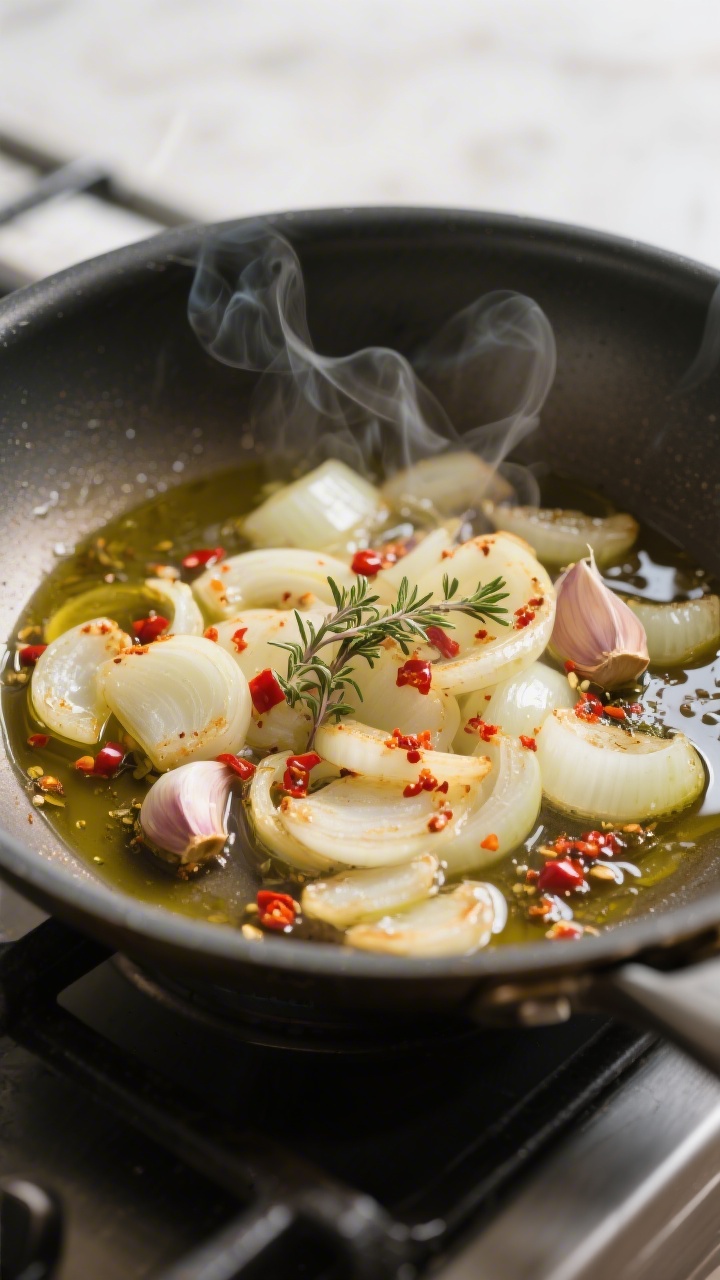
- Sauté the aromatics: In a large skillet or wide saucepan, heat olive oil over medium heat. Add chopped onion with a pinch of salt and cook 4–5 minutes until softened. Stir in garlic, red pepper flakes, oregano, and smoked paprika, and cook 30–60 seconds until fragrant.
- Add tomatoes: Pour in crushed tomatoes and stir in tomato paste if using.Simmer 5–7 minutes to thicken slightly. Taste and season with salt and pepper.
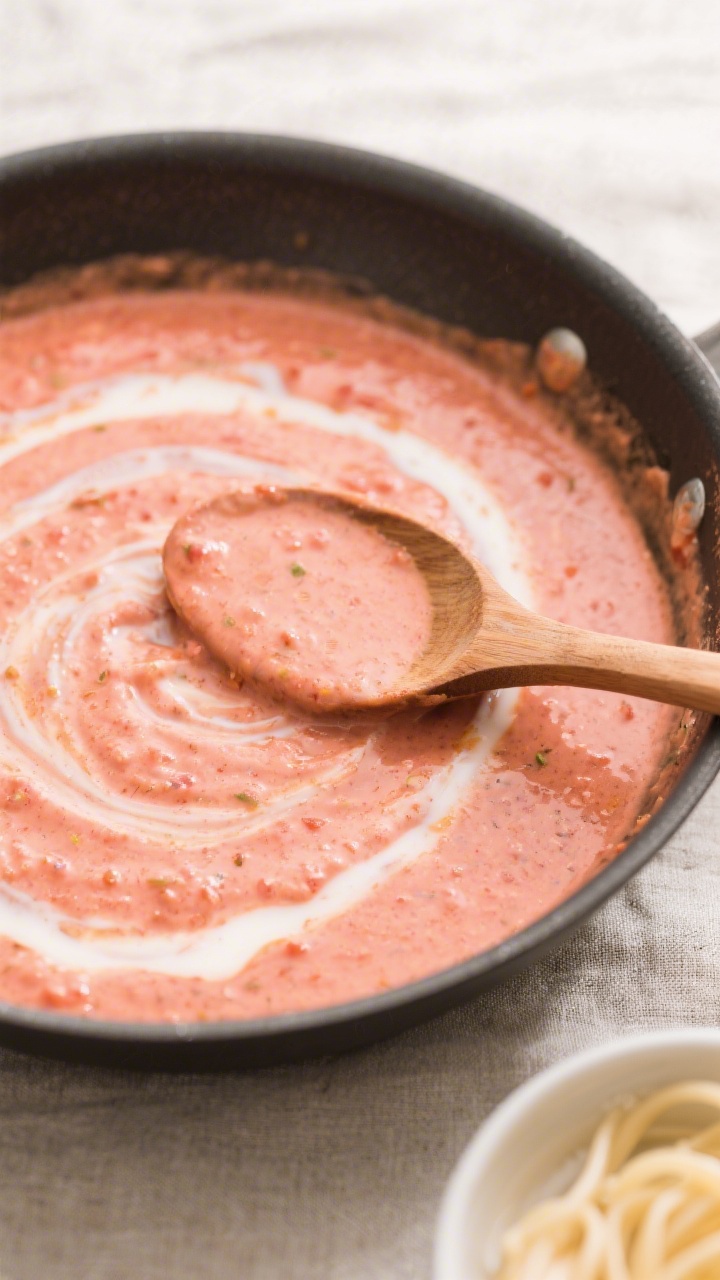
- Stir in coconut milk: Reduce the heat to medium-low. Add the coconut milk and stir until the sauce is smooth and creamy.Simmer 3–4 minutes. If the sauce tastes too tangy, add 1–2 teaspoons sugar or maple syrup to balance.
- Adjust consistency: If the sauce feels too thick, splash in a bit of the reserved pasta water. If it’s thin, simmer a couple more minutes until it coats the back of a spoon.
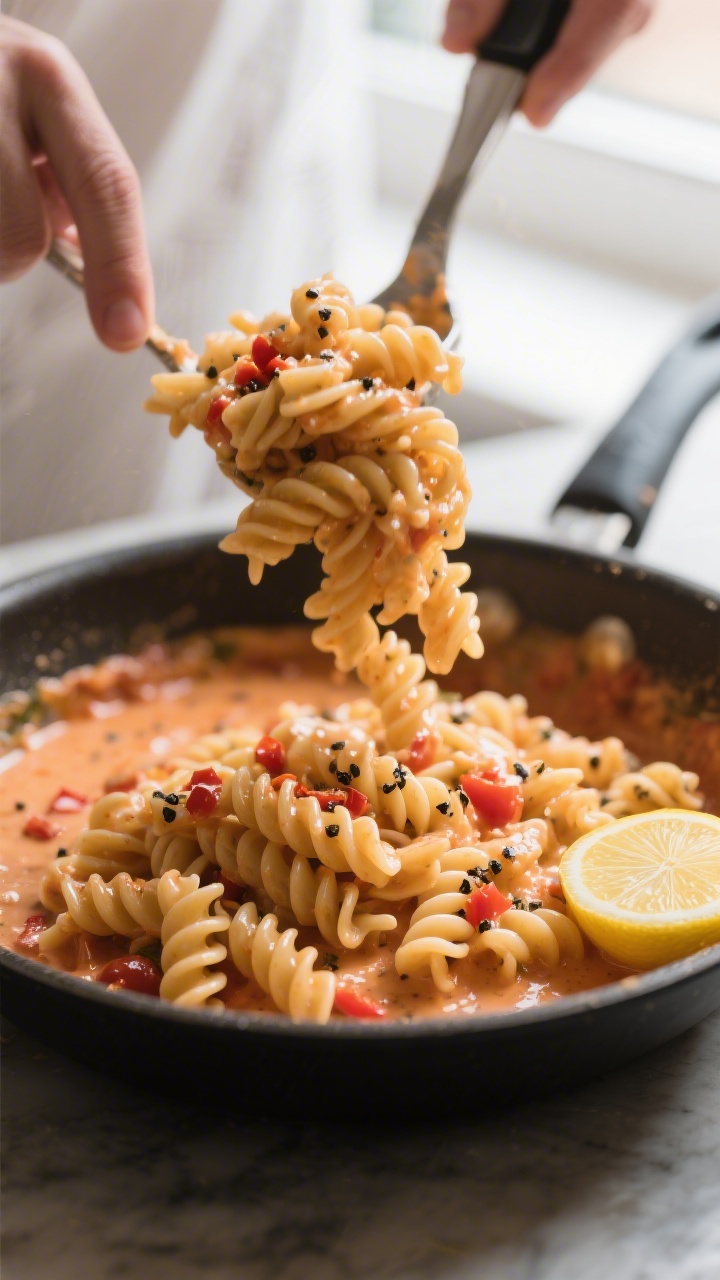
- Toss with pasta: Add the drained pasta directly to the sauce.Toss gently until every piece is coated. Add a squeeze of lemon juice for brightness, if you like. Taste and adjust salt, pepper, and heat.
- Finish and serve: Remove from heat.Top with chopped basil or parsley and a sprinkle of dairy-free Parmesan or nutritional yeast, if using. Serve warm.
Creamy Coconut Tomato Pasta with Gluten-Free Pasta
Silky coconut tomato sauce, garlic, and herbs wrapped around tender gluten-free pasta for an easy bowl of comfort
Ingredients
- 12 oz gluten-free pasta (penne, fusilli, or spaghetti)
- 2 tbsp olive oil or avocado oil
- 1 small yellow onion, finely chopped
- 3–4 cloves garlic, minced
- ½ tsp red pepper flakes, optional
- 1 tsp dried oregano or Italian seasoning
- ½ tsp smoked paprika, optional
- 1 can (14–15 oz) crushed tomatoes or tomato passata
- 1 can (13.5–14 oz) full-fat coconut milk, well shaken
- 1 tbsp tomato paste, optional
- 1–2 tsp sugar or maple syrup, as needed
- Salt and black pepper, to taste
- Fresh basil or parsley, chopped, for garnish
- Juice of ½ lemon, optional
- Grated dairy-free Parmesan or nutritional yeast, optional, for serving
Optional Variations
- Baby spinach
- Sliced mushrooms
- Shrimp
- Roasted zucchini, cherry tomatoes, or bell peppers
- Chopped sun-dried tomatoes
- Cooked chickpeas or grilled chicken
Instructions
- Boil the PastaBring a large pot of salted water to a rolling boil. Add the gluten-free pasta and cook according to the package directions until just al dente. Reserve <strong>½ cup</strong> of pasta water, then drain the pasta and set it aside.Do not overcook gluten-free pasta — it can turn gummy quickly, so pull it right at al dente.
- Sauté the AromaticsIn a large skillet or wide saucepan, heat the olive oil over medium heat. Add the chopped onion with a pinch of salt and cook for 4–5 minutes until softened. Stir in the garlic, red pepper flakes if using, oregano, and smoked paprika, and cook for 30–60 seconds until fragrant.Salt in layers as you go because coconut milk can mute flavors later in the cooking.
- Add the TomatoesPour in the crushed tomatoes and stir in the tomato paste if using. Simmer for 5–7 minutes so the sauce thickens slightly and the tomato flavor deepens. Taste and season with salt and black pepper.This quick simmer helps the sauce taste more developed and less raw.
- Stir in the Coconut MilkReduce the heat to medium-low and add the coconut milk. Stir until the sauce is smooth, creamy, and fully combined. Simmer gently for 3–4 minutes. If the sauce tastes too tangy, add 1–2 teaspoons of sugar or maple syrup to balance the acidity.Do not boil the sauce hard after adding coconut milk or it can lose its silky texture.
- Adjust the ConsistencyIf the sauce feels too thick, add a splash of the reserved pasta water. If it feels too thin, simmer it for another minute or two until it coats the back of a spoon.Starchy pasta water helps the sauce cling better to gluten-free pasta and keeps the finish creamy.
- Toss with the PastaAdd the drained pasta directly to the sauce and toss gently until every piece is coated. Add a squeeze of lemon juice at the end if you want extra brightness. Taste and adjust with more salt, pepper, or heat as needed.Add lemon only at the end and off the heat so the acid stays bright and does not affect the coconut milk.
- Finish and ServeRemove from the heat and top with chopped basil or parsley. Add dairy-free Parmesan or nutritional yeast if using, then serve warm.
Tips for the Best Results
- Use full-fat coconut milk for the silkiest, richest sauce.
- Do not overcook gluten-free pasta because it softens faster than traditional pasta.
- Keep the sauce at a gentle simmer after adding coconut milk to help it stay smooth.
- Reserve pasta water before draining — it makes a big difference in sauce texture and cling.
- If the sauce tastes flat, add a little more salt, black pepper, or a squeeze of lemon at the end.
- For a vegetable boost, stir in spinach at the end or sauté mushrooms with the onions.
- For extra protein, add shrimp, chickpeas, or grilled chicken without changing the sauce much.
- The sauce alone freezes better than fully assembled pasta, since gluten-free pasta can turn mushy after freezing.
- Leftovers keep in an airtight container in the fridge for up to 3–4 days. Reheat gently with a splash of water or broth.
- For an ultra-silky version, blend half the sauce and stir it back into the pan before tossing with the pasta.
Storage Instructions
- Refrigerator: Store leftovers in an airtight container for up to 3–4 days. The sauce may thicken; loosen with a splash of water or broth when reheating.
- Freezer: The sauce alone freezes well for up to 2 months.Freeze in portions. Thaw overnight in the fridge and reheat gently. Pasta can turn mushy if frozen, so freeze the sauce separate from the pasta when possible.
- Reheating: Warm on the stove over low heat with a few tablespoons of water.Stir occasionally until creamy again. Microwave in 30-second bursts, stirring between intervals.
Health Benefits
- Gluten-free and dairy-free: Great for those with gluten sensitivity or lactose intolerance, while still feeling indulgent.
- Tomato goodness: Tomatoes provide lycopene and vitamin C. Cooking tomatoes with fat can help your body absorb lycopene more effectively.
- Satisfying fats: Coconut milk contributes medium-chain triglycerides (MCTs), which can help with satiety.
- Customizable fiber: Choose a legume-based or brown rice pasta for more fiber and protein compared to some traditional options.
- Add-in potential: Spinach, mushrooms, or roasted veggies boost vitamins, minerals, and fiber without much extra effort.
What Not to Do
- Don’t overcook gluten-free pasta: It can turn gummy quickly.Pull it right at al dente and rinse briefly only if it’s very starchy and sticking, then toss in oil to prevent clumping.
- Don’t boil the sauce hard after adding coconut milk: A gentle simmer keeps it silky and prevents splitting.
- Don’t skip seasoning: Coconut milk mutes flavors a bit. Salt in layers and taste as you go.
- Don’t add lemon too early: Acid can curdle coconut milk if the heat is high. Add lemon at the end off the heat.
- Don’t forget pasta water: The starchy water helps the sauce cling to gluten-free pasta and keeps it creamy.
Variations You Can Try
- Spinach and mushroom: Sauté sliced mushrooms with the onions, then fold in a few handfuls of baby spinach at the end until wilted.
- Garlic-chili shrimp: Sear shrimp in olive oil with garlic and chili, set aside, then return to the pan when tossing the pasta and sauce.
- Roasted veggie boost: Roast cherry tomatoes, zucchini, or bell peppers at 425°F (220°C) with olive oil and salt until caramelized.Stir into the finished pasta.
- Sun-dried tomato umami: Add chopped sun-dried tomatoes (oil-packed) for a sweet-savory kick.
- Herb switch-up: Swap basil for mint and parsley for a fresh, Mediterranean twist. Finish with lemon zest.
- Protein power: Stir in cooked chickpeas or grilled chicken for extra protein without losing the sauce’s character.
- Extra creamy: Blend half the sauce until ultra-smooth, then return it to the pan for an even silkier texture.
FAQ
Can I use light coconut milk instead of full-fat?
Yes, but the sauce will be thinner and less silky. If using light coconut milk, simmer a bit longer to reduce, or add a spoonful of cashew butter to boost creaminess.
What’s the best gluten-free pasta for this recipe?
Brown rice or quinoa-based pastas hold their shape well.
Chickpea pasta adds protein and a slightly nutty flavor. Choose shapes with ridges—like fusilli or penne—so the sauce clings better.
Will the pasta taste like coconut?
There’s a gentle coconut note, but the tomatoes, garlic, and herbs balance it out. If you’re sensitive to coconut flavor, add extra lemon zest, black pepper, and basil to tilt the profile more savory.
Can I make the sauce ahead of time?
Absolutely.
Make the sauce up to 2 days in advance and store in the fridge. Reheat gently and cook fresh pasta right before serving for the best texture.
Jump to RecipeHow can I make this spicier?
Increase the red pepper flakes, add a chopped fresh chili to the onions, or swirl in a teaspoon of harissa or Calabrian chili paste with the tomatoes.
Is there a nut-free way to add cheesy flavor?
Yes. Use dairy-free Parmesan that’s nut-free, or add nutritional yeast for a savory, cheesy note without nuts.
What if my sauce separates?
Lower the heat and whisk in a splash of pasta water.
Emulsifying with starchy water usually brings it back together. Finish with a bit of lemon juice off heat.
Can I use fresh tomatoes?
Yes. Simmer 1.5–2 pounds of chopped ripe tomatoes with a pinch of salt until they break down and thicken, then proceed with the coconut milk step.
Wrapping Up
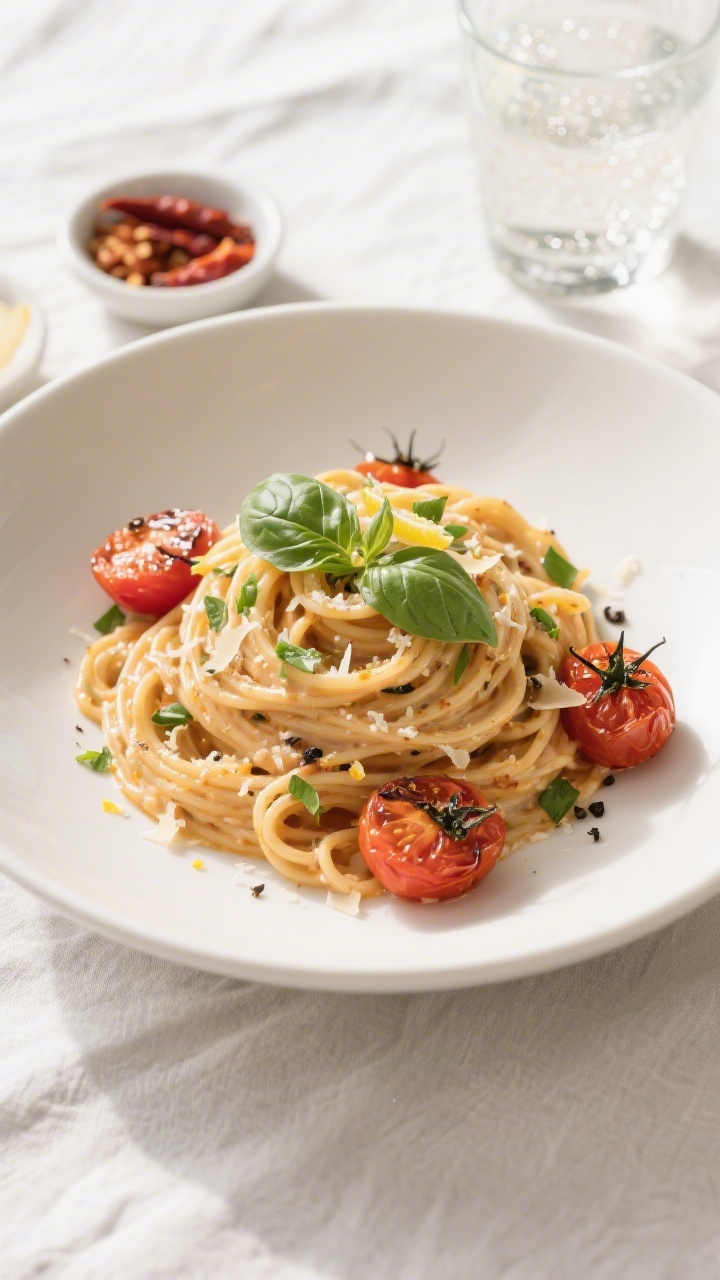
Creamy Coconut Tomato Pasta with Gluten-Free Pasta is a dependable, feel-good meal that’s easy to customize and tough to mess up.
Jump to Recipe
It’s rich yet bright, simple yet comforting, and ready in about half an hour. Keep a can of coconut milk and tomatoes in your pantry, and you’ll always have the base for a cozy dinner. Add your favorite veggies or protein, garnish with fresh herbs, and enjoy a bowl that checks all the boxes—gluten-free, dairy-free, and undeniably satisfying.