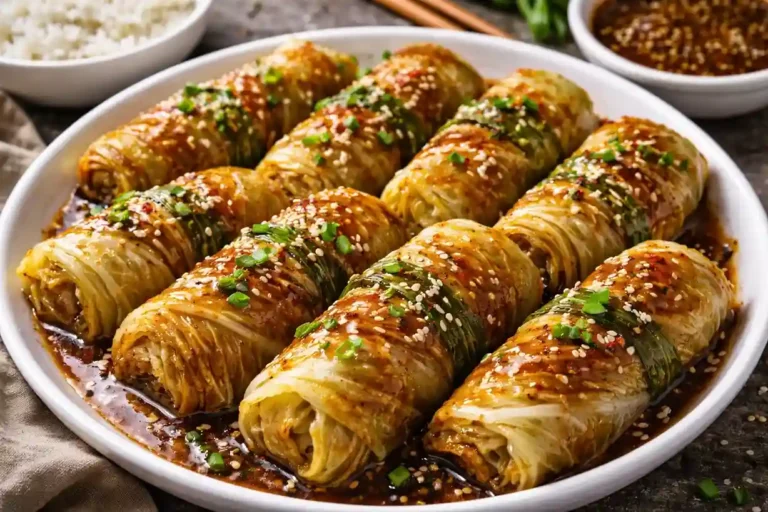

There is a very specific kind of magic that happens when a small, humble baby potato is boiled until just tender, smashed flat, fried until golden and shattering, and then absolutely drowned in a velvety, spiced, orange-hued Cajun sauce — and if you have ever visited a Barbeque Nation buffet or any popular Indian grill restaurant, you already know exactly what that magic feels like, because you reach for one Cajun Spiced Potato and before you know it the entire plate is gone and you are quietly hoping no one noticed. What makes this dish so completely irresistible is the contrast it delivers in every single bite: the outside is crisp and light, almost crackling as you press it with your fork, the inside is soft, fluffy, and warmly seasoned all the way through, and then comes the Cajun sauce — cool, creamy, richly spiced, with just enough heat to make things interesting and just enough creaminess to smooth everything out into a combination of textures, temperatures, and flavors that is genuinely difficult to stop eating once you start.
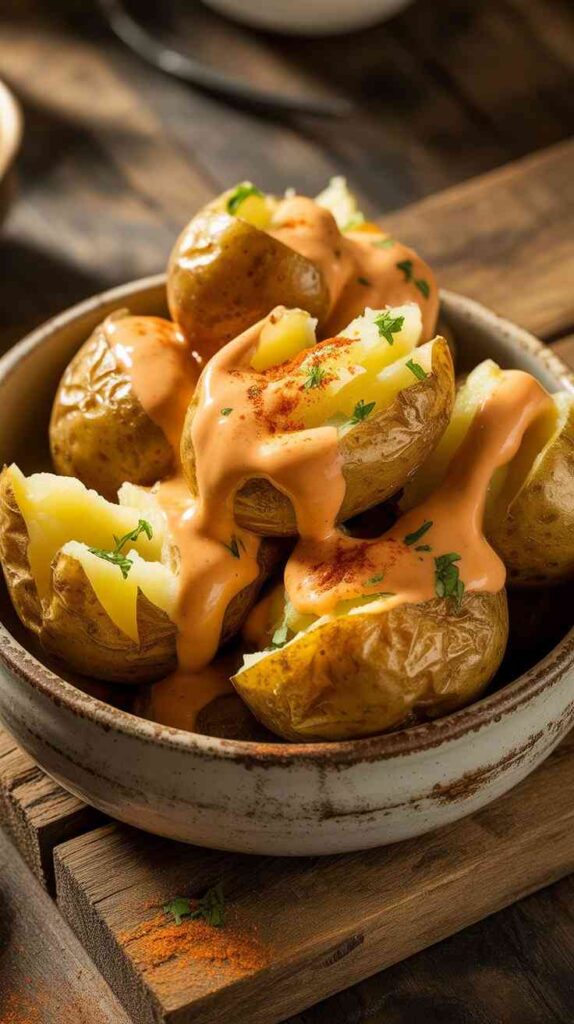
The good news is that you do not need a buffet ticket or a commercial kitchen to recreate this iconic dish at home, because this recipe gives you everything — the technique, the ratios, the troubleshooting tips, and the complete sauce formula — to produce restaurant-quality Cajun Spiced Potatoes any time the craving strikes. With 25 baby potatoes, it serves a generous crowd and scales up easily, the sauce can be made hours in advance, and the finished result looks spectacular on a platter — golden, glossy, garnished with fresh herbs and a dusting of red chili powder — making it just as suited to a dinner party starter or festive family gathering as it is to a game night snack spread or a deeply satisfying meal on a regular Tuesday evening.
Recipe Details
| Detail | Info |
|---|---|
| Cuisine | Fusion (Indo-American) |
| Course | Appetizer / Starter |
| Difficulty | Easy to Intermediate |
| Servings | 8–10 people |
| Prep Time | 20 minutes |
| Cook Time | 30 minutes |
| Calories Per Serving | ~210 kcal |
Understanding the Key Components
Before diving into the step-by-step process, it is worth understanding why each element of this recipe works the way it does. This is not just a list of ingredients thrown together — every component has a specific role to play in the final result.
Why baby potatoes? Baby potatoes are the gold standard for this recipe because of their high starch content and thin skins. The starch creates a fluffy, cohesive interior that holds together beautifully during the smashing process. The thin skin acts almost like a natural basket — it keeps the potato intact as you press it flat and gives the edges something to crisp up against during frying. You could technically use larger potatoes cut into pieces, but you will lose that characteristic round, smashed shape that defines this dish.
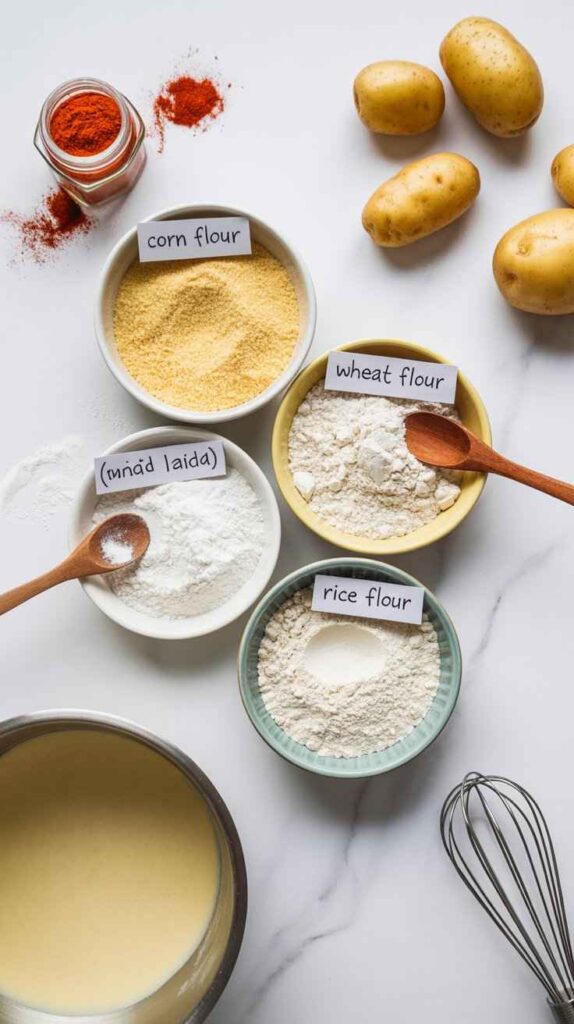
Why three different flours in the batter? The combination of corn flour, wheat flour, and rice flour is what gives the coating its distinctive lightness and crunch. Corn flour contributes an airy, delicate crunch. Wheat flour (or maida) acts as the binding agent that keeps the batter adhered to the potato during frying. Rice flour is the real secret weapon here — it does not absorb oil the way wheat flour does, which means the coating stays crispy even after the creamy sauce is poured over the top. Using rice flour is what separates a Cajun potato that remains crunchy under the sauce from one that turns soggy within minutes.
Why does the sauce use milk? The milk in the Cajun sauce is not there for flavor — it is there for consistency. Mayonnaise on its own is too thick and heavy to drizzle over the potatoes in that gorgeous, flowing way you see in restaurants. Adding milk gradually thins the sauce to a pourable consistency that seeps beautifully into every crack and crevice of the smashed, fried potato, coating it in flavor rather than just sitting on top of it.
Ingredients
For the Potatoes
- 25 baby potatoes, washed thoroughly
- Salt for boiling
For the Crispy Batter
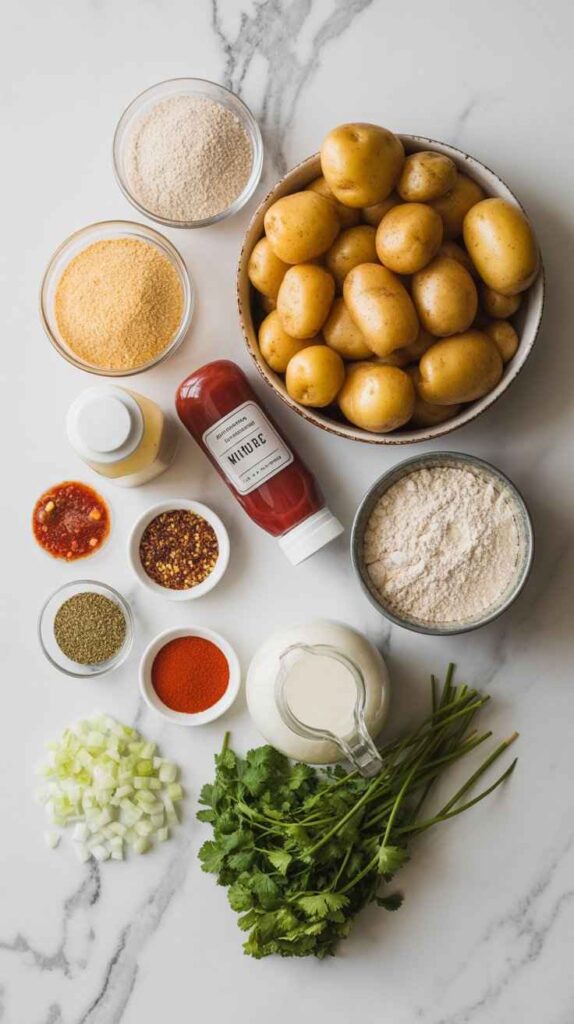
- ¼ cup corn flour
- 2 tbsp wheat flour (or all-purpose flour / maida)
- 1 tbsp rice flour
- Water, as needed to make a medium-thick slurry
For the Cajun Sauce
- 1 cup mayonnaise
- 1 tbsp tomato sauce (ketchup)
- 1 tsp chilli flakes
- 1½ tsp garlic powder
- 1 tsp mixed dried herbs (oregano, thyme, or basil)
- ½ tsp freshly cracked black pepper
- ¼ tsp red chilli powder
- ⅓ to ½ cup milk (adjust for consistency)
- Salt, to taste
For the Garnish
- 1 small onion, finely chopped
- Chilli flakes, to sprinkle
- Mixed dried herbs, to sprinkle
- A light dusting of red chilli powder
- Fresh coriander leaves, chopped
Step-by-Step Instructions
Step 1: Boil the Potatoes
Wash all 25 baby potatoes thoroughly under cold running water to remove any grit or dirt from the skin. Place them in a pressure cooker or a deep pot and cover with enough water so they are fully submerged. Add a generous pinch of salt — this is important because seasoning the cooking water means the potato is flavored all the way through, not just on the outside.
If using a pressure cooker, cook for 1 to 2 whistles. If boiling in a pot, cook for approximately 12 to 15 minutes. The key here is to cook the potatoes until they are just tender — a skewer or knife should slide in cleanly — but not so soft that they are on the verge of falling apart. Overcooked potatoes will not hold their shape during smashing.
Drain the water immediately and spread the potatoes out on a tray or board. Let them air dry for several minutes. This step is critical: any surface moisture remaining on the potato will cause the batter to slip off and will also make the oil splatter aggressively during frying. Patience at this stage pays off considerably in the end result.
Step 2: Smash the Potatoes
Once the potatoes are cool enough to handle comfortably, place one at a time on a flat cutting board or clean surface. Using the palm of your hand or the flat base of a small bowl or glass, press down firmly but gently on each potato to flatten it into a disc approximately half an inch thick.
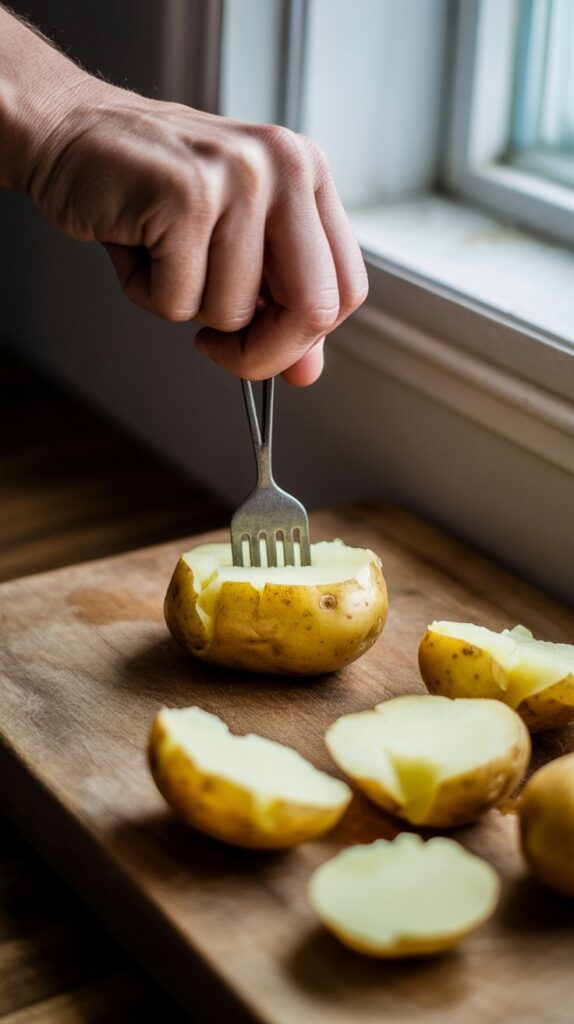
The goal is to create a flat surface with plenty of exposed, rough edges — this irregular surface is what creates maximum crunch during frying. If you press too hard, the potato will crumble and fall apart. If you do not press enough, you will not get enough surface area to develop a proper crust. It takes one or two tries to find the right amount of pressure, but once you do, the rest goes quickly.
Step 3: Make the Batter
In a wide mixing bowl, combine the corn flour, wheat flour, and rice flour. Add cold water a little at a time, whisking continuously to prevent lumps from forming. You are looking for a batter that is thick enough to coat the back of a spoon and cling to the potato, but thin enough that it runs off slowly rather than sitting in a heavy clump. Think of it like a pancake batter consistency — smooth, fluid, and uniform.
Step 4: Fry to Golden Perfection
Pour enough oil into a deep frying pan or kadai for deep frying and heat it over medium-high heat. Test the oil temperature by dropping a tiny bit of batter in — if it sizzles and rises to the surface within a few seconds, the oil is ready.
Dip each smashed potato carefully into the batter, making sure the entire surface including the edges and any cracks is fully coated. Gently lower it into the hot oil. Fry in batches of 5 to 6 potatoes at a time — never overcrowd the pan, as this drops the oil temperature and results in greasy, soggy potatoes rather than crispy ones.
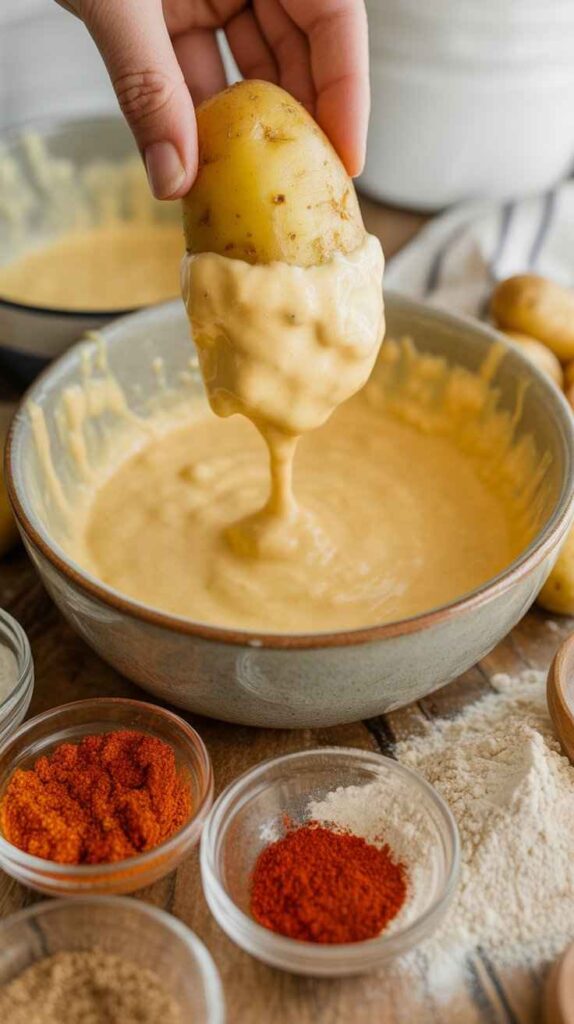
Fry each batch for 3 to 4 minutes until the coating is pale golden and set, then flip carefully and fry for another 2 to 3 minutes until evenly golden and crisp. Remove with a slotted spoon and drain on paper towels.
For an extra-crispy result, try the double fry method: fry the potatoes once until pale gold, let them rest for 5 minutes, then return them to very hot oil for a final 60-second flash fry. This second fry drives out any remaining moisture and creates an intensely crispy shell that holds up beautifully under the sauce.
Step 5: Prepare the Cajun Sauce
While the potatoes are draining, prepare the sauce. In a mixing bowl, combine the mayonnaise, tomato sauce, chilli flakes, garlic powder, mixed herbs, black pepper, red chilli powder, and a pinch of salt. Stir everything together until well combined.
Now gradually whisk in the milk, a splash at a time, until the sauce reaches the consistency of heavy cream — it should flow easily from a spoon and drizzle in a thin, steady stream rather than falling in heavy dollops. Taste the sauce and adjust the salt, heat level, or herb balance as needed. The sauce can be prepared up to 24 hours in advance and stored covered in the refrigerator.
Step 6: Assemble and Serve
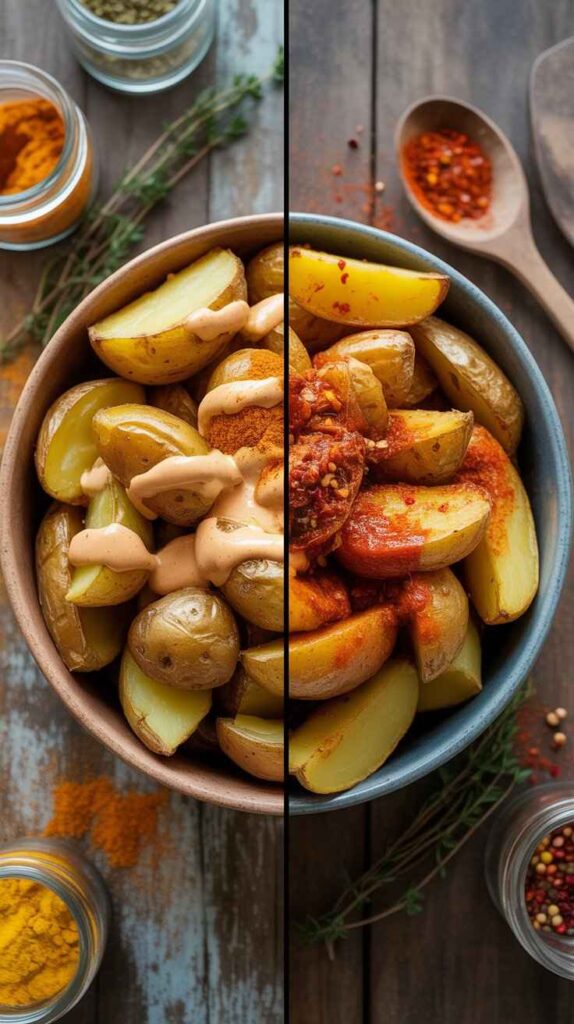
Arrange the hot, crispy fried potatoes on a wide serving platter. Working quickly, pour the Cajun sauce generously over the center of the potatoes, letting it flow naturally down the sides and into the gaps between them. Scatter the finely chopped onion over the top, followed by a pinch of extra chilli flakes, a sprinkle of mixed herbs, a light dusting of red chilli powder for color, and the freshly chopped coriander leaves. Serve immediately.
Expert Tips for Restaurant-Quality Results
Temperature is everything. The contrast between the piping hot, shatteringly crispy potato and the cool, creamy Cajun sauce is what makes this dish extraordinary. If the potatoes cool down before you add the sauce, the magic is lost. Have your sauce ready before the final batch of potatoes comes out of the oil, and assemble immediately.
Season the boiling water generously. The potato should taste seasoned all the way through, not just on the coated exterior. Salting the cooking water is the only opportunity you have to season the inside of the potato, so do not be shy about it.
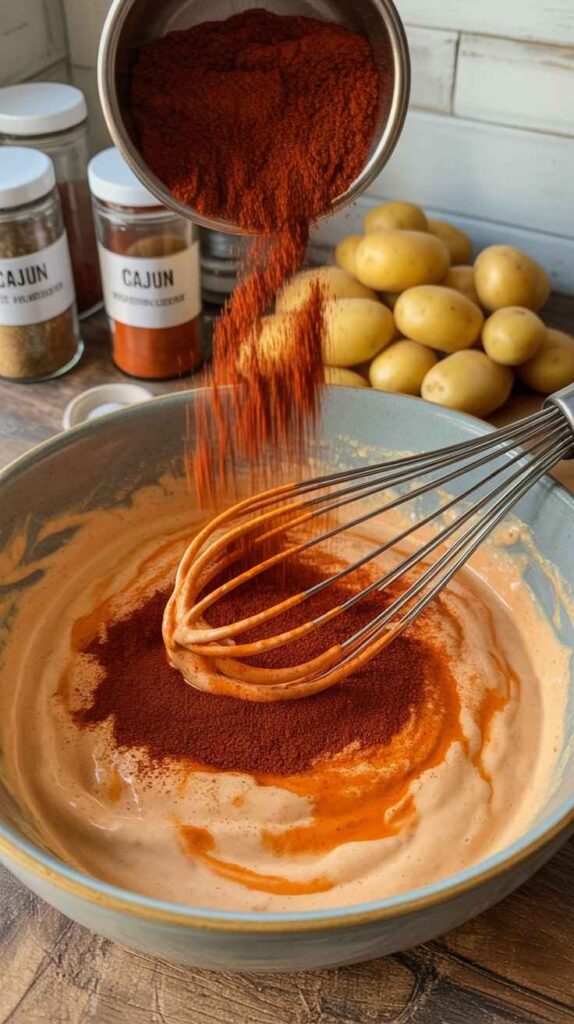
Try smoked paprika for more depth. If you want a smokier, more complex flavor profile in the sauce that mimics the taste of charcoal grills, replace the red chilli powder with smoked paprika. It adds a layer of woodsy, savory complexity that is absolutely worth trying.
Make it vegan effortlessly. Swap the regular mayonnaise for a vegan cashew-based mayo and use unsweetened almond or soy milk to thin the sauce. The result is virtually identical in taste and texture, making this dish accessible to anyone following a plant-based diet.
Try the air fryer version. For a lighter take on this recipe, brush the battered potatoes with a light coating of oil and air fry at 200°C for 15 to 18 minutes, flipping halfway through. You will not get quite the same deep-fried crunch, but the result is still very satisfying and considerably lower in calories.
Conclusion
These Cajun Spiced Potatoes are everything a great party food should be — visually stunning, effortless to eat, endlessly crowd-pleasing, and built from ingredients that are accessible and affordable. They are the kind of dish that disappears from the plate within minutes and generates a steady stream of compliments from everyone who tries them. With the right technique — properly boiled and dried potatoes, a well-balanced triple-flour batter, and a creamy Cajun sauce made to the right consistency — you can genuinely recreate that beloved Barbeque Nation experience in your own kitchen. Make them once for a gathering and you will almost certainly be requested to make them again at every single occasion that follows.
Frequently Asked Questions
What type of potatoes work best for Cajun Spiced Potatoes? Baby potatoes are the best choice for this recipe because of their high starch content, thin skin, and uniform small size. The thin skin holds the potato together during smashing, and the starch creates a fluffy interior that contrasts beautifully with the crispy fried exterior. Larger potatoes can be used if cut into similar-sized pieces, but you will lose the characteristic round, smashed shape.
Why do my potatoes fall apart when I try to smash them? This almost always happens because the potatoes were cooked for too long. Overcooked potatoes lose their structural integrity and crumble rather than flattening into a neat disc. Boil them only until a skewer slides in with gentle resistance — just tender, not completely soft. Letting them cool and dry completely before smashing also helps them hold together better.
Can I boil the potatoes in advance? Yes, absolutely. You can boil and smash the potatoes several hours ahead of time and store them covered in the refrigerator. Just make sure they are completely dry before battering and frying. Frying fresh from the refrigerator actually works very well, as the cold potato creates a good temperature contrast with the hot oil, helping the batter set quickly into a crispier shell.
Why is rice flour included in the batter? Rice flour is the ingredient that keeps the batter crispy even after the sauce is poured over the potatoes. Unlike wheat flour, rice flour does not absorb oil readily, which means the coating stays light and crunchy rather than turning greasy and soft under the weight of the Cajun sauce. It is a small addition that makes a very significant difference to the final texture.
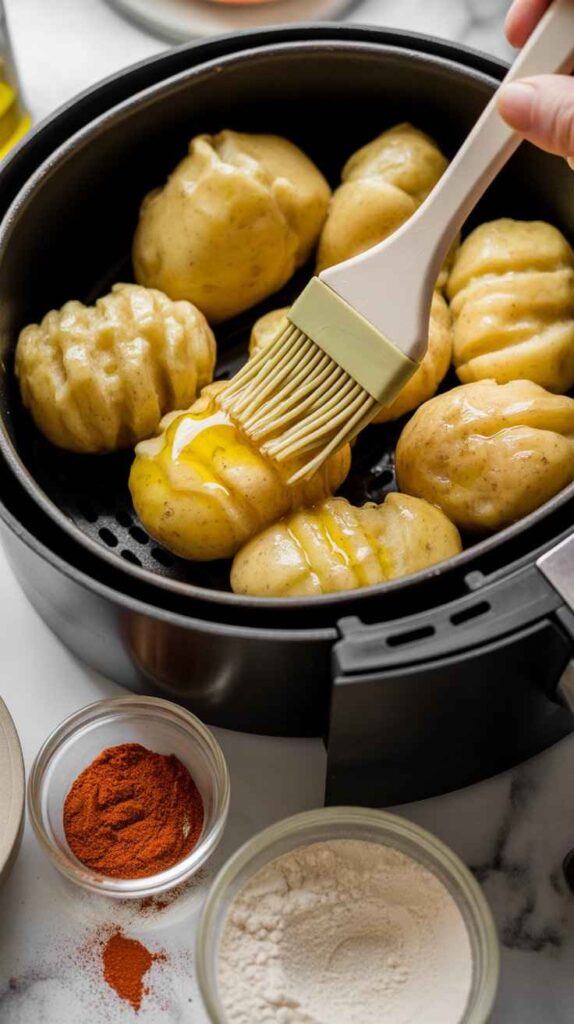
Can I make this recipe in an air fryer instead of deep frying? Yes. Brush the battered potatoes with a light coating of oil and air fry at 200°C for 15 to 18 minutes, flipping them over halfway through the cooking time. The result will not be quite as deeply golden and shattering as the deep-fried version, but it is a satisfying and considerably lighter alternative that works very well.
Can I make the Cajun sauce in advance? Yes, and the sauce actually tastes better after resting. Making it an hour or more ahead of time allows the garlic powder and herbs to fully bloom into the mayonnaise, deepening the flavor considerably. Store it covered in the refrigerator and give it a good stir before pouring. You may need to add a small splash of milk to loosen it again after refrigeration.
How do I get the sauce to the right drizzling consistency? Add the milk to the mayonnaise base gradually, a tablespoon at a time, whisking after each addition. You are looking for a consistency similar to heavy cream — it should flow steadily from a spoon in a thin, even stream rather than plopping off in thick clumps. If you over-thin the sauce, whisk in a little extra mayonnaise to bring it back.
What can I substitute for mayonnaise in the Cajun sauce? For a vegan version, use cashew-based or soy-based vegan mayonnaise — the flavor and texture are very close to regular mayo. For a lighter version, you can replace half the mayonnaise with plain Greek yogurt, which adds a pleasant tanginess to the sauce. Full yogurt replacement will make the sauce thinner and tangier, which works but changes the character of the dish noticeably.
How do I prevent the batter from sliding off the potatoes during frying? The two most common causes of batter slipping are excess surface moisture on the potato and batter that is too thin. Make sure the boiled potatoes are fully dried before battering — spread them on a tray and let them air dry for several minutes, or pat them gently with a clean kitchen towel. The batter should be thick enough to coat and cling, not watery.
Can I bake the potatoes instead of frying them? Yes. Place the battered smashed potatoes on a greased baking tray and drizzle or brush them generously with oil. Bake at 220°C for 20 to 25 minutes, flipping once halfway through, until golden and crispy. The baked version is lighter in calories and still very enjoyable, though the texture is slightly less crisp than the deep-fried version.
How spicy are Cajun Spiced Potatoes? As written, this recipe has a moderate level of heat from the chilli flakes, red chilli powder, and black pepper. The mayonnaise base of the sauce tempers the spice considerably, making it more warmly spiced than aggressively hot. If you are cooking for children or people sensitive to spice, simply reduce or omit the chilli flakes from the sauce and reduce the red chilli powder. If you want more heat, increase the chilli flakes or add a pinch of cayenne pepper to the sauce.
What is the best way to serve Cajun Spiced Potatoes at a party? Fry the potatoes as close to serving time as possible and assemble the platter at the last moment for the best texture. Lay the potatoes in a single layer on a wide, flat platter, pour the sauce over them all at once, and scatter the garnishes generously. Avoid stacking the potatoes on top of each other as this traps steam and makes the bottom layer soggy quickly.
Can I use store-bought Cajun seasoning instead of making the sauce from scratch? You can incorporate store-bought Cajun seasoning as part of the spice base for the sauce, replacing the individual spices with about 1.5 to 2 teaspoons of the seasoning blend. However, the homemade sauce in this recipe — with its garlic powder, mixed herbs, and specific spice ratios — has been specifically calibrated for the mayonnaise and milk base, so the from-scratch version will give you more control and a more balanced result.
How long do Cajun Spiced Potatoes stay crispy after assembling? Cajun Spiced Potatoes are best eaten within 10 to 15 minutes of assembling, while the potatoes are still hot and the sauce has not had time to soften the coating. This is a dish designed to be served and eaten immediately, not held for long periods. If you need to cook ahead, keep the fried potatoes warm in a low oven and pour the sauce over only at the moment of serving.
What other garnishes work well on Cajun Spiced Potatoes? Beyond the classic onion, herbs, and coriander, you can add a drizzle of sriracha or hot sauce over the finished dish for extra heat and visual appeal. Thinly sliced spring onions work beautifully in place of regular onion and add a milder, sweeter crunch. A light squeeze of lime juice just before serving can brighten all the flavors and cut through the richness of the mayonnaise base.
Is this dish suitable for vegetarians? Yes, this recipe is completely vegetarian as written. It contains no meat, fish, or meat-derived products. To make it suitable for vegans, simply substitute the regular mayonnaise with a vegan alternative and replace the regular milk with unsweetened plant-based milk such as almond or soy milk.
Can I double the recipe for a larger crowd? Absolutely. This recipe scales up very easily — simply double or triple all ingredient quantities. The frying will take longer since you will have more batches to cook, but the cooking time per batch and the sauce method remain exactly the same. It is a good idea to fry in multiple pans simultaneously if cooking for a very large group.
What is the difference between Cajun seasoning and regular chilli powder? Regular chilli powder is primarily ground dried chilli peppers and delivers straightforward heat. Cajun seasoning is a complex spice blend that typically includes cayenne, paprika, garlic powder, onion powder, oregano, thyme, and black pepper. It has heat, but also earthiness, sweetness from the paprika, and herbaceous notes that create a much more layered, restaurant-style flavor profile.
Why does the sauce taste better the next day? When you mix garlic powder and dried herbs into mayonnaise, they need time to hydrate and release their full flavor into the fat base. Freshly made sauce tastes primarily of mayonnaise with spice. After an hour — and especially after a night in the refrigerator — the garlic and herb flavors meld deeply into the sauce, creating a much more cohesive, rounded, and flavorful result.
Can leftover Cajun Spiced Potatoes be reheated? Yes, though the texture will not be as crispy as freshly made. To get the best results when reheating, spread the potatoes on a baking tray and reheat in an oven at 200°C for 8 to 10 minutes until warmed through and the coating has crisped up again. Avoid microwaving, as this softens the batter significantly. Reheat the sauce separately and pour fresh over the reheated potatoes just before serving.
Printable Recipe Card
Want just the essential recipe details without scrolling through the article? Get our printable recipe card with just the ingredients and instructions.