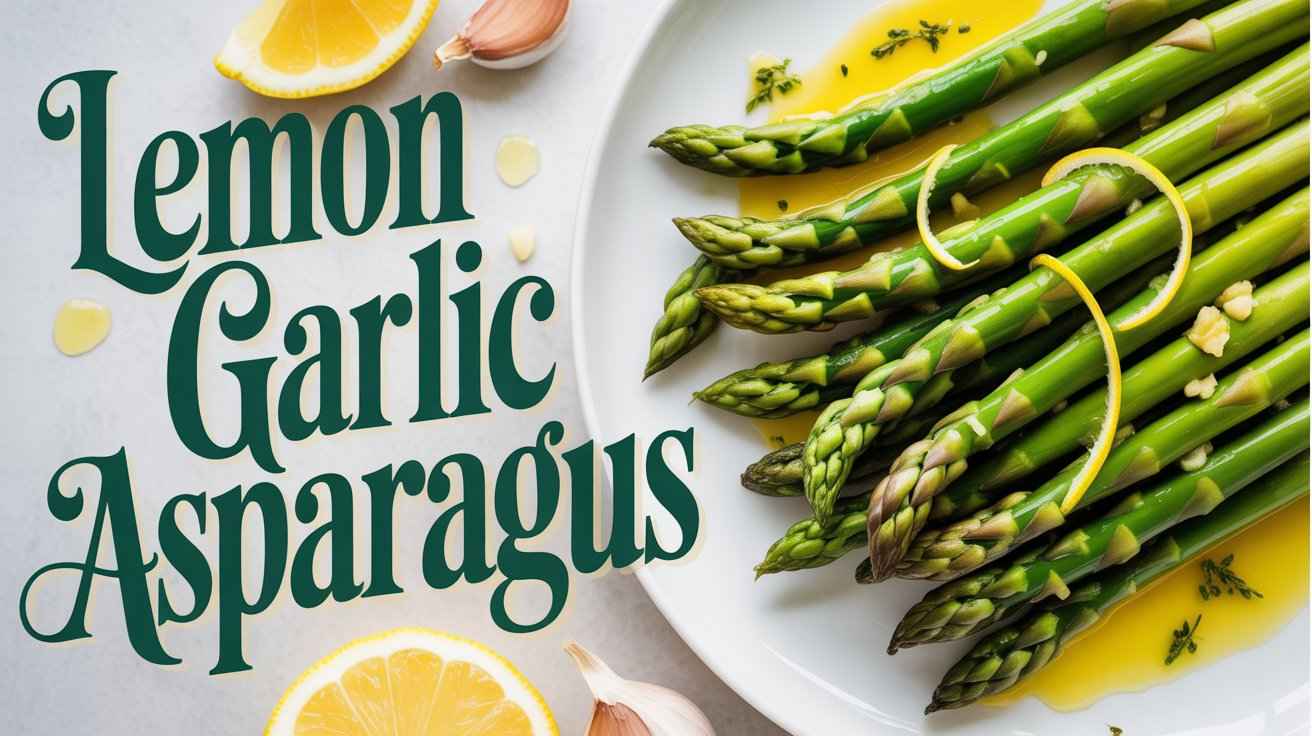
There are vegetables that feel like a genuine occasion every time they appear on the plate, and asparagus is undeniably one of them — elegant, distinctive, and possessed of a flavor so uniquely its own that no other vegetable quite replicates it. But as beautiful as asparagus is on its own, pair it with the bright, clean acidity of fresh lemon and the deep, savory warmth of garlic cooked until fragrant and golden, and you have something that transcends the category of simple side dish entirely. This Lemon Garlic Asparagus is the kind of recipe that makes people stop and pay attention — tender spears with a slight, satisfying bite, kissed at the edges with a little color from the heat, coated in a glossy, buttery garlic pan sauce, and finished with a generous squeeze of fresh lemon juice and a scatter of bright zest that lifts every single element into something genuinely extraordinary. It comes together in under fifteen minutes, requires minimal ingredients, and works alongside almost anything — roasted chicken, grilled fish, pan-seared steak, or a simple vegetarian spread. Effortless enough for a weeknight dinner and impressive enough for a dinner party, this is the asparagus recipe that belongs in every kitchen permanently.
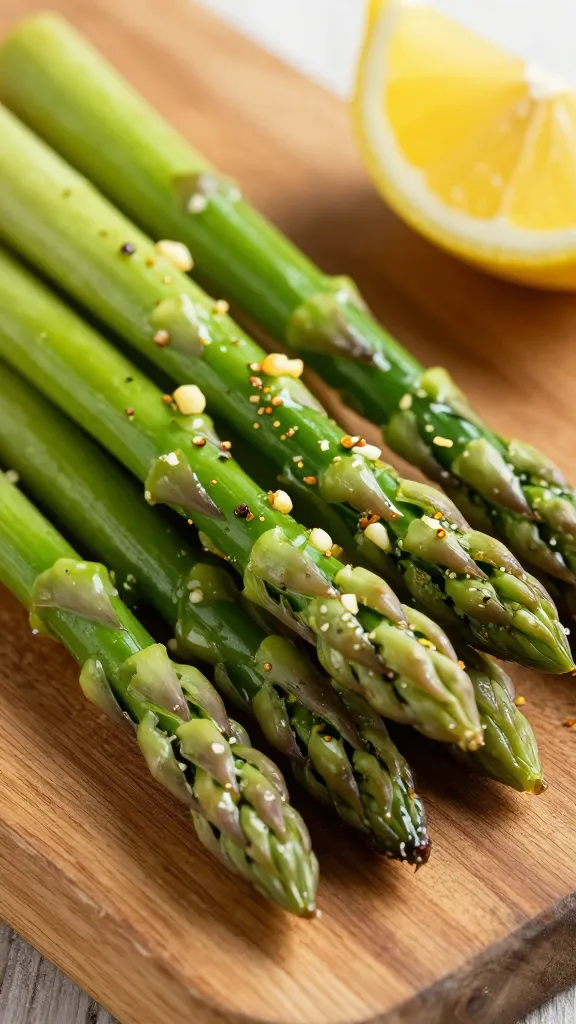
First things first: why bother with asparagus? Because when done right, it’s crunchy, vibrant, and downright addictive. Add lemon and garlic, and you’ve got a duo that punches up the flavor without overpowering the veggie’s natural sweetness. Plus, it’s stupidly easy to make—no fancy techniques required.
The Magic of Lemon + Garlic
Lemon brightens. Garlic deepens. Together, they create a balance that makes even the most veggie-skeptic folks reach for seconds. Pro tip: Use fresh lemon juice (not the bottled stuff) and real garlic cloves (not powder) for maximum impact.
How to Pick the Best Asparagus
Not all asparagus is created equal. Here’s how to avoid the sad, limp stalks:
- Look for firm spears: Bend one—it should snap, not droop.
- Check the tips: Tight, compact buds mean freshness. Mushy? Hard pass.
- Go thick or thin? Thicker stalks are meatier; thinner ones cook faster (your call).
The Foolproof Lemon Garlic Asparagus Recipe
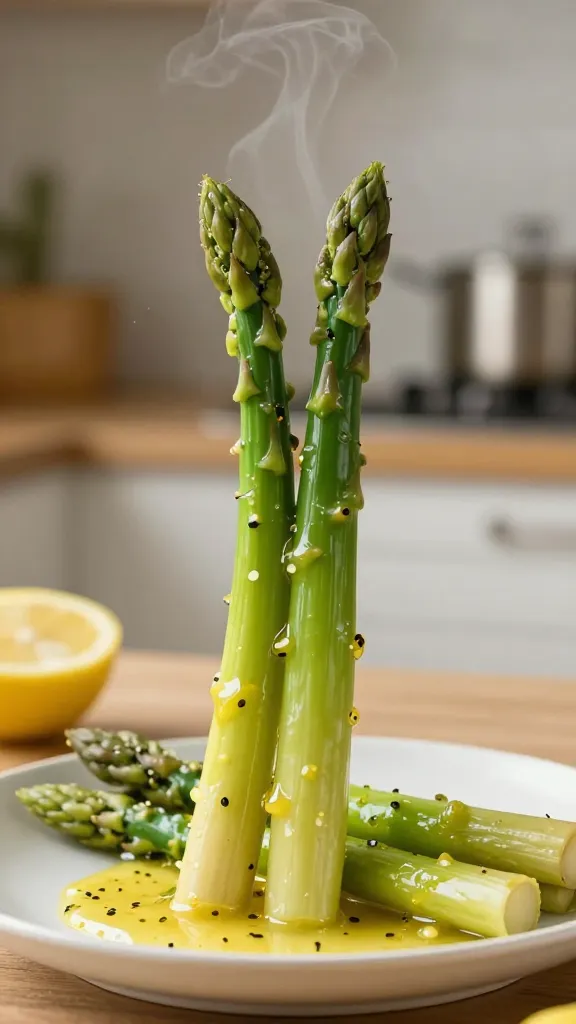
Here’s the no-fail method to make asparagus that’ll steal the show:
- Prep: Trim ends, rinse, and pat dry.
- Toss: Drizzle with olive oil, minced garlic, salt, and pepper.
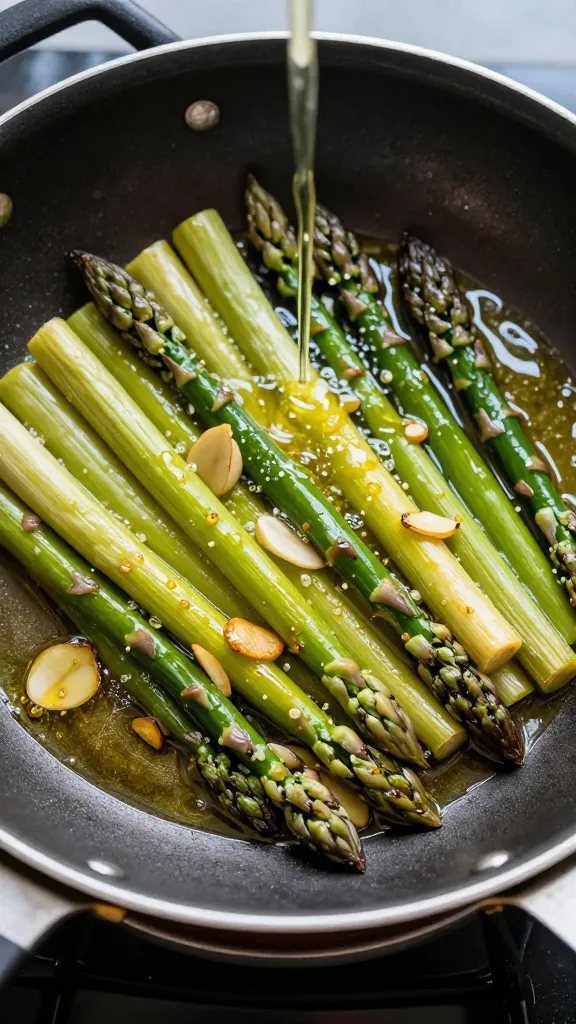
- Roast or sauté: 10-12 mins at 400°F (roast) or 5-7 mins in a pan (sauté).
- Finish: Squeeze fresh lemon juice and zest over the top. Boom—done.
Pro Tips for Extra Wow Factor
- Add grated Parmesan during the last 2 minutes of cooking.
- Toss in red pepper flakes for heat.
- Finish with toasted almonds for crunch.
Pairing Ideas: What to Serve With Your Asparagus
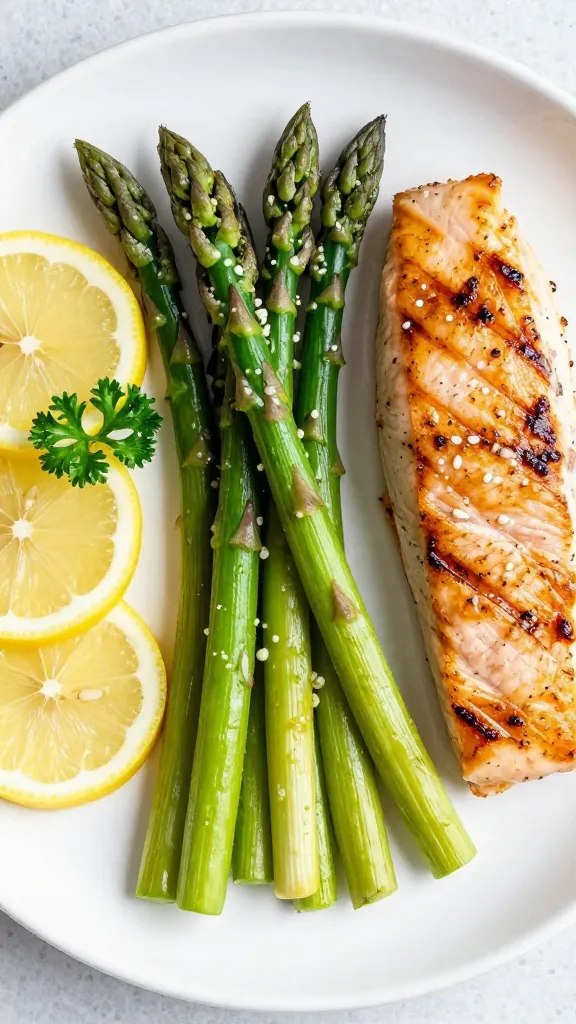
This dish plays well with others. Try it alongside:
- Grilled chicken: A classic, foolproof combo.
- Salmon: The lemon ties everything together.
- Pasta: Toss it into a lemony Alfredo for a veggie boost.
Common Asparagus Mistakes (And How to Avoid Them)
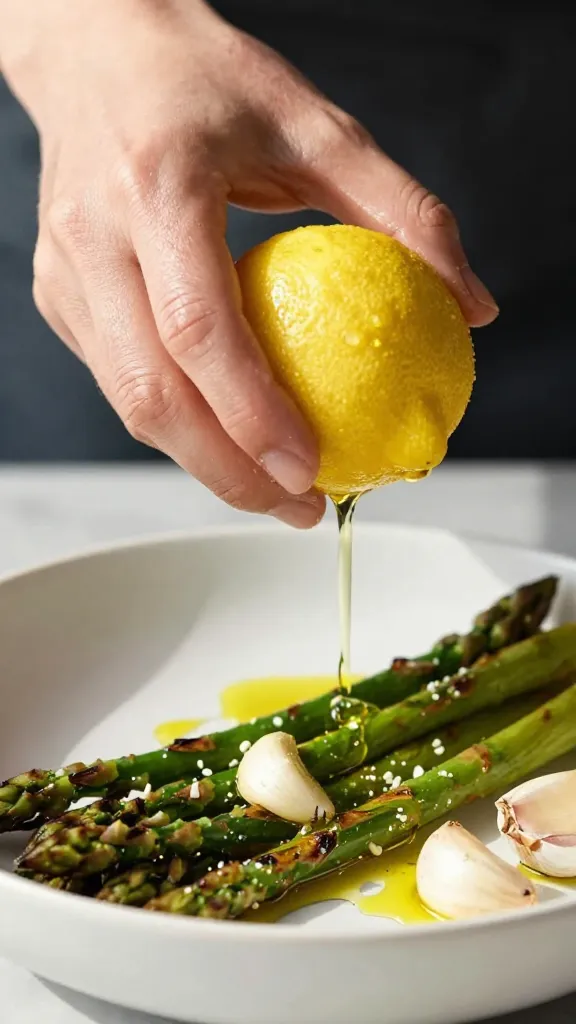
Even the best recipes can go sideways. Here’s what not to do:
- Overcooking: Asparagus should be crisp-tender, not soggy.
- Skipping the acid: Lemon isn’t optional—it’s the flavor lifeline.
- Using old garlic: Fresh cloves or bust.
FAQs
How do I choose the freshest asparagus at the grocery store?
Look for firm, bright green spears with tightly closed, compact tips — any flowering or spreading of the tips is a reliable sign that the asparagus is past its prime and will taste woody and flat. The cut ends should look relatively fresh and moist rather than dried out, shriveled, or hollow. Thin spears tend to be more tender and cook faster, while thicker spears have a meatier bite and slightly more robust flavor — both work well in this recipe, though cooking times will differ.
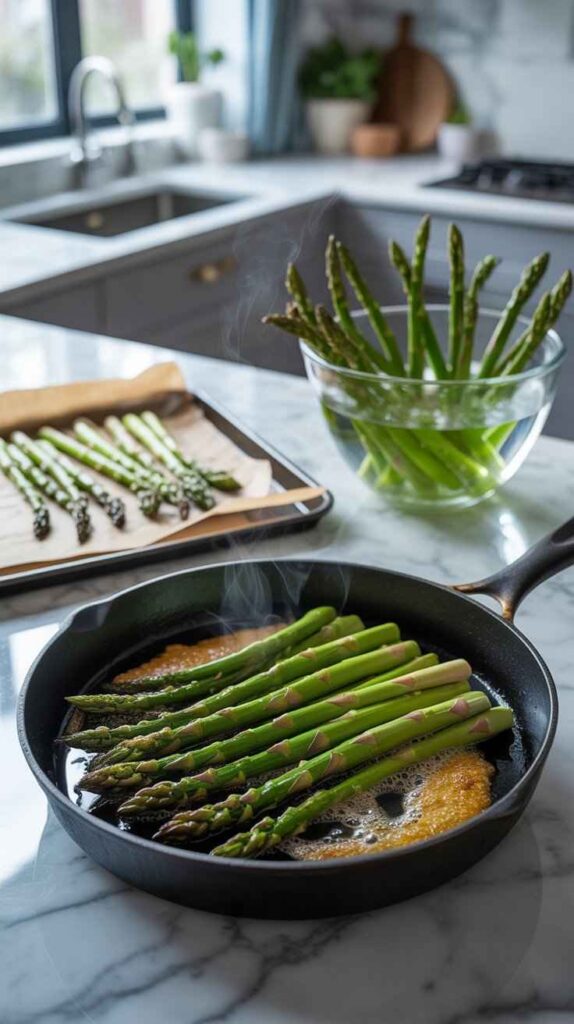
How do I properly trim asparagus before cooking?
The woody, fibrous base of each asparagus spear is tough, stringy, and unpleasant to eat — the simplest way to find the natural breaking point is to hold the spear at both ends and bend it gently until it snaps, as it will naturally break at exactly the right point where the tender part begins. If you are trimming a large batch, use the first snapped spear as a guide and line up the remaining spears to cut them all at the same point with a knife. Peeling the lower third of thicker spears with a vegetable peeler is an optional but worthwhile step that removes any remaining fibrous outer layer and results in a more uniformly tender texture throughout.
What is the best cooking method for lemon garlic asparagus — roasting, sautéing, or blanching?
Sautéing in a hot pan gives you the best combination of speed, caramelization, and flavor development for this particular recipe — the direct contact with a hot pan creates light browning on the spears that adds a depth and nuttiness that neither blanching nor steaming can replicate. Roasting at high heat is an excellent alternative that produces a slightly more concentrated, deeper flavor with beautifully charred tips, though it takes longer. Blanching produces the most vibrant green color and the crispest texture but does not develop any of the caramelized, savory flavor that makes this dish so distinctive.
How do I prevent garlic from burning when cooking asparagus?
Garlic burns quickly because of its high sugar content, and burnt garlic turns intensely bitter and can ruin the entire dish — always add the garlic after the asparagus has been cooking for a couple of minutes rather than at the very start. Keep the heat at medium rather than high once the garlic goes in, and move it constantly around the pan so it cooks evenly without sitting in one hot spot long enough to scorch. If the garlic begins to darken too quickly, a small splash of water, broth, or lemon juice added to the pan will immediately lower the temperature and prevent it from burning.
How do I know when asparagus is perfectly cooked and not overdone?
Perfectly cooked asparagus should be bright green, tender enough to pierce easily with a fork, but still firm enough to hold its shape and offer a slight resistance when bitten — this is what chefs refer to as tender-crisp. Overcooked asparagus turns a dull, olive green color, becomes limp and mushy, and loses the fresh, grassy flavor that makes it so appealing. Start checking for doneness at around three to four minutes for thin spears and five to six minutes for thicker ones, as asparagus can go from perfectly cooked to overdone very quickly.
Fresh lemon juice or bottled — does it make a real difference in this recipe?
In a dish this simple where lemon is one of only a handful of key flavors, the difference between fresh and bottled lemon juice is genuinely significant and clearly noticeable. Fresh lemon juice is brighter, more complex, and has a natural fragrance that bottled juice — which is often more acidic and can carry a slightly stale or metallic edge — simply cannot match. Always use fresh lemons and include the zest as well, as the zest carries the aromatic oils that give the dish its most vibrant, perfumed citrus quality.
What type of pan works best for cooking lemon garlic asparagus?
A wide, heavy-bottomed skillet — stainless steel or cast iron — is the best choice because its surface retains and distributes heat evenly, which promotes consistent browning rather than hot spots that cook some spears faster than others. The pan should be large enough to hold the asparagus in a single layer without overcrowding, as spears piled on top of each other will steam rather than sauté and will not develop any color or caramelization. A non-stick pan is a functional alternative but will not produce the same depth of browning or the flavorful fond — the caramelized bits on the bottom of the pan — that makes the garlic butter sauce in this recipe so good.
Can I make lemon garlic asparagus ahead of time and reheat it?
Asparagus is genuinely best served immediately after cooking while it is still vibrant green, tender-crisp, and fragrant — reheating inevitably softens it further and dulls the color. If you need to prepare it partially ahead, blanch the asparagus briefly in boiling salted water until just barely tender, then plunge it into ice water to halt the cooking, dry it thoroughly, and finish the sauté with garlic and lemon just before serving. This approach gives you most of the prep work done in advance while preserving the texture and color of the final dish as much as possible.
Final Thoughts
Lemon Garlic Asparagus is the kind of side dish that quietly demonstrates what great cooking actually looks like at its most essential — not complexity for its own sake, not lengthy ingredient lists or elaborate technique, but simple, quality ingredients treated with care and a clear understanding of how flavors work together. The brightness of fresh lemon, the warmth of golden garlic, the natural elegance of tender asparagus — these are flavors that belong together so naturally it feels almost inevitable, as though the recipe has always existed and you are simply finally making it. It is the side dish that elevates a weeknight dinner into something that feels genuinely considered, that holds its own effortlessly alongside the most impressive of main courses, and that consistently earns the kind of quiet, appreciative attention that most side dishes never receive. Whether you are making it for the first time out of curiosity or returning to it for the hundredth time because nothing else quite hits the same way, the result is always the same — bright, fragrant, beautifully balanced, and completely satisfying from the very first bite. This is the recipe you reach for when you want something fast, simple, and reliably extraordinary every single time.