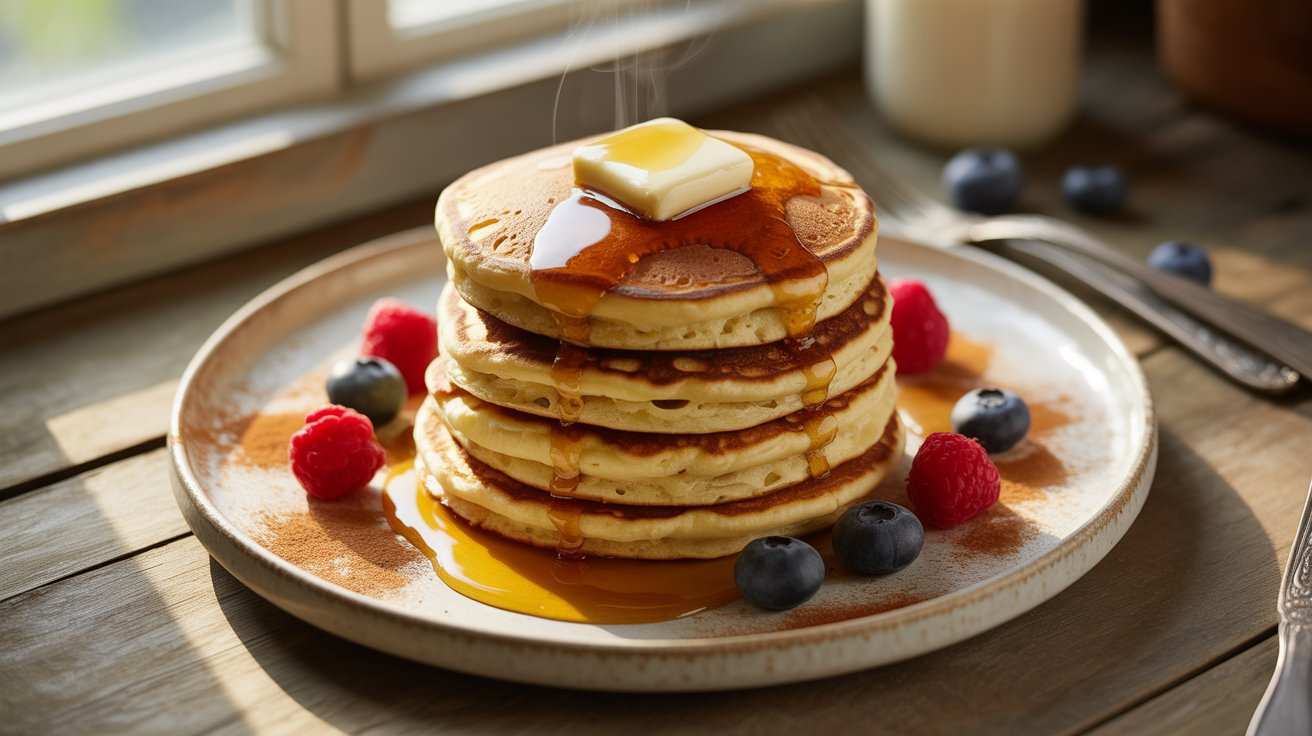
High-protein cottage cheese pancakes are the kind of breakfast that changes your morning routine permanently. They’re moist, slightly tangy, and have a golden, cake-like crumb that looks and tastes like traditional pancakes — but they’re grain-free, egg-free, and packed with protein from the cottage cheese base. No flour, no eggs, no guilt. Just a stack of warm, cinnamon-scented pancakes that happen to fit perfectly into keto and high-protein eating.
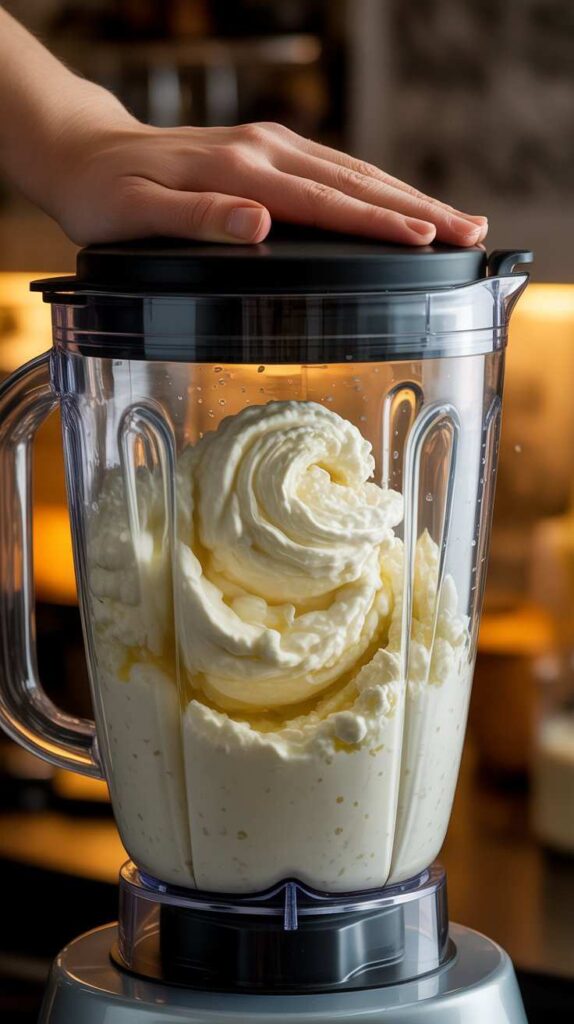
The secret is the blender. Thirty seconds on high transforms lumpy cottage cheese into a silky cream that becomes the batter’s foundation. Mix it with almond flour, a little baking powder, and some cinnamon, and you’ve got pancakes on the table in fifteen minutes with almost no effort.
Why This Recipe Works
This recipe replaces every traditional pancake ingredient with something better. Cottage cheese provides moisture, protein, and a subtle tang that keeps the pancakes from tasting flat. Blending it smooth eliminates the curd texture completely — no one will guess the base unless you tell them. Blanched almond flour gives a fine, tender crumb without any grittiness, and its natural fat content keeps things moist where regular flour would dry out. Baking powder provides the lift that eggs would normally handle, making these airy without needing a single one. Cooking low and slow lets the inside set gently while the outside develops a golden crust without burning.
In short, blended cottage cheese for moisture and protein, almond flour for structure, and patient heat for a golden finish.
What You’ll Need
1 cup small curd cottage cheese (full-fat, 4% for the best texture)
1 cup blanched almond flour
2 tablespoons melted butter (or coconut oil)
1 teaspoon cinnamon
1 teaspoon baking powder
1/2 teaspoon vanilla extract
Splash of almond milk (only if the batter is too thick)
Butter or coconut oil for greasing the pan
Equipment: high-speed blender, medium mixing bowl, non-stick skillet or griddle, spatula
Step-by-Step Instructions
Blend the cottage cheese. Place the cottage cheese, melted butter, and vanilla into a high-speed blender. Blend on high for 30 seconds until completely smooth and creamy — it should look like thick cream with no visible curds. This is the step that makes these pancakes indistinguishable from traditional ones. Skip the blender and you’ll taste and feel the lumpy curd texture in every bite.
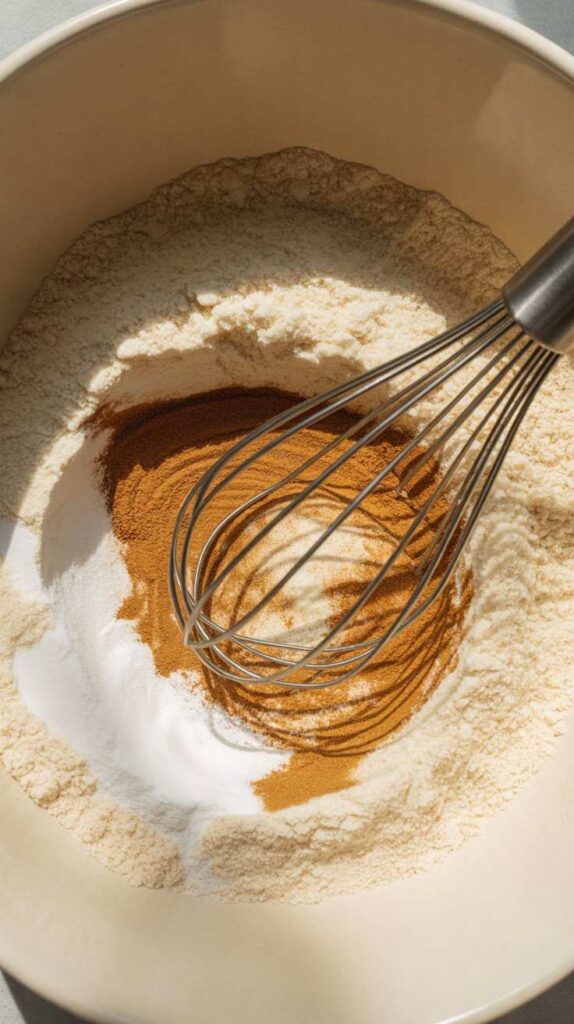
Mix the dry ingredients. In a medium bowl, whisk together the almond flour, cinnamon, and baking powder. Break up any clumps of almond flour — large lumps create weak spots that cause the pancakes to crack or fall apart during flipping.
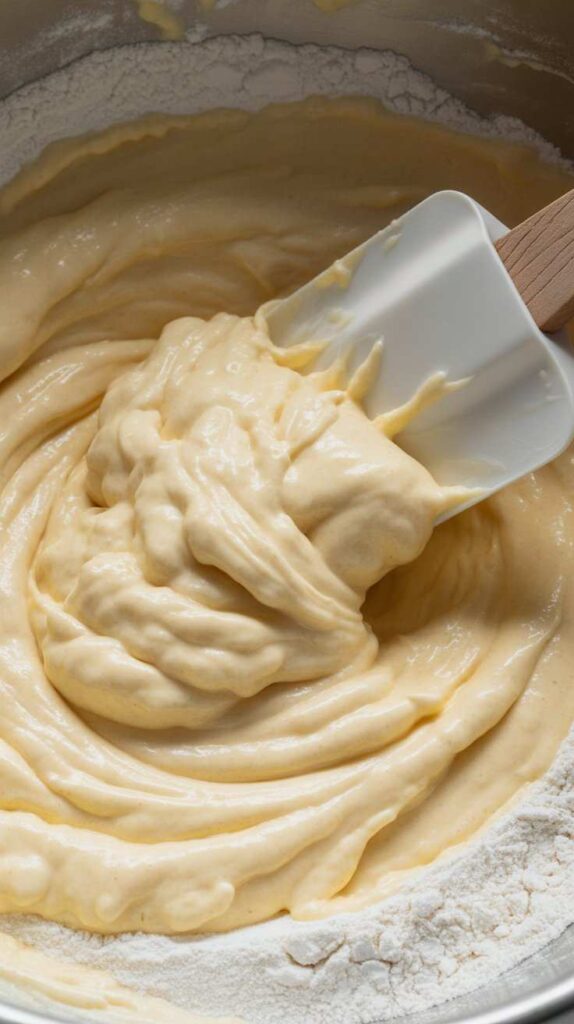
Fold together. Pour the blended cottage cheese mixture into the dry ingredients. Use a spatula to gently fold until just combined. The batter should be thick and scoopable. If it feels more like a paste than a batter, add almond milk one tablespoon at a time until it reaches a thick but pourable consistency. Don’t overmix — a few small streaks of flour are fine.
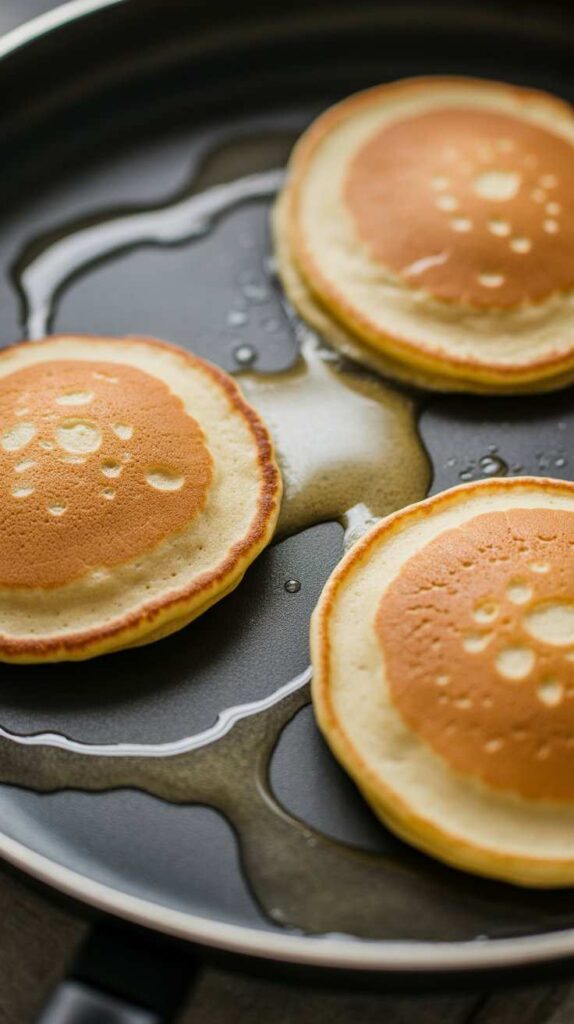
Cook low and slow. Heat a non-stick skillet or griddle over medium-low heat. Grease lightly with butter or coconut oil. Drop about 2 tablespoons of batter per pancake, keeping them small — roughly 3 inches wide. These pancakes are egg-free and more delicate than standard ones, so smaller sizes are much easier to flip cleanly.
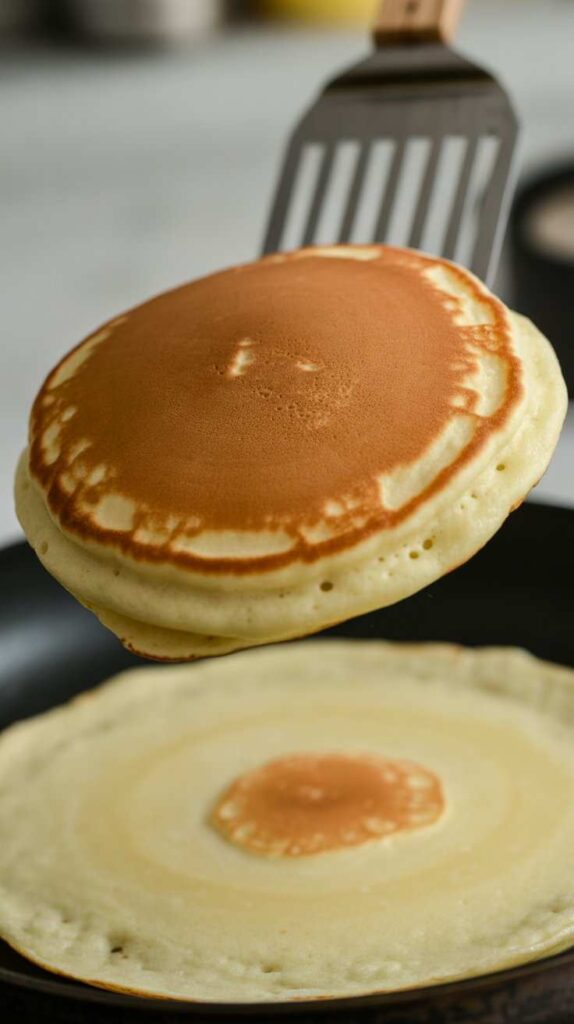
Watch for bubbles and flip. Cook for 3 to 4 minutes on the first side. You’ll see small bubbles forming around the edges and the surface beginning to set — that’s your cue. Slide a thin spatula underneath and flip in one quick, confident motion. Cook another 2 to 3 minutes until golden brown on the second side.
Stack and serve. Pile the pancakes high, top with a knob of butter and a generous dusting of cinnamon. Sugar-free maple syrup, fresh berries, or a dollop of extra cottage cheese on the side all work beautifully.
How to Store
Cooked pancakes keep in the refrigerator for up to 3 days with parchment between each one. Reheat in a dry skillet over medium heat for a minute per side to restore the golden crust — the microwave softens them. They freeze well for up to a month. Freeze flat on a tray first, then stack in a freezer bag. Toast straight from frozen for a quick weekday breakfast. The batter itself doesn’t hold — make it fresh each time for the best rise.
Health Benefits
High protein from cottage cheese: A cup of full-fat cottage cheese delivers roughly 25 grams of protein, making these pancakes a serious protein source that keeps you full well past mid-morning.
Healthy fats from almond flour: Blanched almond flour provides monounsaturated fats, vitamin E, and magnesium — nutrients that support heart health and sustained energy.
Low carb and grain-free: With no wheat flour or grains, these fit keto, low-carb, and grain-free plans while still tasting like a proper breakfast.
Egg-free binding: Cottage cheese and baking powder work together to bind and lift, making this accessible for anyone avoiding eggs.
Blood sugar stability: The combination of protein, healthy fats, and minimal carbohydrates keeps blood sugar steady, avoiding the spike-and-crash of traditional pancakes.
Pitfalls to Watch Out For
Skipping the blender: The most important step. Unblended cottage cheese leaves visible curds that affect both texture and appearance. Thirty seconds on high is all it takes.
Heat too high: Almond flour browns faster than wheat flour. Medium-low is essential — anything higher burns the outside while the inside stays raw.
Pancakes too large: Without eggs, these are more fragile. Large pancakes fall apart when flipping. Keep them to 3 inches and they hold together perfectly.
Overmixing: Aggressive stirring produces dense, gummy pancakes. Fold gently until just combined.
Flipping too early: If edges aren’t set and you don’t see bubbles, the pancake will break. Wait the full 3 to 4 minutes before attempting the flip.
Low-fat cottage cheese: Reduced-fat versions produce drier, less flavourful pancakes. Full-fat gives the best moisture and binding.
Alternatives
Flavour variations: Swap cinnamon for pumpkin spice, or add a tablespoon of cacao powder for chocolate pancakes. Lemon zest and poppy seed is another excellent combination.
Coconut flour swap: Replace a quarter of the almond flour with coconut flour for a sweeter batter. Add extra almond milk to compensate for the extra absorption.
Add-ins: Fold in blueberries, chocolate chips, or chopped walnuts just before cooking for added texture in every bite.
Dairy-free version: Use a plant-based cottage cheese alternative and coconut oil instead of butter. The texture changes slightly but the method stays the same.
Savoury pancakes: Drop the cinnamon, vanilla, and sweetener. Add garlic powder, dried herbs, and grated Parmesan for a savoury version that works as a side dish.
Topping ideas: Sugar-free maple syrup, nut butter drizzle, Greek yogurt with honey, or a berry compote all pair perfectly with the tangy base.
FAQ
Can I Taste the Cottage Cheese?
Barely. Blending removes the curd texture, and cinnamon and vanilla mask any strong dairy tang. Most people can’t identify cottage cheese as the base.
Why Are My Pancakes Falling Apart?
Likely too large or the heat is too high. Keep them small, cook on medium-low, and wait for bubbles at the edges before flipping with a thin, wide spatula.
Can I Use Regular Flour Instead?
Yes, but it changes the dietary profile entirely. All-purpose flour makes them fluffier but no longer grain-free, keto, or low-carb. Use a 1:1 swap if macros aren’t a concern.
Do These Reheat Well?
Very well. A dry skillet on medium heat for a minute per side brings back the golden crust. They also toast nicely from frozen, making them great for meal prep.
Can I Add Eggs for Extra Binding?
You can but don’t need to. One egg makes flipping easier and the pancakes slightly fluffier, but cottage cheese and baking powder handle binding and lift on their own.
How Many Pancakes Does This Make?
Six to eight small pancakes at 2 tablespoons of batter each. A generous single serving or a lighter portion for two, especially when topped with berries and syrup.
Wrapping Up
High-protein cottage cheese pancakes are simple, satisfying, and a genuine surprise for anyone expecting grain-free pancakes to taste like cardboard. A quick blend, a gentle fold, and patient low heat deliver a golden stack that’s moist, protein-packed, and completely addictive. Keep them small, keep the heat down, and don’t skip the blender. Once you’ve made a batch, regular pancakes feel like a lot of effort for a lot less protein.