There is a particular kind of satisfaction that comes from pulling a bubbling, golden lasagna out of the oven — the cheese crisped and caramelised at the edges, the sauce visibly active beneath it, the whole kitchen filled with an aroma that makes everyone wander in from whatever they were doing and ask when dinner is ready. This Mushroom and Spinach Lasagna with Béchamel Sauce delivers that moment every single time. And it does it without a single piece of meat, which is the detail that tends to surprise people most when they taste it.
Jump to RecipeThis is not a lasagna that sacrifices anything in the name of being vegetarian. The mushroom and leek filling is deeply savoury, rich with umami, and given a gentle warmth from red pepper flakes that makes every layer interesting. The baby spinach wilts into the filling and adds colour, nutrition, and a quiet earthiness that balances the meatiness of the mushrooms beautifully. And the béchamel — smooth, buttery, lightly seasoned — is the element that holds the entire structure together, binding the layers into a cohesive, creamy bake that is luxurious in every sense of the word.
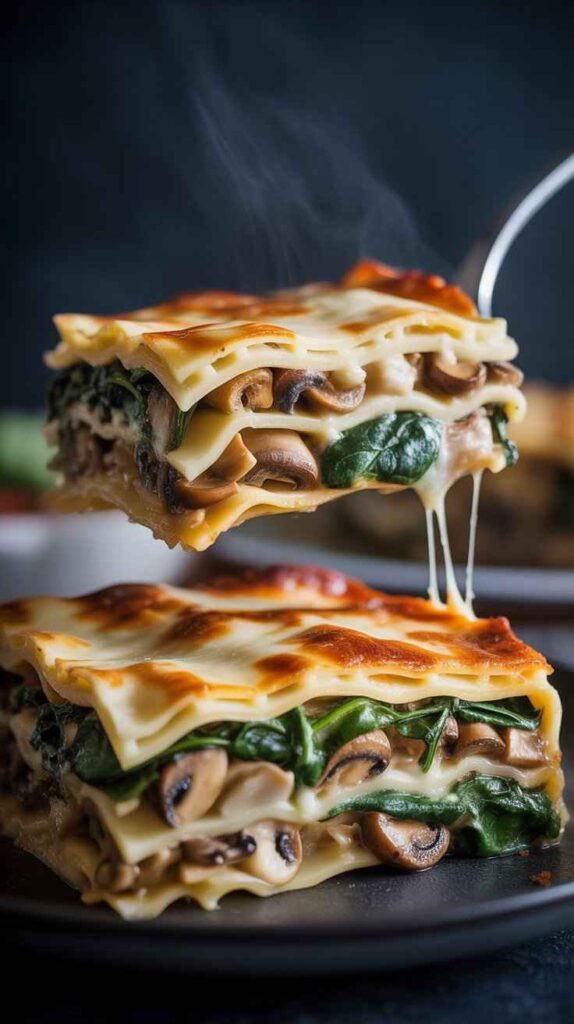
Layered three to four times deep and finished with a generous blanket of mozzarella and Parmesan baked to golden perfection, this lasagna is the kind of centrepiece dish that earns its place at dinner parties, Sunday family lunches, and any occasion where the food itself should be an expression of care and generosity. Vegetarian cooking at its most impressive and most satisfying.
Recipe at a Glance
| Detail | Info |
|---|---|
| Cuisine | Italian-Inspired |
| Course | Main Course |
| Difficulty | Intermediate |
| Servings | 6 |
| Prep Time | 20 minutes |
| Cook Time | 55 minutes |
| Total Time | Approximately 1 hour 15 minutes |
| Calories per Serving | Approximately 380–420 kcal |
Why This Lasagna Stands Apart
Most vegetarian lasagnas fall into one of two traps — either they are too wet, with watery fillings that make the noodles soggy and the layers collapse when served, or they are too dry, with not enough sauce to bind everything together into something cohesive and satisfying. This recipe avoids both problems through careful technique.
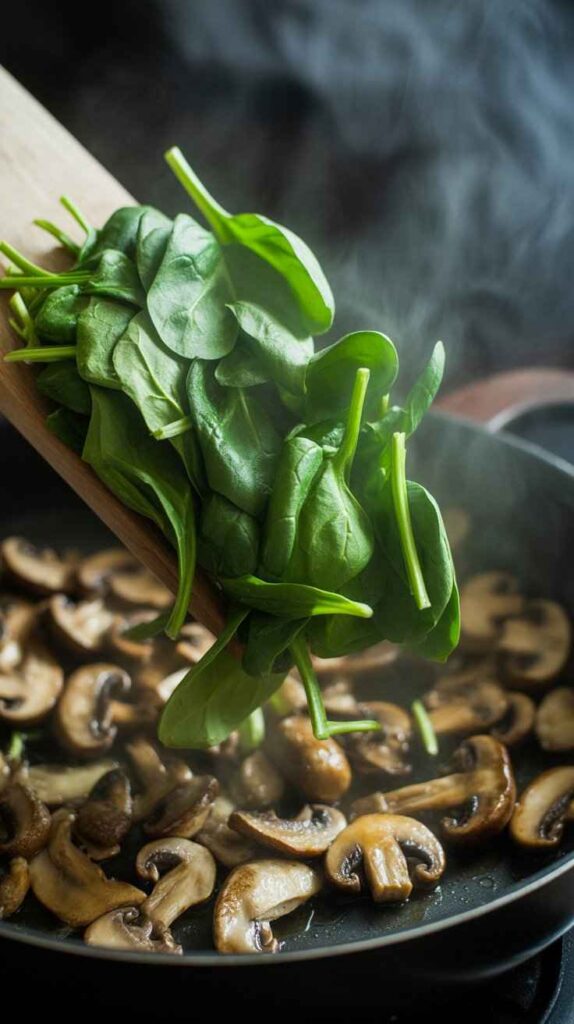
Jump to RecipeThe mushroom filling is cooked over medium-high heat for a full 10 minutes before any other ingredient is added. This is the step that drives off the moisture that mushrooms release as they cook, concentrating their flavour and preventing a watery lasagna. By the time the spinach goes in, the filling is golden, fragrant, and deeply savoury — the opposite of bland.
The béchamel is used generously and at every layer, which means every forkful of lasagna carries that smooth, creamy richness throughout rather than just at the top. The combination of mozzarella for melt and Parmesan for sharp, salty depth creates a cheese topping that is genuinely hard to improve upon. The result is a lasagna with structure, flavour, and the kind of satisfying richness that makes it feel like proper comfort food — which is exactly what it is.
Ingredients
(Serves 6)
For the Mushroom and Spinach Filling:
- 2 tbsp olive oil
- 1 leek, trimmed and finely sliced
- 500g mixed mushrooms, sliced (cremini, portobello, or a wild mix all work beautifully)
- 150g baby spinach
- 1 tsp salt
- 1 tsp dried garlic (or 2 fresh garlic cloves, minced)
- ½ tsp red pepper flakes
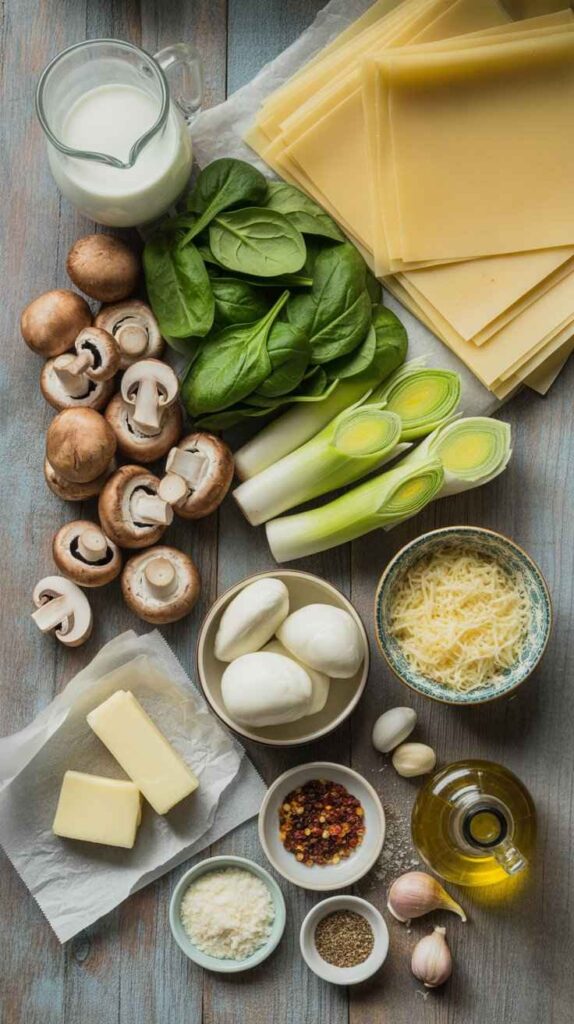
For the Béchamel Sauce:
- 4 tbsp butter
- 4 tbsp all-purpose flour
- 1 litre whole milk
- ½ tsp salt
- ½ tsp black pepper
- A pinch of nutmeg
For Assembly:
- Lasagna noodles, dry or fresh (enough for 3 to 4 layers in a 9×13-inch dish)
- 150g mozzarella, shredded
- 50g Parmesan, freshly grated
- A few sautéed mushrooms for decorating the top (optional)
How to Make Mushroom and Spinach Lasagna with Béchamel Sauce
Step 1 — Make the Béchamel Sauce
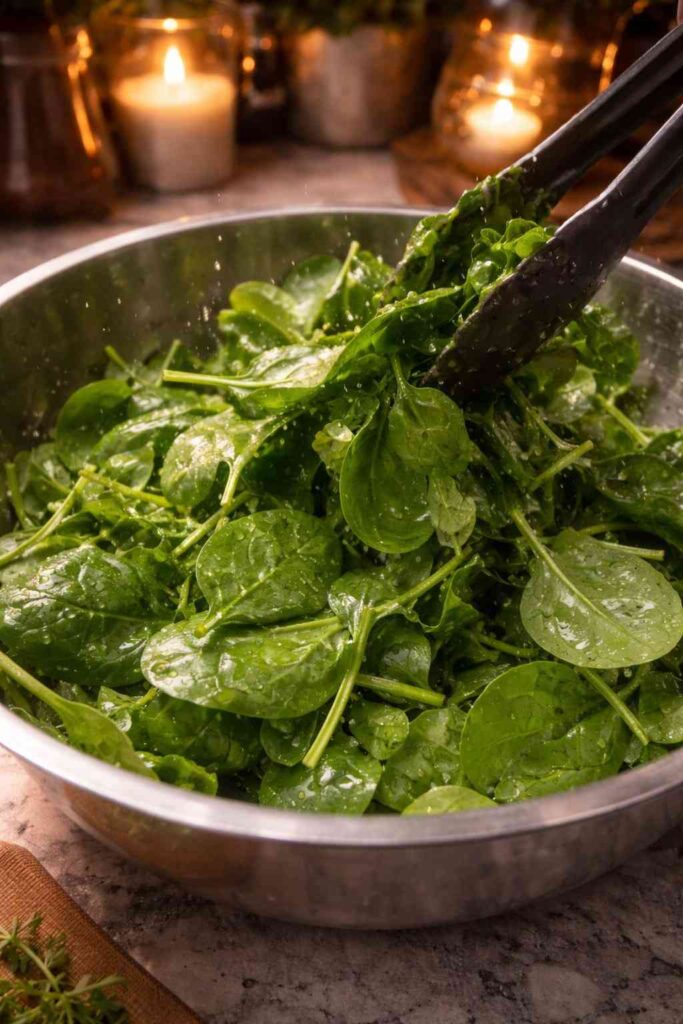
Begin with the béchamel so it is ready when needed. Melt the butter in a medium saucepan over medium heat. Once it has fully melted and started to foam gently, add all the flour at once. Whisk immediately and vigorously, cooking the flour and butter together for about 1 minute. This forms the roux and cooks out the raw flour flavour — a step that is essential for a smooth, well-flavoured sauce.
Jump to RecipeBegin adding the milk gradually, pouring in a small amount at a time and whisking thoroughly between each addition. The gradual approach is non-negotiable — adding the milk too quickly is the primary cause of a lumpy béchamel. Once all the milk has been incorporated and the sauce is smooth, continue to cook over medium heat, stirring constantly, for 4 to 5 minutes until the sauce has thickened to a consistency that coats the back of a spoon. Season with salt, black pepper, and a pinch of nutmeg. Remove from the heat and set aside.
Step 2 — Prepare the Mushroom and Spinach Filling
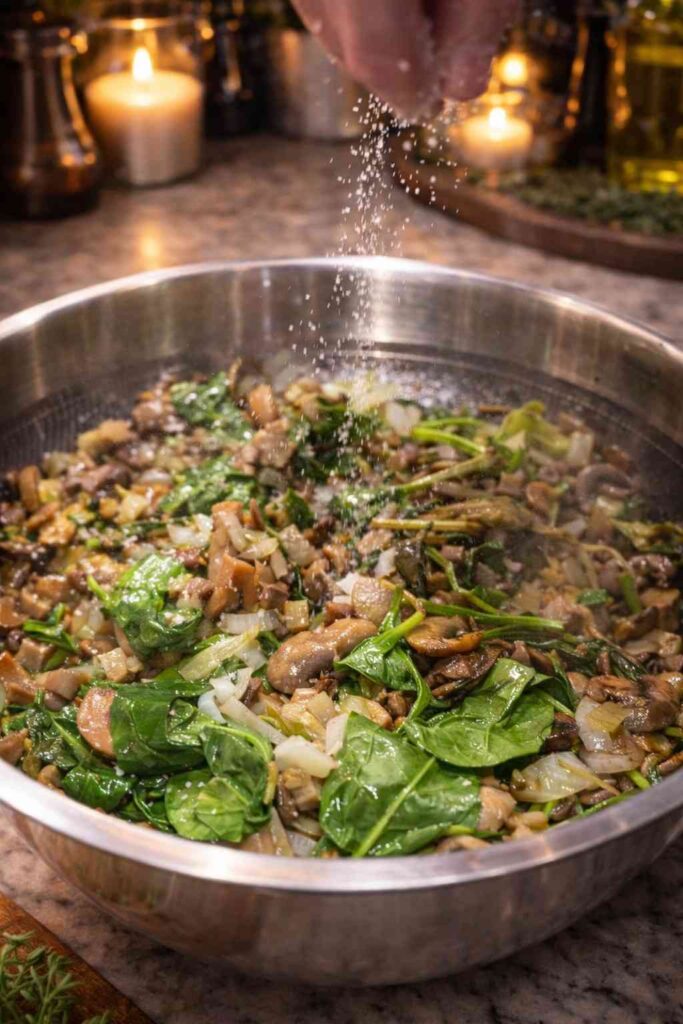
Heat the olive oil in a large skillet over medium-high heat. Once the oil is hot and shimmering, add the sliced leek and mushrooms together. Spread them across the pan as evenly as possible and cook for 10 minutes, stirring occasionally, until the mushrooms have released all their moisture, that liquid has fully evaporated, and the mushrooms have turned deeply golden and slightly caramelised at the edges.
High heat and patience at this stage are what separate a flavourful, golden filling from a pale, watery one. Do not be tempted to reduce the heat or add the spinach too early — let the mushrooms cook all the way through to golden before moving on.
Add the baby spinach, salt, dried garlic, and red pepper flakes. Stir everything together and cook for a further 5 minutes until the spinach has completely wilted and integrated into the filling. The volume will reduce dramatically — this is expected. Taste the filling and adjust seasoning if needed. Remove from the heat and set aside.
Step 3 — Preheat and Prepare the Dish
Preheat your oven to 170°C (340°F / Gas Mark 3). Lightly grease a 9×13-inch (23x33cm) baking dish with a small amount of butter or olive oil. Having the baking dish ready before you begin assembling makes the layering process much smoother and more efficient.
Jump to RecipeIf you are using dry lasagna noodles that require boiling, cook them in well-salted water until just al dente — slightly undercooked is better at this stage as they will continue to soften in the oven. Fresh lasagna noodles can go in directly without any pre-cooking.
Step 4 — Assemble the Lasagna
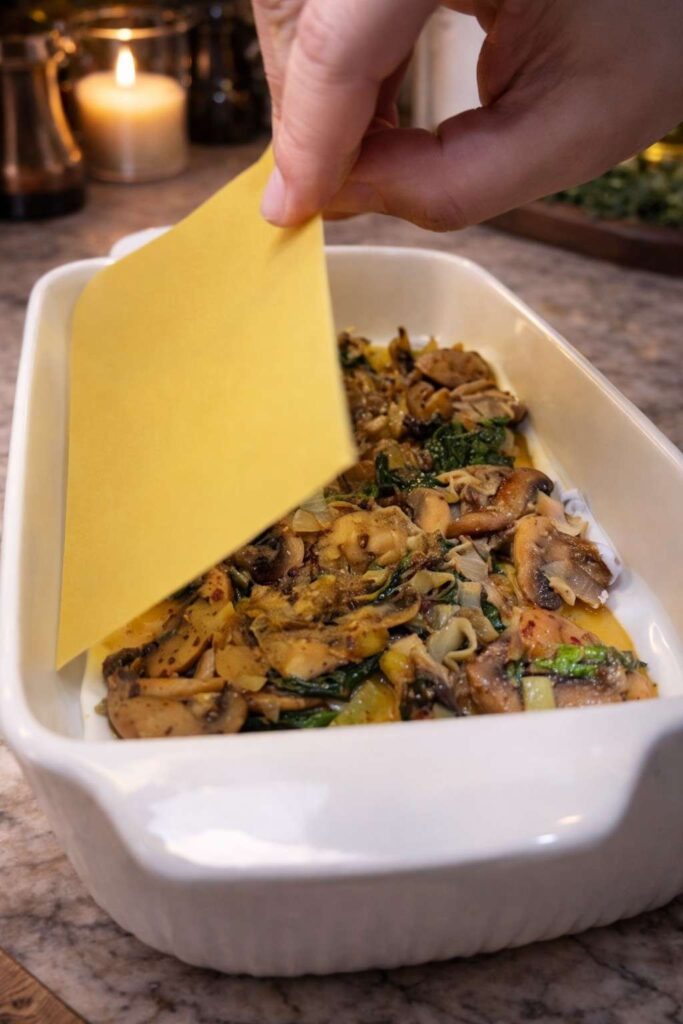
Spread approximately half a cup of béchamel sauce in a thin, even layer across the base of the prepared baking dish. This bottom layer of béchamel prevents the noodles from sticking to the dish and ensures the bottom layer of pasta stays moist and tender throughout baking.
Lay a single layer of lasagna noodles over the béchamel, trimming the edges with scissors or a knife if needed to fit the dish neatly. Spread another thin layer of béchamel over the noodles, followed by a generous, even layer of the mushroom and spinach filling.
Add another layer of noodles over the filling, pressing down gently. Repeat the process — béchamel, filling, noodles — continuing until all the filling has been used. This typically produces 3 to 4 complete layers depending on the depth of your dish and the thickness of your filling layers.
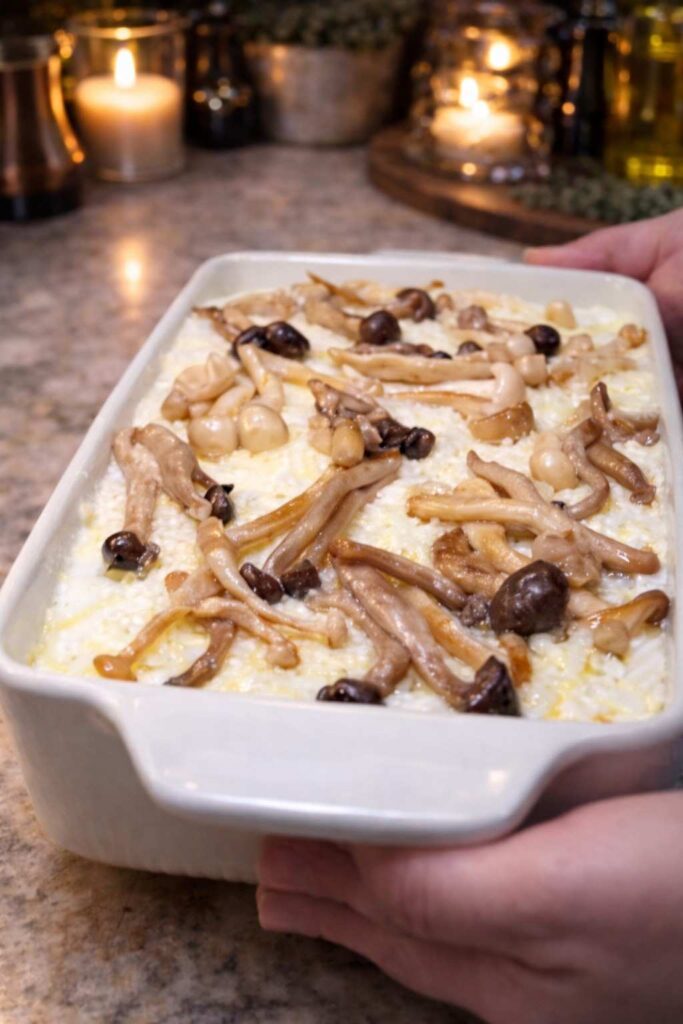
Jump to RecipeFinish with a final layer of noodles across the top. Pour the remaining béchamel sauce evenly over this top layer, covering the entire surface generously. Scatter the shredded mozzarella evenly over the béchamel, followed by the grated Parmesan. If you have prepared a few extra sautéed mushrooms for decoration, arrange them across the top now for a beautiful visual finish.
Step 5 — Bake to Golden Perfection
Cover the baking dish first with a layer of parchment paper, then with aluminium foil on top — the parchment prevents the foil from touching and sticking to the cheese during the initial covered bake. Seal the edges firmly.
Place the covered dish in the preheated oven and bake at 170°C for 30 minutes. After 30 minutes, carefully remove the foil and parchment and increase the oven temperature to 200°C (390°F). Return the uncovered dish to the oven and bake for a further 10 minutes until the cheese on top is deeply golden, bubbling, and crisped at the edges.
Step 6 — Rest and Serve
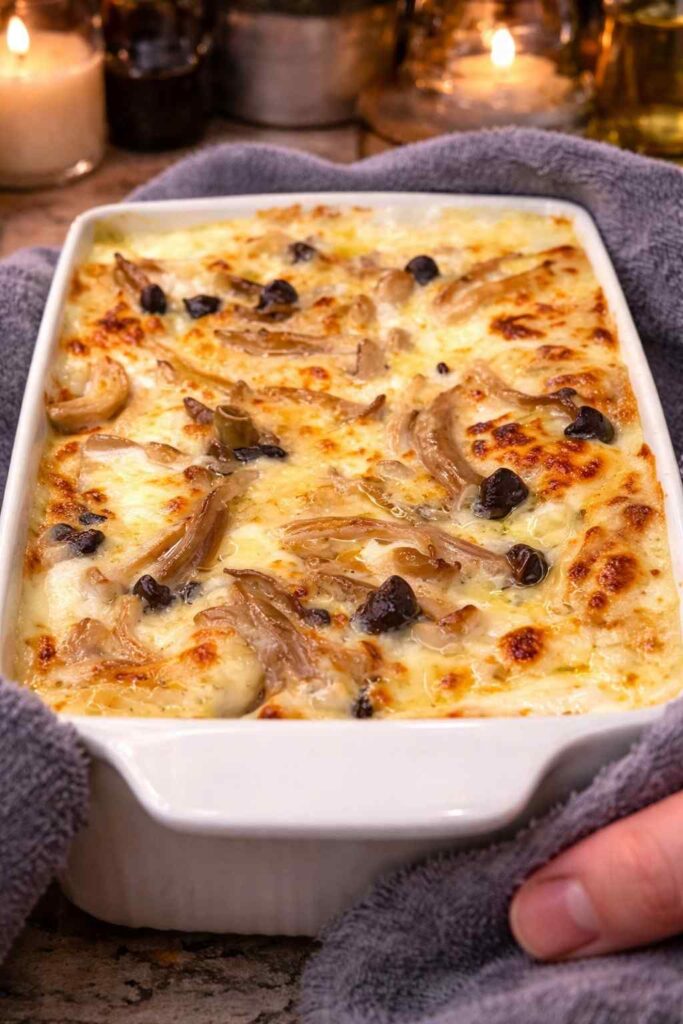
Remove the lasagna from the oven and allow it to rest for 5 to 10 minutes before cutting. This resting time is important — it allows the layers to settle and firm up slightly, making clean, neat slices possible. A lasagna cut immediately out of the oven will be too soft to portion neatly. Serve hot directly from the baking dish.
Mushroom and Spinach Lasagna with Béchamel Sauce
Rich, layered comfort with golden mushrooms, wilted spinach, and creamy béchamel
Ingredients — Mushroom & Spinach Filling
- 2 tbsp olive oil
- 1 leek, trimmed and finely sliced
- 500g mixed mushrooms, sliced (cremini, portobello, or wild mix)
- 150g baby spinach
- 1 tsp salt
- 1 tsp dried garlic (or 2 fresh cloves, minced)
- ½ tsp red pepper flakes
Ingredients — Béchamel Sauce
- 4 tbsp butter
- 4 tbsp all-purpose flour
- 1 litre whole milk
- ½ tsp salt · ½ tsp black pepper
- Pinch of nutmeg
For Assembly
- Lasagna noodles dry or fresh (enough for 3–4 layers)
- 150g mozzarella, shredded
- 50g Parmesan, freshly grated
- A few sautéed mushrooms for topping (optional)
Instructions
- Make the Béchamel SauceMelt butter over medium heat, whisk in flour and cook for 1 minute. Gradually add milk, whisking thoroughly between each addition. Cook for 4–5 minutes until the sauce thickens and coats the back of a spoon. Season with salt, pepper, and a pinch of nutmeg.Add the milk gradually — this is non-negotiable for a smooth, lump-free béchamel.
- Prepare the Mushroom & Spinach FillingHeat olive oil over medium-high heat. Add sliced leek and mushrooms, cook for 10 minutes until all moisture has evaporated and mushrooms are deeply golden. Add baby spinach, salt, dried garlic, and red pepper flakes. Cook 5 more minutes until spinach is fully wilted.Don't rush the mushrooms — pale, steamed mushrooms make a flat, watery filling. Golden and caramelised is what you're after.
- Preheat & Prepare the DishPreheat oven to 170°C (340°F). Lightly grease a 9x13-inch baking dish. If using dry lasagna noodles, boil until just al dente — they'll continue softening in the oven. Fresh noodles go in directly without pre-cooking.
- Assemble the LasagnaSpread half a cup of béchamel across the base of the dish. Layer noodles, béchamel, then mushroom-spinach filling. Repeat for 3–4 layers. Finish with a final layer of noodles, pour remaining béchamel over the top, then scatter with mozzarella and Parmesan.The thin béchamel layer on the base prevents the bottom noodles from sticking and keeps them tender throughout baking.
- Bake to Golden PerfectionCover with parchment paper then foil on top. Bake covered at 170°C for 30 minutes. Remove the foil and parchment, increase heat to 200°C (390°F), and bake uncovered for 10 more minutes until the cheese is deeply golden, bubbling, and crisped at the edges.The parchment-under-foil trick prevents cheese from sticking to the foil during the covered bake — don't skip it.
- Rest and ServeRest for 5–10 minutes before cutting. This allows the layers to settle and firm up for clean, neat slices. Serve hot directly from the baking dish.
Tips for the Best Results
- Cook the mushrooms until genuinely golden — this is what gives the filling its deep, savoury flavour.
- Use a mix of mushrooms (cremini, portobello, wild) for more complexity and visual interest.
- Season each layer individually — béchamel, filling, and pasta water should all be properly seasoned.
- Use parchment under foil to prevent cheese sticking during the covered bake.
- Rest for at least 5–10 minutes before slicing — it's the difference between neat portions and a collapsed mess.
Tips for the Best Results
- Cook the mushrooms until genuinely golden. Pale, steamed mushrooms will make the filling taste flat and watery. Golden, caramelised mushrooms taste deeply savoury and hold their texture through the baking process.
- Use a mix of mushrooms. A combination of cremini, portobello, and wild mushrooms adds complexity and visual interest to the filling that single-variety mushrooms can’t match.
- Season each layer. The béchamel, the filling, and the pasta water should all be properly seasoned individually. Relying on the overall dish to balance under-seasoned components rarely works.
- The parchment and foil combination prevents the classic problem of cheese sticking to the foil during the covered bake — don’t skip it.
- Rest before cutting. Ten minutes of resting is the difference between tidy slices and a collapsed, runny mess on the plate.
Serving Suggestions
- A simple dressed green salad with a sharp lemon vinaigrette to cut through the richness
- Warm garlic bread or focaccia for scooping
- Roasted cherry tomatoes alongside for a burst of acidity
- A glass of crisp Italian white wine — Pinot Grigio or Verdicchio work beautifully
- Extra Parmesan and red pepper flakes on the table for finishing
Frequently Asked Questions
Can I use no-boil dry lasagna noodles? Yes, and they work very well in this recipe. No-boil noodles absorb moisture from the béchamel during baking, softening perfectly without any pre-cooking. Make sure there is sufficient béchamel at every layer — no-boil noodles need more moisture than pre-cooked noodles to hydrate properly. If in doubt, add an extra thin drizzle of béchamel between layers.
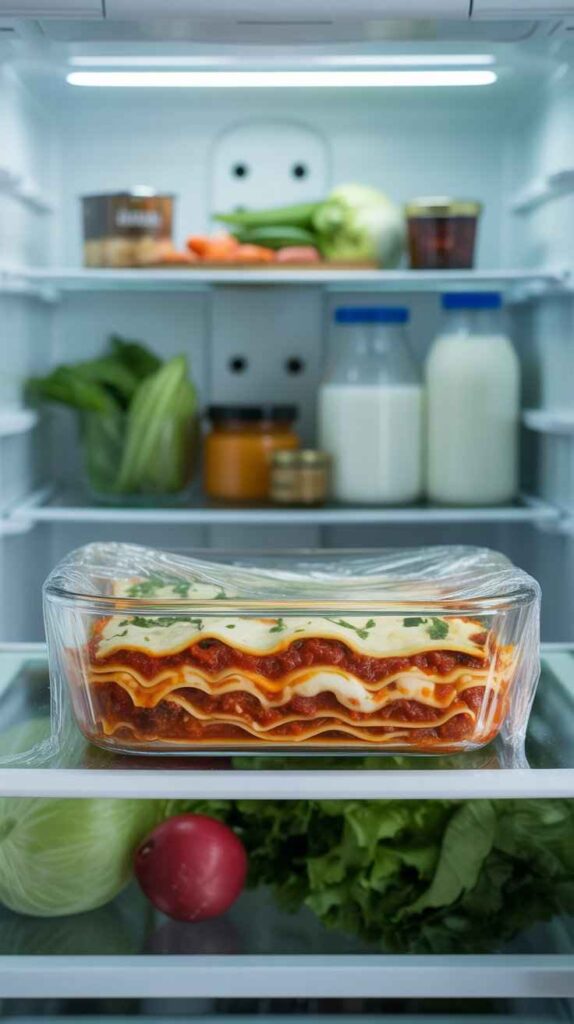
Can I make this lasagna ahead of time? Absolutely — and it is one of the recipe’s great strengths. Assemble the entire lasagna, cover tightly with cling film, and refrigerate for up to 24 hours before baking. Remove from the refrigerator 20 minutes before baking to take the chill off. Add 5 to 10 extra minutes to the covered baking time if going in cold from the refrigerator.
Jump to RecipeCan I freeze this lasagna? Yes. The assembled, unbaked lasagna freezes very well for up to 2 months. Wrap the baking dish tightly in two layers of cling film and freeze. To bake from frozen, remove the cling film, cover with parchment and foil, and bake at 170°C for 50 to 60 minutes covered, then remove the cover and bake at 200°C for a further 15 minutes until golden and bubbling throughout.
Can I add other vegetables to the filling? Yes, and this recipe is very accommodating. Diced courgette, roasted red pepper, artichoke hearts, or sun-dried tomatoes all integrate beautifully. Add heartier vegetables to the pan with the leeks and mushrooms so they have time to cook through. Softer additions like additional spinach or kale can go in with the original spinach.
What is the best mushroom mix to use? A combination of cremini mushrooms for their meaty texture, portobello for depth, and shiitake or oyster mushrooms for a more complex, savoury flavour produces the best result. Button mushrooms work well for a milder, more accessible flavour. Whatever you choose, slicing them thinly ensures they cook evenly and integrate well into the filling layers.
Can I make this dairy-free? The béchamel and cheese are central to the character of this lasagna, but dairy-free versions are achievable. Use plant-based butter and unsweetened oat milk or almond milk for the béchamel — oat milk produces the closest texture to a traditional sauce. Vegan mozzarella and nutritional yeast in place of Parmesan will give you a melted topping, though the flavour will be slightly different.
Final Thoughts
Mushroom and Spinach Lasagna with Béchamel Sauce is a recipe that deserves to be in every home cook’s permanent collection — not just as a vegetarian option, but as a genuinely outstanding lasagna in its own right. The golden, caramelised mushroom filling, the silky béchamel layered generously throughout, and that bubbling, golden cheese topping make this a bake that satisfies completely and impresses consistently. Whether you are cooking for vegetarians, for a crowd, or simply for yourself on a weekend when you want to make something truly worth eating, this lasagna delivers every single time. Make it once and you will find yourself returning to it again and again — because some recipes simply earn that place.