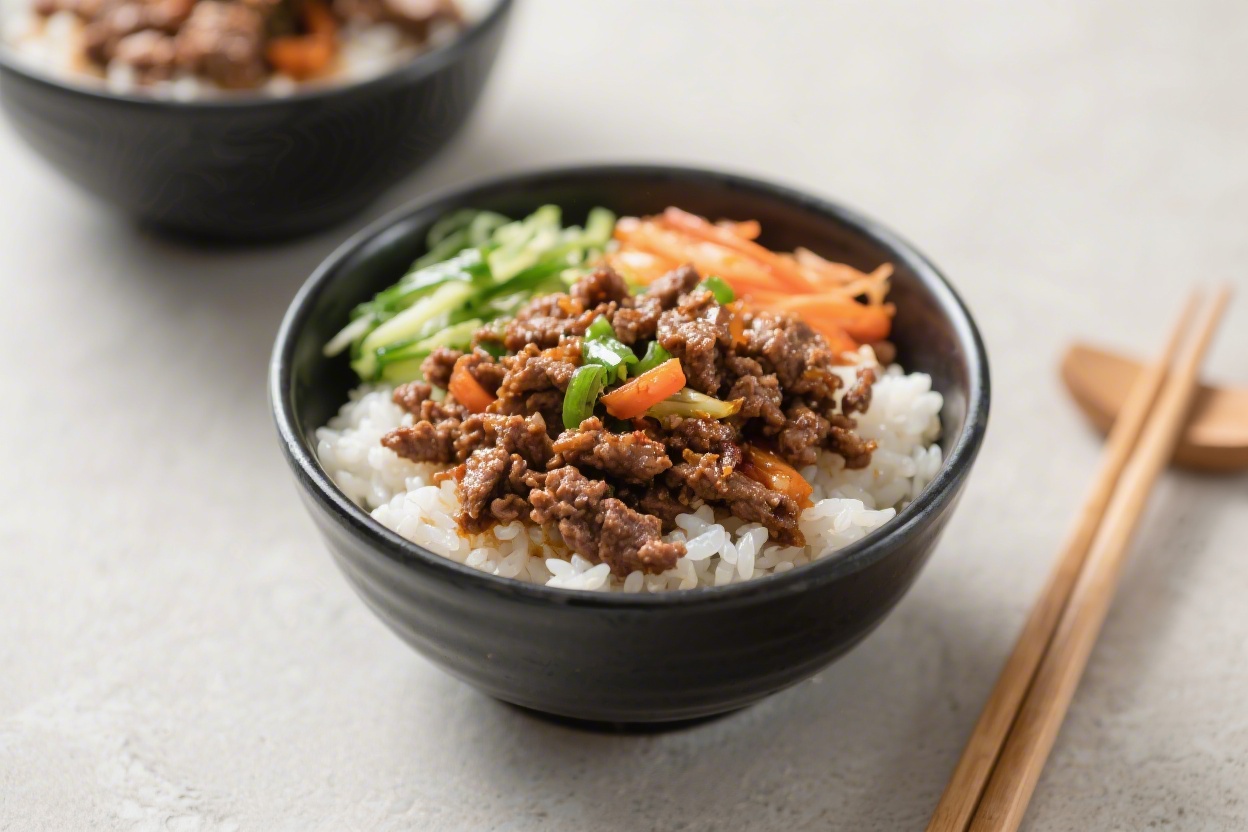
If you’re craving big flavor without a lot of fuss, these Quick Korean Ground Beef Rice Bowls hit the spot. They’re salty-sweet, a little garlicky, and just spicy enough to keep things interesting. You’ll get tender, saucy beef spooned over fluffy rice with crisp veggies on top for freshness and crunch.
It’s the kind of recipe you’ll want to keep on repeat because it’s fast, budget-friendly, and completely satisfying. Perfect for weeknights, meal prep, or anytime you want comfort in a bowl.
Jump to RecipeWhat Makes This Recipe So Good
- Fast and easy: From pan to table in about 20 minutes, especially if you use leftover or microwave rice.
- Big flavor, simple ingredients: Pantry staples like soy sauce, garlic, and brown sugar turn ground beef into something special.
- Customizable heat: Adjust the gochujang or red pepper flakes to make it mild or spicy.
- Meal prep friendly: The beef reheats well, and you can scale the recipe for lunches all week.
- Kid-approved: The sweet-savory sauce wins over picky eaters; just dial back the spice.
Shopping List
- Ground beef: 1 pound (80–90% lean works best)
- Garlic: 3–4 cloves, minced
- Fresh ginger: 1 tablespoon, grated (optional but recommended)
- Soy sauce: 1/3 cup (low-sodium preferred)
- Brown sugar: 2–3 tablespoons (to taste)
- Gochujang: 1–2 tablespoons (Korean chili paste) or 1/2–1 teaspoon red pepper flakes
- Sesame oil: 1–2 teaspoons
- Rice vinegar: 1 teaspoon (or lime juice)
- Green onions: 3–4, thinly sliced
- Sesame seeds: 1 tablespoon, for garnish
- Cooked rice: 3–4 cups (white jasmine, short-grain, or brown rice)
- Veggie toppers: Shredded carrots, cucumber slices, steamed broccoli, or kimchi
- Neutral oil: 1 tablespoon (canola, avocado, or vegetable oil)
- Black pepper: To taste
Step-by-Step Instructions
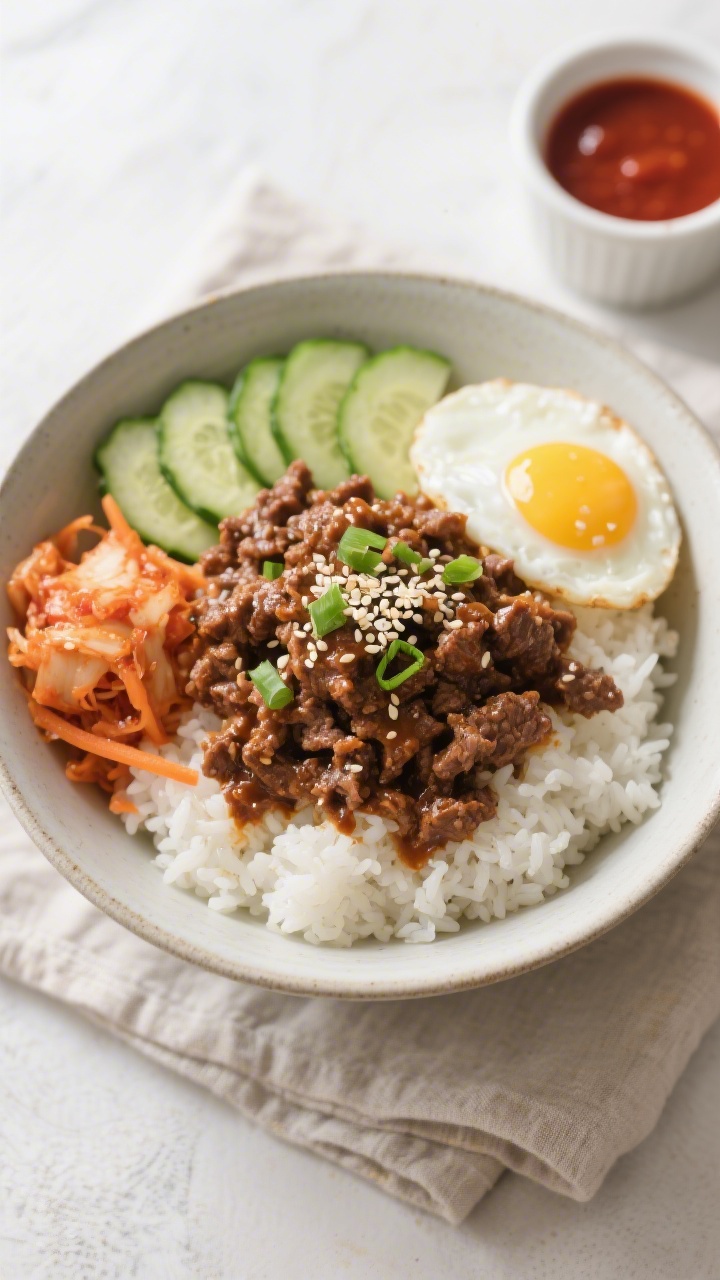
- Cook the rice: Start your rice first so it’s ready when the beef is done. Use a rice cooker, stovetop, or microwave pouches to save time.
- Make the sauce: In a small bowl, whisk soy sauce, brown sugar, gochujang (or red pepper flakes), sesame oil, rice vinegar, and a pinch of black pepper.Taste and adjust sweetness or spice.
- Prep aromatics: Mince the garlic and grate the ginger. Slice the green onions and prep any veggie toppers.
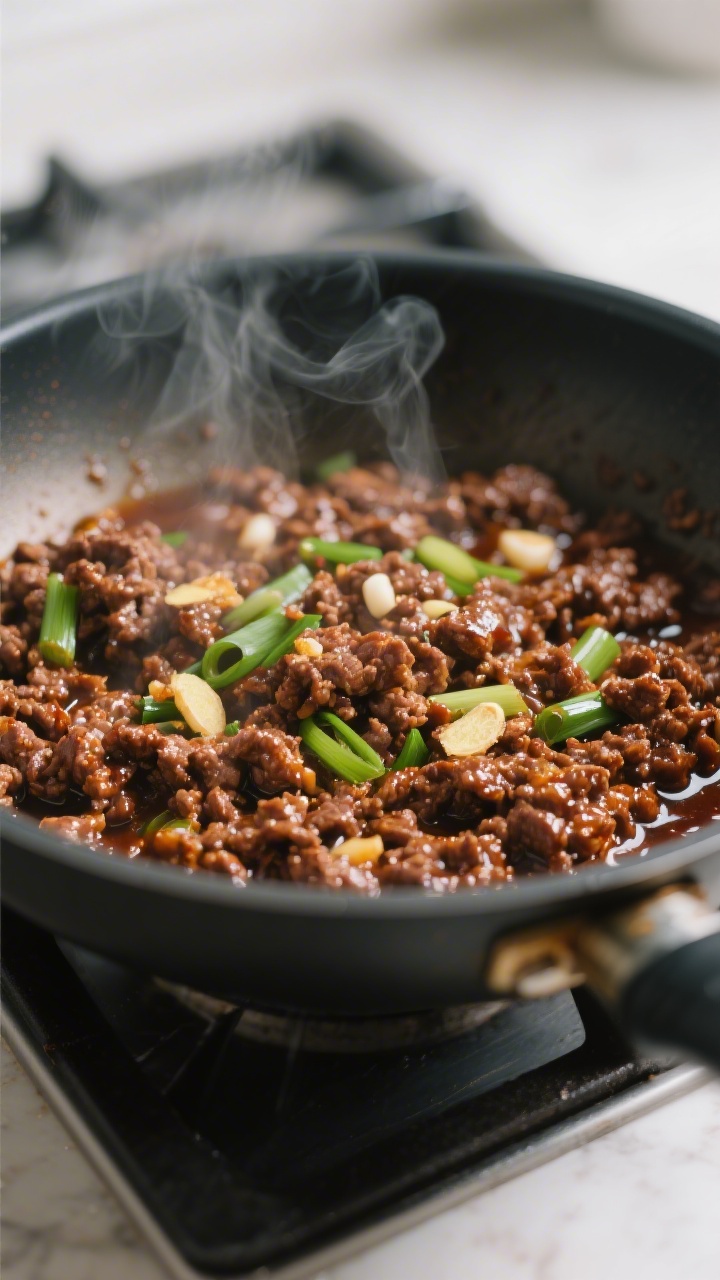
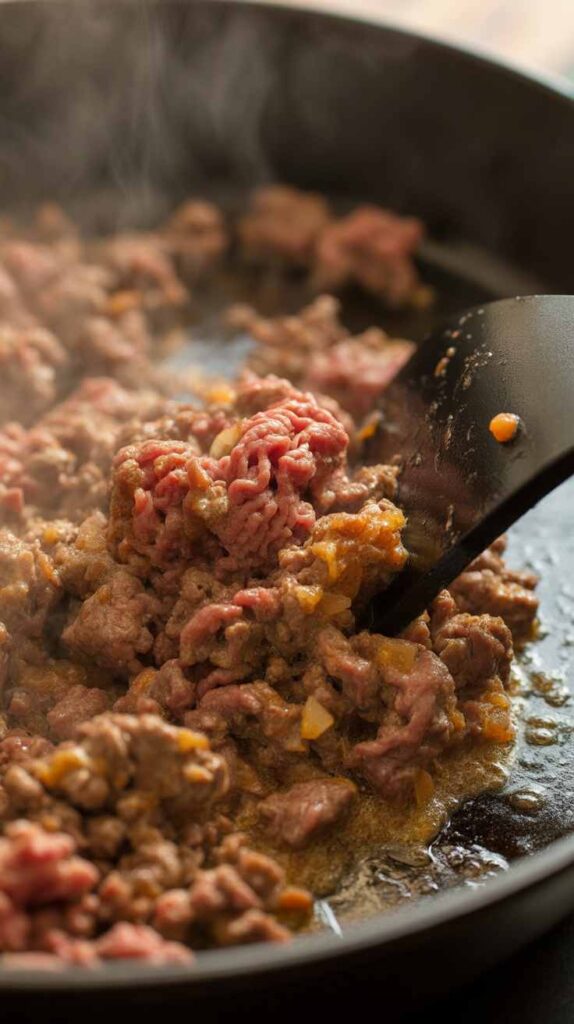
- Brown the beef: Heat oil in a large skillet over medium-high. Add the ground beef, breaking it up with a spatula.Cook until mostly browned, 4–6 minutes. If there’s excess fat, drain it.
- Add aromatics: Stir in garlic and ginger. Cook 30–60 seconds until fragrant, stirring so it doesn’t burn.
- Sauce it up: Pour the sauce over the beef.Stir and simmer 2–3 minutes until slightly thickened and glossy. Stir in half the green onions.
- Assemble bowls: Spoon rice into bowls. Top with the saucy beef, then add veggies.Finish with sesame seeds and remaining green onions.
- Optional extras: A fried or jammy egg on top is fantastic. A drizzle of extra gochujang or sriracha adds heat.
5-Min Greek Yogurt Granola Bowl with Honey
Creamy yogurt layered with crunchy granola, fresh fruit, and golden honey
For the Bowl
- 1 cup Greek yogurt
- 1/2–3/4 cup granola
- 1–2 tbsp honey
- 1/2–1 cup fresh fruit
- 1 tbsp nuts or seeds
- 1/4 tsp cinnamon
- Pinch sea salt
- 1/2 tsp vanilla extract
- Lemon zest (optional)
Instructions
- Stir YogurtMix yogurt until smooth and creamy.Add vanilla if using.
- Add FruitTop yogurt with fresh fruit.Use ripe fruit.
- Add GranolaSprinkle granola evenly.Add just before serving.
- Drizzle HoneyDrizzle honey over the bowl.Adjust sweetness.
- Add ExtrasAdd nuts, seeds, salt, and zest.Enhances flavor.
- ServeServe immediately.Best fresh.
Tips for the Best Results
- Use plain yogurt for better control of sweetness.
- Add granola just before eating.
- Use ripe fruit for best flavor.
- Add a pinch of salt to balance sweetness.
- Adjust honey to taste.
- Store components separately for meal prep.
- Use crunchy granola for texture.
- Serve immediately.
Storage Instructions
- Refrigerate: Store cooked beef and rice in separate airtight containers for up to 4 days. Keep fresh veggies separate to preserve crunch.
- Reheat: Microwave beef and rice with a splash of water for 60–90 seconds, stirring halfway.Add toppings after reheating.
- Freeze: The beef freezes well for up to 2 months. Thaw overnight in the fridge, then reheat. Freeze rice separately or cook fresh.
Health Benefits
- Balanced macronutrients: You get protein from beef, carbs from rice, and healthy fats from sesame oil, especially when you add veggies for fiber.
- Iron and B vitamins: Beef provides iron, zinc, and B12, which support energy and cognitive function.
- Adjustable sodium and sugar: Using low-sodium soy sauce and moderating the brown sugar keeps this dish lighter without losing flavor.
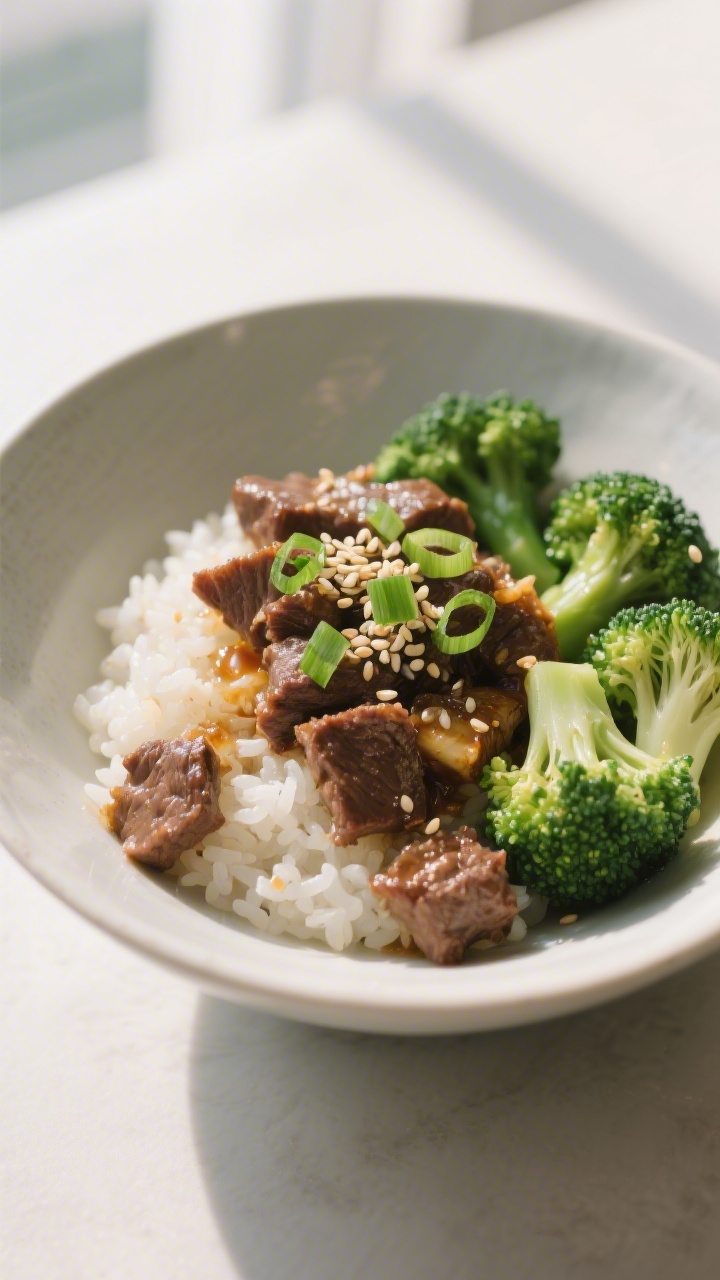
- Veggie power: Add broccoli, cucumbers, carrots, or leafy greens to boost fiber, vitamins A and C, and antioxidants.
Common Mistakes to Avoid
- Overcrowding the pan: If the beef steams instead of browns, you’ll lose that tasty sear.Use a large skillet or cook in batches.
- Skipping fat draining: Excess grease can make the sauce oily. Drain if the pan looks too slick before adding sauce.
- Burning garlic: Add garlic and ginger after browning the beef and cook briefly to avoid a bitter taste.
- Overcooking the sauce: The sugar can reduce quickly and turn syrupy. Simmer just until the beef is glossy and coated.
- Forgetting to taste: Balance is key.Adjust salt, sweetness, and heat at the end to suit your palate.
Recipe Variations
- Ground turkey or chicken: Leaner options that still taste great. Add a splash of extra oil and don’t overcook.
- Low-carb swap: Serve over cauliflower rice or steamed cabbage. Add an avocado fan for extra satiety.
- Vegetarian version: Use crumbled extra-firm tofu or plant-based ground.Press tofu to remove moisture and crisp it before saucing.
- Bulgogi-inspired: Add pear or apple puree (1–2 tablespoons) to the sauce for a fruity sweetness that echoes classic bulgogi.
- Extra veggies: Stir-fry mushrooms, bell peppers, or snap peas with the beef for more texture and nutrients.
- Noodle bowls: Swap rice for cooked soba or udon noodles. Toss noodles in a bit of sauce to coat.
FAQ
Is gochujang necessary?
Gochujang adds a deep, slightly smoky heat and a touch of sweetness that really elevates the dish. If you can’t find it, use red pepper flakes and a small squeeze of ketchup or a teaspoon of miso to mimic some of that savory depth.
What kind of rice works best?
Jasmine or short-grain white rice is classic for a fluffy, slightly sticky base.
Brown rice or mixed grains are great for more fiber. Even microwave rice pouches work fine on busy nights.
Can I make it gluten-free?
Yes. Use gluten-free tamari or coconut aminos instead of soy sauce.
Check that your gochujang is gluten-free or substitute with gluten-free chili paste plus a bit of miso for umami.
How do I make it less sweet?
Start with 1–2 tablespoons of brown sugar and add more only if you want. A splash of rice vinegar or lime juice can brighten the sauce without extra sugar.
What toppings go well?
Try shredded carrots, cucumbers, steamed broccoli, radish, kimchi, thinly sliced cabbage, or a fried egg. A sprinkle of toasted sesame seeds and green onions ties everything together.
Can I double the recipe?
Absolutely.
Brown the beef in two batches so it sears properly, then combine and add the sauce. You can also double the sauce and stash extra in the fridge for quick meals later in the week.
Jump to Recipe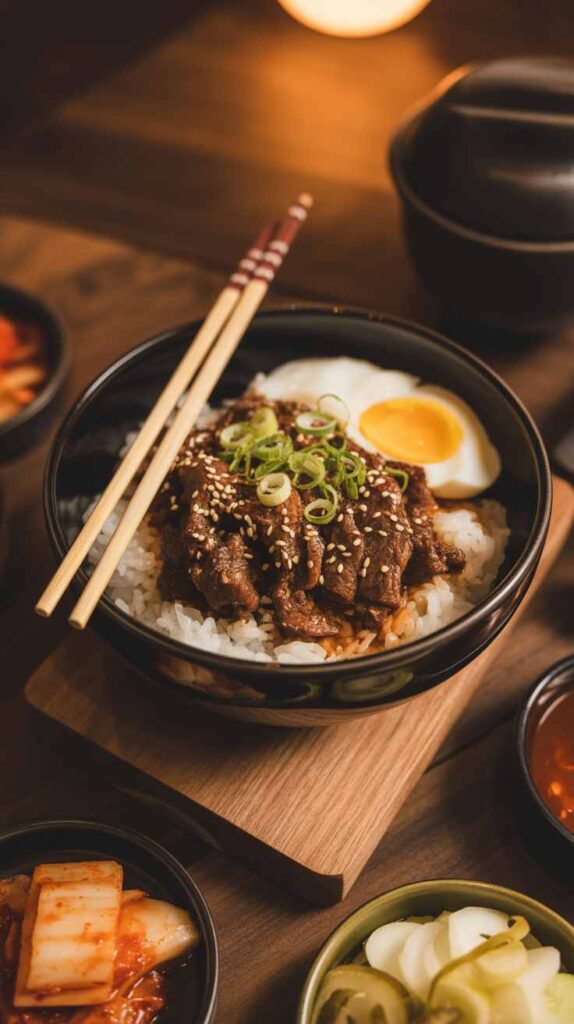
In Conclusion
These Quick Korean Ground Beef Rice Bowls deliver maximum flavor with minimal effort. The savory-sweet sauce, tender beef, and fresh toppings make every bite satisfying, and the whole dish comes together in minutes.
Keep the ingredients on hand and you’ll always have an easy weeknight win. It’s simple, flexible, and sure to land in your regular rotation. Enjoy it your way—mild or spicy, with rice or noodles, and loaded with your favorite veggies.